
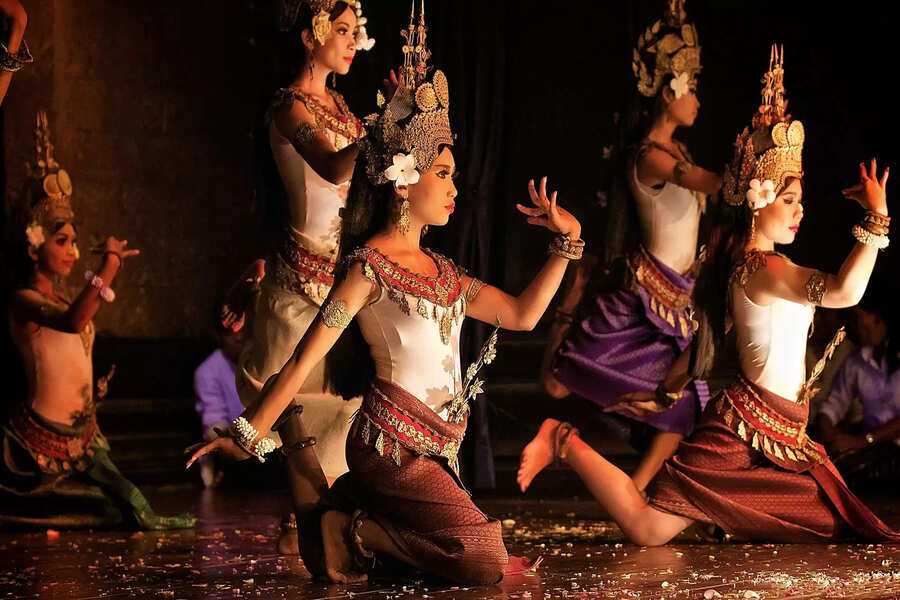
Apsara Dance captivates with ethereal grace, embodying Khmer spirits through intricate gestures that trace back to divine myths and royal courts. This UNESCO-recognized gem blends history, spirituality, and artistry, offering travelers profound cultural immersion.
Delve into the Khmer Apsara dance world, exploring origins, symbolism, and prime viewing spots. Whether seeking Apsara dance history or where to watch Apsara dance Cambodia, this guide to Vietnam and Cambodia tour package illuminates its enduring allure in modern times.
What Defines Apsara Dance? Origins in Myth and Divinity
Apsara Dance draws from ancient lore where apsaras – celestial nymphs of clouds and waters—dance for gods, symbolizing prosperity and harmony.
- Mythical Roots: Hindu epics like Ramayana depict apsaras entertaining Indra; Khmer adaptations infuse local animist beliefs.
- Cultural Essence: Represents fertility and beauty, with dancers channeling heavenly maidens to bless audiences.
- UNESCO Status: Inscribed in 2003 as Royal Ballet of Cambodia, highlighting its role in preserving Khmer identity post-conflicts.
This foundation sets Apsara Dance apart as more than entertainment—a spiritual conduit.
Apsara Dance History: From Angkor Temples to Global Stages
Apsara dance history spans over a millennium, evolving from sacred rituals to revived national symbol.
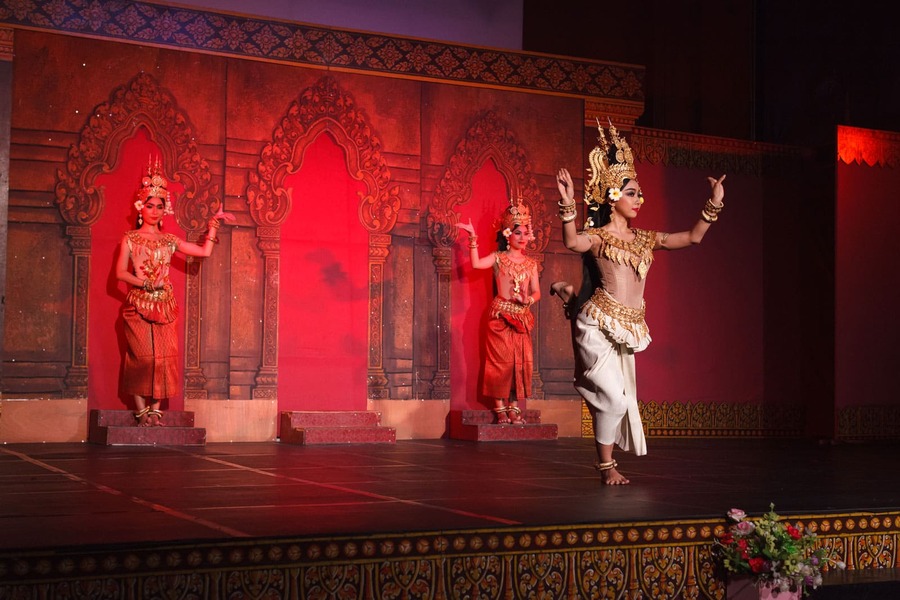
Angkorian Era Flourishing (9th-15th Centuries)
Carvings at Angkor Wat depict over 1,800 apsaras, evidencing court performances for kings like Suryavarman II.
- Royal Patronage: Jayavarman VII employed thousands; dances honored deities during victories.
- Hindu-Buddhist Fusion: Movements mimicked bas-reliefs, transitioning with Theravada influences.
- Decline and Fall: Post-Angkor collapse in 1431 scattered traditions until French colonial documentation.
Revival efforts underscore Apsara dance history’s resilience.
20th Century Rebirth and Modern Adaptations
Queen Sisowath Kossamak reconstructed forms in the 1940s, training survivors of Khmer Rouge era (1975-1979) that decimated 90% of artists.
- Post-War Revival: Princess Buppha Devi led UNESCO efforts; today, schools like Royal University of Fine Arts train youth.
- Global Reach: Performances at international festivals; 2026 digital archives preserve variations.
- Contemporary Twists: Fusion with modern music retains core gestures, appealing to younger generations.
This timeline cements Khmer Apsara dance as a phoenix-like art.
Apsara Dance Movements: Decoding Graceful Symbolism
Apsara dance movements demand precision, with over 1,500 gestures conveying narratives from nature to emotions.
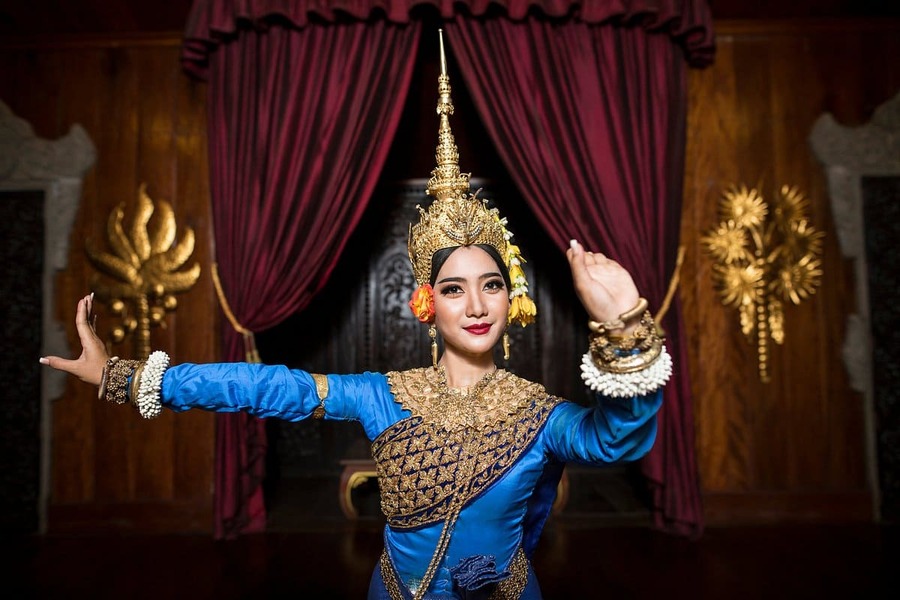
Hand Gestures (Mudras) and Their Meanings
Fingers curve like lotus blooms, each position layered with intent.
- Tree Pose: Upward palm evokes growth; downward signifies roots.
- Naga Serpent: Interlocked thumbs mimic the mythical guardian, protecting Vishnu.
- Life Cycle: Alternating hands represent birth, maturity, illness, death—philosophical depth in fluidity.
Practice requires years; flexibility from yoga-like stretches ensures ethereal flow.
Footwork and Body Postures
Dancers glide on bent knees, heels raised to simulate floating.
- Slow Tempo: Synchronized with pinpeat orchestra; accents on cymbals guide turns.
- Facial Expressions: Smiles convey joy; tilted heads suggest coyness or reverence.
- Group Dynamics: Soloists lead choruses, mimicking heavenly assemblies in Indra’s court.
These elements make Apsara dance movements a language of subtlety and strength.
Apsara Dance Costumes: Ornate Symbols of Royalty and Nature
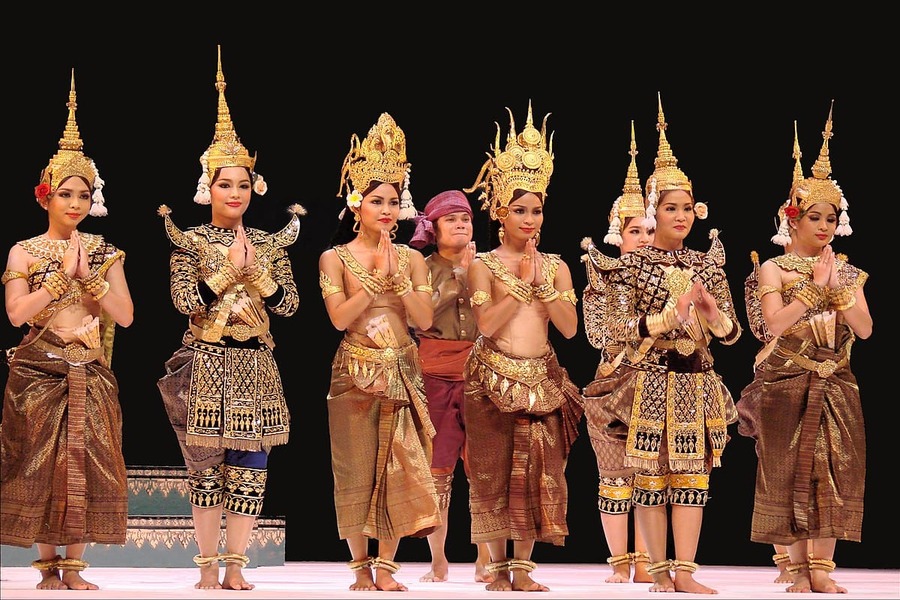
Apsara dance costumes gleam with gold-threaded silk, evoking divine opulence and Khmer motifs.
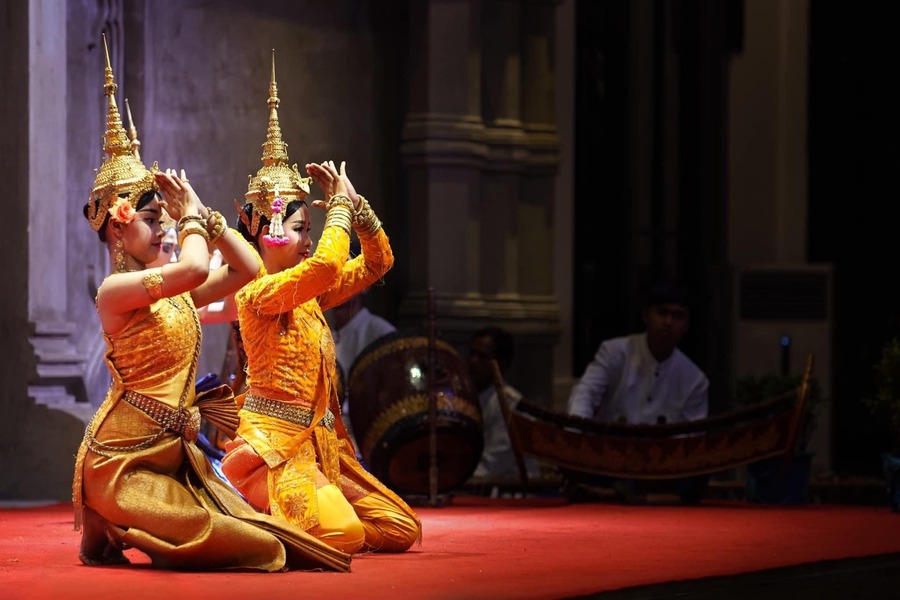
Key Elements and Craftsmanship
Sampot skirts drape tightly, topped with sabang chest coverings.
- Headdresses (Mkota): Tiered crowns with floral motifs; fresh jasmine adds fragrance.
- Jewelry: Gilded collars and anklets jingle softly, accentuating wrist flicks.
- Colors and Fabrics: Gold for prosperity; red for vitality—hand-embroidered by artisans in Siem Reap villages.
Fabrics weigh up to 5kg, yet dancers move weightlessly, blending burden with beauty.
Symbolic Details
- Lotus Buds: Finger extensions mimic blooms, tying to purity in Buddhist iconography.
- Modern Sustainability: 2026 shifts use eco-dyes, preserving traditions ethically.
Costumes transform performers into living sculptures, echoing temple carvings.
Where to Watch Apsara Dance Cambodia: Prime Venues and Experiences
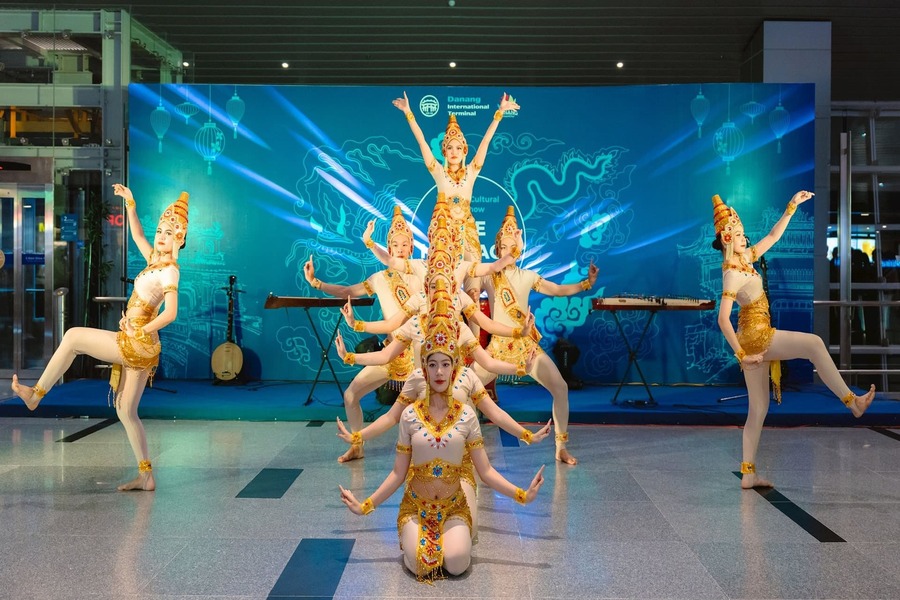
Where to watch Apsara dance Cambodia ranges from intimate dinners to grand theaters, blending show with cuisine.
Siem Reap: The Epicenter of Performances
Angkor’s gateway hosts nightly shows.
- Apsara Theatre: State-of-the-art venue; 7 PM buffets with 5-6 dances ($15-30).
- Temple Restaurants: Amazon Angkor or Koulen II offer air-conditioned elegance; reserve front rows.
- Cultural Villages: Cambodian Cultural Village reenacts folklore; daytime demos for families.
Peak season (Nov-Feb) demands bookings; off-peak yields intimate crowds.
Phnom Penh and Beyond
National Museum hosts occasional royals; Chaktomuk Conference Hall for festivals.
- Porch Restaurant: Rooftop views with seafood pairings.
- Provincial Spots: Battambang’s bamboo train tours end in local troupe shows.
- Island Extensions: Koh Rong eco-resorts feature adapted beach versions.
For authenticity, align with events like Khmer New Year.
Learning and Experiencing Khmer Apsara Dance Today
Khmer Apsara dance schools welcome enthusiasts, fostering preservation.
Training Opportunities
Royal University workshops teach basics in hours.
- Beginner Classes: $20 sessions focus on mudras; no experience needed.
- Intensive Courses: Week-long immersions in Phnom Penh explore history.
- Community Impact: Programs empower women, reviving post-genocide gaps.
Virtual classes via apps extend access globally in 2026.
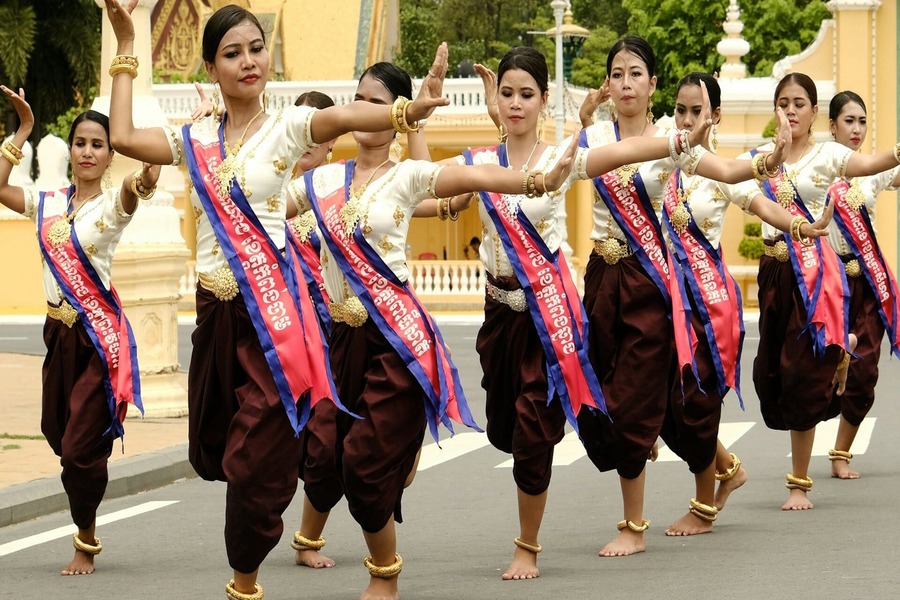
Festivals and Events
- Angkor Wat Equinox: Aligns dances with solstices; free public access.
- International Tours: Troupes perform in Paris or New York, spreading UNESCO Apsara dance heritage.
Participation deepens appreciation beyond spectatorship.
The Cultural Significance of Apsara Dance in Modern Cambodia
Apsara Dance transcends performance, embodying national healing and identity.
Social and Spiritual Roles
- Weddings and Rituals: Blessings invoke prosperity; adapted for tourism yet sacred.
- Gender Empowerment: Female-led troupes challenge norms; 300+ professionals thrive.
- Economic Boost: Generates $10M annually in Siem Reap, supporting artisans.
In education, schools integrate it for youth pride.
Challenges and Preservation Efforts
Climate threats to costumes spur innovations; UNESCO funds digitization.
- Digital Archives: VR experiences simulate Angkor eras.
- Global Advocacy: Collaborations with Thai Lakhon ensure regional harmony.
- Future Outlook: 2026 initiatives include male apsara roles for inclusivity.
This vitality ensures Apsara’s legacy endures.
Frequently Asked Questions About Apsara Dance
What Is the Origin of Apsara Dance History?
Apsara dance history roots in 1st-century Hindu influences, peaking in Angkor courts.
How Many Movements Are in Khmer Apsara Dance?
Khmer Apsara dance features over 1,500 gestures, each symbolic.
Where to Watch Apsara Dance Cambodia Evenings?
Where to watch Apsara dance Cambodia: Siem Reap theaters like Apsara Terrace for dinner shows.
What Do Apsara Dance Costumes Symbolize?
Apsara dance costumes represent divinity with gold and florals.
Apsara Dance enchants as Cambodia’s soulful expression, from intricate movements to ornate costumes— a bridge between myths and modernity. Explore Apsara dance history through performances, honor UNESCO Apsara dance heritage, and let its grace inspire journeys into Khmer profundity.
0 Comment