
Planning a Vietnam trip but tired of the same old tourist route? You’re not alone. While Ha Long Bay and Ho Chi Minh City attract millions annually, Vietnam’s true magic lies in its lesser-known regions where authentic culture thrives and breathtaking landscapes remain untouched by mass tourism. This comprehensive guide explores Vietnam’s hidden gems and reveals why working with vietnam local tour operators can transform your entire travel experience into something genuinely unforgettable.
Why Vietnam’s Hidden Destinations Matter More Than You Think
Vietnam has transformed into one of Southeast Asia’s most sought-after destinations, yet most international travelers follow nearly identical itineraries. The problem? You’ll miss out on the soul of this incredible country. Hidden Vietnam travel destinations offer what no mainstream guidebook advertises: genuine interactions with local communities, unspoiled natural wonders, and experiences that money can’t typically buy once they become famous. Discovering hidden Vietnam travel destinations provides opportunities for authentic engagement impossible in commercialized tourism zones.
International travelers who venture beyond conventional routes discover a Vietnam that conventional tourism hasn’t commercialized. From mountain villages where traditional crafts remain integral to daily life, to remote beaches where your footprints might be the first of the day, these hidden Vietnam travel destinations challenge your perspective and create memories that last lifetimes.
The key to accessing these experiences? Partnering with knowledgeable guides who understand these regions intimately. This is where local expertise becomes invaluable, and why many savvy travelers specifically seek out recommendations from experienced tourism professionals familiar with hidden Vietnam travel destinations and off-the-beaten-path itineraries.
Sa Pa: Mountain Culture Beyond the Tourist Center
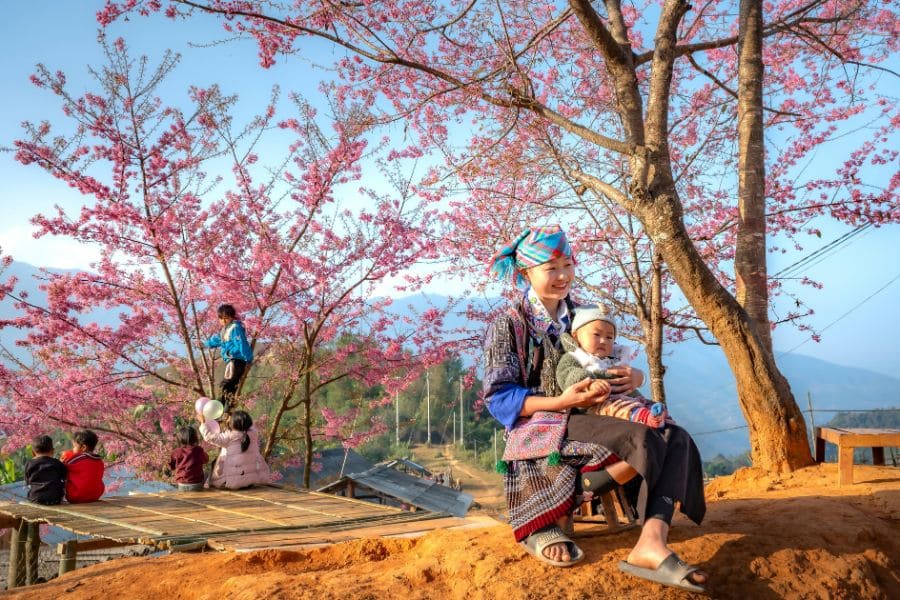
Sa Pa, nestled in Vietnam’s northwest mountains, represents one of the country’s most stunning hidden destinations. While the town itself has developed tourism infrastructure, the surrounding valleys and minority villages remain remarkably authentic. Trekking through terraced rice paddies that cascade down mountainsides, you’ll encounter H’Mong, Dao, and Tay communities living much as their ancestors did centuries ago.
The magic of Sa Pa unfolds during early morning walks through local markets. Before organized tourism crowds arrive, elderly minority women display handwoven textiles, local herbs, and produce grown on impossible mountain slopes. You’ll see genuine commerce happening-locals buying and selling with each other-rather than performances staged for cameras.
Beyond markets, Sa Pa’s true appeal emerges through homestays in minority villages. Staying overnight in traditional stilt houses, sharing meals prepared from ingredients picked that morning, and participating in daily activities connects you to ways of life that UNESCO recognizes as intangible cultural heritage. These experiences transform tourism from passive observation into active cultural exchange.
Visiting Sa Pa requires thoughtful planning. The region experiences significant temperature fluctuations, roads can be challenging during monsoon season, and language barriers exist in smaller villages. This is precisely why engaging vietnam local tour operators who possess detailed knowledge of seasonal conditions and established relationships with village communities becomes essential for safe, respectful, and genuinely meaningful experiences.
Mu Cang Chai: Vietnam’s Most Photogenic Rice Terraces
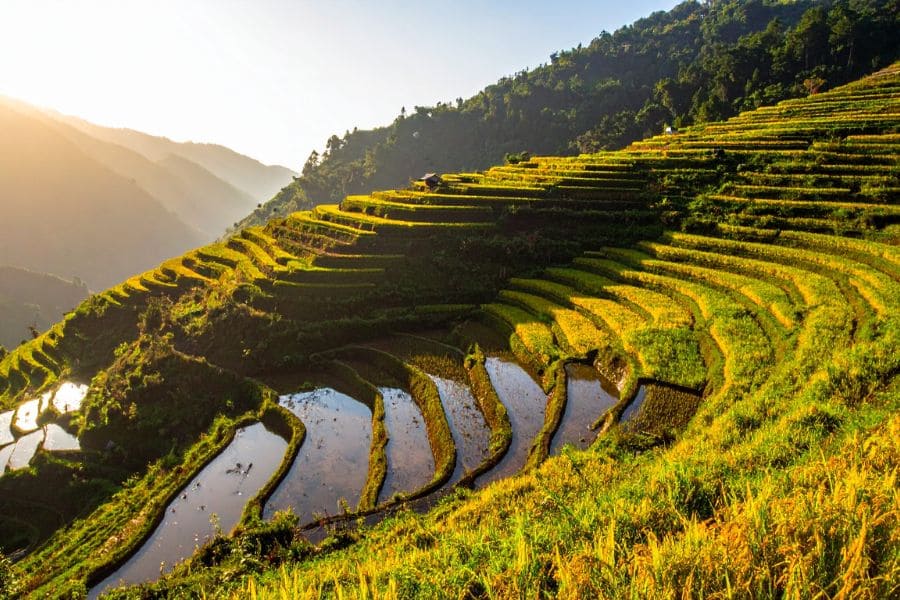
If you’ve scrolled through Vietnam travel photos and gasped at images of impossibly beautiful rice terraces cascading down entire mountainsides, you’ve likely been looking at Mu Cang Chai. Despite Instagram’s best efforts to popularize it, this remote district in Yen Bai Province remains surprisingly underdeveloped compared to Sa Pa.
Mu Cang Chai’s terraces represent the most extensive rice terrace system in Vietnam. Local H’Mong and Thai communities carved these agricultural artworks into steep mountainsides over generations, creating a landscape that shifts dramatically with seasons. Golden rice paddies transform to bright green shoots, reflecting water creates mirror-like surfaces, and morning mist weaves through valleys in ways that challenge photography’s ability to capture reality.
The district remains largely undeveloped for tourism, which means accommodation options are limited and public transportation is minimal. You’ll find basic guesthouses, simple restaurants, and minimal English-language support. For international travelers accustomed to western amenities, these conditions might feel daunting. However, this “inconvenience” is precisely why Mu Cang Chai hasn’t been overwhelmed by mass tourism.
The best experiences here involve staying multiple days, trekking between villages, and allowing yourself to move at the pace of the landscape rather than according to tour schedules. Local guides understand which villages welcome visitors, optimal times for photography, and how to navigate relationships with community members respectfully. Their insights transform casual sightseeing into genuine cultural understanding.
Con Dao Islands: Vietnam’s Secret Tropical Paradise
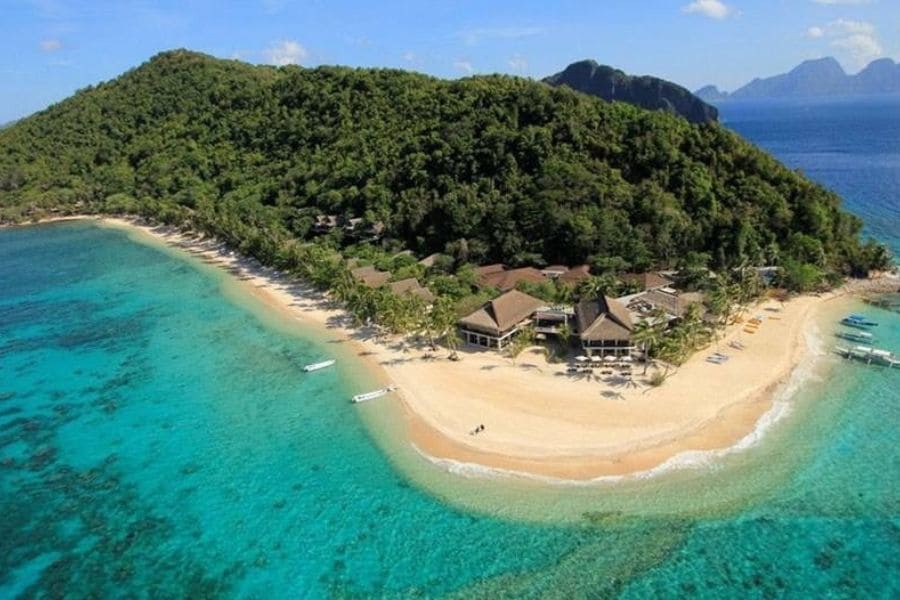
While Phu Quoc dominates Vietnam’s island tourism narrative, Con Dao remains refreshingly quiet. This archipelago off the southern coast was historically a French prison island-a dark chapter that the Con Dao Museum preserves respectfully. Today, the islands attract discerning travelers seeking pristine beaches, excellent diving, and island life without the party atmosphere elsewhere.
Con Dao’s beaches feature powder-soft sand, crystalline water, and coral reefs thriving with marine life. Diving conditions rival Thailand’s famous sites, yet you’ll encounter a fraction of the crowds. Snorkeling reveals colorful fish, sea turtles, and coral formations in waters so clear you’ll question whether you’re actually underwater or simply looking through glass.
The islands’ small population means limited restaurant options, minimal nightlife, and few chain accommodations-but this absence is exactly what makes Con Dao special. You’ll dine on fresh seafood at family-run establishments, interact with locals who genuinely welcome visitors rather than seeing them as transaction opportunities, and experience island life as it actually exists rather than as tourism manufactures it.
Getting to Con Dao requires ferry travel from Vung Tau, creating natural barriers that deter casual tourists. The journey itself-watching Vietnam’s coastline recede as you approach the open sea-marks a transition from conventional tourism into genuine adventure. Those willing to undertake this journey discover an island destination that honors both natural environment and human history in ways that more developed destinations often sacrifice.
Mekong Delta Floating Villages: Beyond the Commodity Tourism
The Mekong Delta generates extensive tourism interest because it genuinely represents Vietnam differently than northern mountains. However, most organized tours follow identical routes, visiting identical villages, creating identical floating-market experiences that have become almost theatrical in their predictability.
Authentic Mekong experiences exist for travelers willing to venture beyond popular circuits. Instead of crowded floating markets, explore less-visited canals where locals still conduct daily commerce, children attend riverside schools, and fishermen use traditional methods unchanged for decades. These waterways lack Instagram credentials but overflow with authenticity.
Some of Vietnam’s most engaging tourism professionals specialize in customized Mekong experiences, arranging homestays in genuine local households rather than tourism-oriented ones, scheduling visits during actual daily activities rather than around tour groups, and facilitating interactions that feel reciprocal rather than performative. They understand that sustainable tourism requires protecting communities from commodification while still enabling meaningful visitor experiences.
The Mekong Delta’s environmental challenges-climate change, rising sea levels, agricultural pressures-add urgency to visiting soon. Seeing how communities adapt, hearing firsthand accounts of changing seasons, and understanding environmental management from local perspectives provides context that guidebooks cannot deliver. Supporting local economy through direct engagement with residents strengthens communities’ ability to preserve their way of life.
Phong Nha-Ke Bang National Park: Limestone Wilderness Adventure
Central Vietnam’s Phong Nha-Ke Bang National Park showcases geological wonders rivaling more famous Southeast Asian sites. Massive limestone karsts rise vertically from dense jungle, underground rivers carve through caves, and pristine jungle harbors species found nowhere else on Earth. The park attracts increasing numbers of international travelers, yet remains magnificently underdeveloped compared to Thailand’s Phang Nga Bay.
Cave exploration represents the primary draw. Son Doong Cave, believed to be the world’s largest by volume, offers expedition experiences that combine adventure with genuine discovery. Hang En Cave features underground rivers and jungles inaccessible without specialized guides. Smaller caves accessible through boat tours provide stunning geology without expedition requirements.
Beyond caves, the park’s jungle trekking reveals wildlife and natural beauty that most Vietnam visitors never witness. Spotting hornbills, ancient monkeys, and rare plants requires patience and silence, but patient trekkers are regularly rewarded. The jungle canopy creates an entirely different atmosphere-humid, alive with sounds, and spatially disorienting in ways that intensify your physical presence.
Visiting Sa Pa effectively requires experienced guides. Cave conditions vary dramatically, rock scrambling demands physical capability, and navigating jungle trails without local knowledge invites getting lost. Professional guides understand the park’s geography intimately, know which areas sustain ecological damage from excessive tourism and which can accommodate visitor presence, and can explain geological and biological significance that transforms scenery into understanding. Understanding the value of hidden Vietnam travel destinations guidance ensures safe, meaningful experiences.
Pu Luong Nature Reserve: Trekking Through Authentic Limestone Landscape
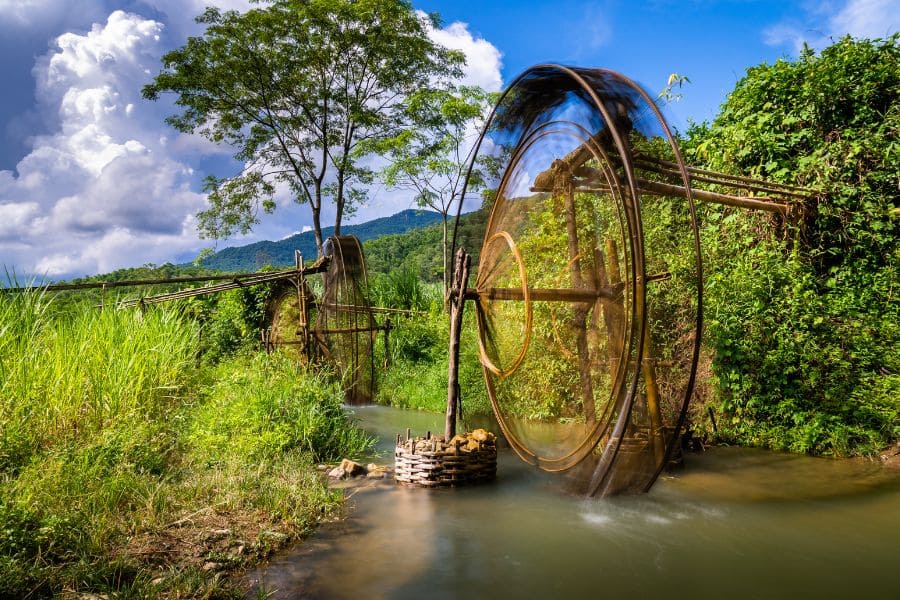
North-central Vietnam’s Pu Luong Nature Reserve remains relatively unknown to international tourists despite offering outstanding natural beauty and cultural experiences. This protected area covers diverse limestone karst landscape populated by Thai and H’Mong minorities maintaining traditional agricultural and cultural practices.
Trekking through Pu Luong immerses you in ecosystems recovering from war-era destruction. Secondary growth forests are creating habitat for returning wildlife. Natural springs create stunning waterfalls. Rice paddies maintain contours adapted to steep terrain across centuries. The landscape reads as a testament to nature’s resilience and human-environment relationships that predate modern development models.
Homestays in minority villages form the experience’s heart. Rather than staying in guesthouses, visitors remain with families who continue their normal routines. Children attend school, adults work fields or pursue crafts, meals feature ingredients available locally that morning. This immersion-eating family meals, helping with simple tasks, learning about daily concerns-creates relationships impossible through conventional tourism.
The reserve’s remote location means limited English-language capacity and minimal tourism infrastructure. International travelers need guides who bridge communication gaps, understand cultural protocols, and can explain ecological significance. These practical needs align with supporting the local economy-guides and homestay operators represent primary tourism beneficiaries.
Ha Giang Loop: Motorcycle Adventure Through Ethnic Heartland
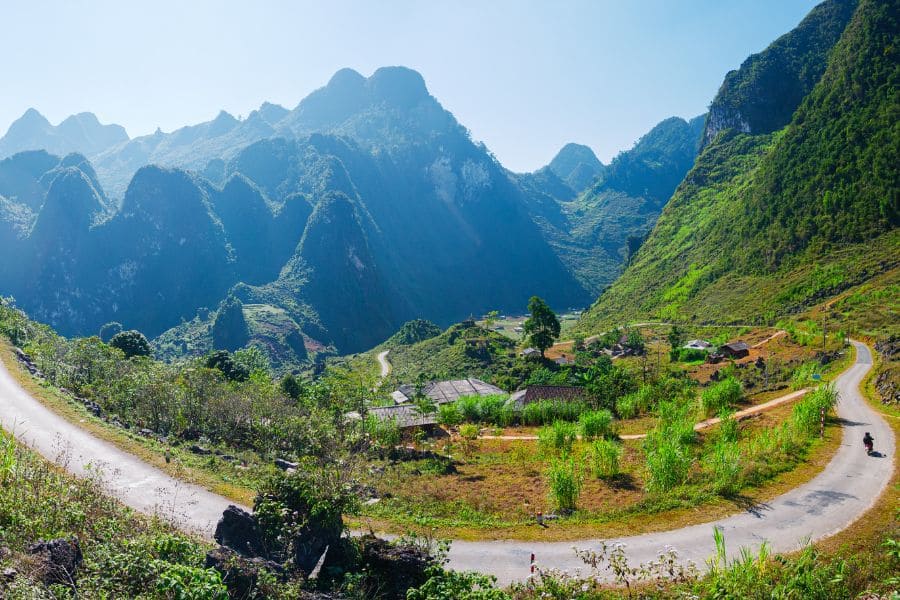
Northeast Vietnam’s Ha Giang Province, bordering China, remains Vietnam’s least visited destination. The famous Ha Giang Loop-a multi-day motorcycle ride through mountain terrain-attracts adventure-focused travelers but remains unknown to mainstream tourism.
The loop winds through Dong Van karst plateau, passes through numerous minority villages (H’Mong, Tay, Nung communities), and offers views across seemingly endless mountain ranges. The route includes challenging sections with narrow roads, significant elevation changes, and minimal safety barriers. These characteristics deter casual tourists but attract experienced travelers seeking authentic adventure.
Motorcycles allow experiences impossible via buses or cars. You move at speeds enabling genuine observation-noticing architecture details, hearing ambient sounds, smelling regional differences. Stop whenever something interests you. Visit villages without schedule pressure. Interact with locals encountered organically rather than through structured tourism protocols.
The loop’s authenticity depends partly on its difficulty. Communities haven’t oriented themselves entirely toward tourism because infrastructure limitations prevent this. Markets serve locals primarily. Restaurants cater to Vietnamese travelers, not international tourists. Accommodation remains basic. This “underdevelopment” preserves cultural integrity in ways that might disappear if infrastructure suddenly improved.
Safety becomes a genuine consideration. Mountain roads demand mechanical competence, weather changes rapidly, emergency services are distant, and communication options are limited. Attempting the loop without proper preparation, mechanical knowledge, and contingency planning invites genuine danger rather than merely discomfort. This reality is why experienced guides-individuals who’ve completed the loop countless times and understand its genuine hazards-provide enormous value.
Cao Bang and Ba Be Lake: Water and Limestone Beauty
Vietnam’s northeastern region, near the Chinese border, harbors landscapes of stunning beauty that few international travelers discover. Cao Bang and Ba Be Lake region combine waterfalls, limestone caves, and pristine forest in ways that reward the effort required to access them.
Ban Gioc Waterfall marks the Vietnam-China border, creating a naturally dramatic location where international boundaries meet wilderness. During wet season, water thunders across limestone cliffs in powerful displays. During dry season, multiple channels cascade down moss-covered rock faces. The setting remains relatively untouristed partly because reaching it requires navigation through remote terrain.
Ba Be Lake, Vietnam’s largest freshwater lake, sits in limestone karst landscape creating stunning visual drama. The lake’s ecosystem remains relatively pristine because population centers are distant and accessibility is limited. Boat tours explore limestone karsts jutting directly from water, visit minority villages, and pass through ecosystems recovering from past disturbance.
The region’s appeal intensifies for travelers willing to spend multiple days allowing landscape appreciation to unfold gradually. Rather than treating these locations as checkmarks on tourism lists, extended stays enable genuine observation. You notice how light changes landscape appearance throughout the day. You understand seasonal variations. You develop relationships with guides and local hosts beyond transactional interactions.
Practical Considerations for Off-the-Beaten-Path Travel
Successfully navigating Vietnam’s hidden destinations requires thoughtful preparation distinguishing between romanticized adventure and realistic planning. Physical capability matters-mountain trekking, cave exploration, and motorcycle touring demand varying fitness levels and technical skills. Climate considerations are serious-monsoon seasons make certain areas genuinely dangerous, temperatures extremes challenge unprepared travelers, and altitude affects some individuals significantly.
Language barriers are real. English proficiency decreases dramatically outside major tourist centers. Translation apps help but cannot facilitate genuine communication or handle emergency situations effectively. Written signage is minimal or nonexistent in village areas. Navigation without signage requires competent guides.
Time requirements differ from mainstream tourism. Reaching remote destinations often consumes hours of travel. Lodging comfort levels require adjustment expectations. Restaurant menus may not feature English translation. These aren’t problems to overcome but characteristics of the experience-they’re partly why these places remain authentic.
Safety considerations extend beyond adventure activities. Sudden medical emergencies, motorized vehicle accidents, environmental exposure, and other realistic risks increase in remote areas where immediate professional assistance is unavailable. Travel insurance becomes genuinely important rather than merely recommended. Having guides who understand local health resources, can navigate emergency protocols, and possess basic first aid knowledge significantly improves safety.
The Importance of Responsible Tourism in Hidden Destinations
Discovering Vietnam’s hidden destinations carries an important responsibility: protecting them. Tourism inevitably creates impacts-environmental damage from foot traffic, cultural changes from outside influence, economic shifts from visitor spending. Recognizing these realities enables making choices that minimize harm while still enabling meaningful experiences.
This is where tourism professional expertise becomes invaluable. Experienced guides understand community capacity for visitor presence, optimal group sizes for different activities, seasonal patterns protecting ecological function, and protocols respecting cultural practices. They balance visitor desires against community wellbeing. They educate visitors about responsible behavior. They ensure tourism benefits communities materially without destroying the qualities that make destinations worth visiting.
Supporting local economies directly rather than through international tourism companies channels benefits toward communities themselves. Hiring local guides, staying in locally-operated accommodations, dining at family restaurants, and purchasing crafts directly from makers strengthens economic resilience. This creates incentives for communities to maintain cultural practices and protect natural environments-tourism becomes a reason to preserve rather than a force for change.
Planning Your Off-the-Beaten-Path Vietnam Adventure
Successfully executing a hidden destination Vietnam itinerary requires different preparation than mainstream tourism. Booking your own transportation, arranging your own accommodations, and navigating without guides invites significant stress and reduces experience quality. Conversely, researching thoroughly beforehand enables making informed decisions about which professionals can genuinely facilitate quality experiences.
Identifying trustworthy guides and tourism operators becomes crucial. Look for individuals with deep local knowledge, environmental consciousness, and genuine relationships with communities they guide. Professionals who can explain why certain activities align with responsible tourism, who adjust itineraries based on community wellbeing rather than customer preference, and who maintain long-term community relationships demonstrate commitment extending beyond profit maximization.
Many excellent tourism professionals specialize in exactly these experiences. Their expertise-knowing which communities welcome visitors, understanding seasonal variations affecting different destinations, maintaining the relationships necessary for authentic interactions-transforms chaotic adventure into curated experience. They handle logistics you’d struggle with independently, navigate language barriers preventing direct communication, and ensure safety protocols appropriate to activities undertaken.
Conclusion: Discovering Vietnam Beyond the Postcard
Vietnam’s most rewarding experiences await outside mainstream tourism circuits. Hidden Vietnam travel destinations offer authentic cultural encounters, pristine natural beauty, and personal growth that conventional tourism often sanitizes away. Sa Pa’s mountain minorities, Mu Cang Chai’s terraces, Con Dao’s island tranquility, Mekong Delta’s waterways, Phong Nha-Ke Bang’s geological wonders, Pu Luong’s nature reserves, Ha Giang’s mountain adventure, and Cao Bang’s limestone beauty collectively represent hidden Vietnam travel destinations in their most genuine, unvarnished form.
Accessing these experiences effectively means engaging professionals who possess the local knowledge, community relationships, and logistical expertise that independent travelers lack. Whether you’re trekking mountain terrain, exploring underground rivers, motorcycling through remote provinces, or staying with local families, expert guidance transforms tourism from disorienting challenge into meaningful adventure.
Vietnam awaits. Beyond the postcards, past the conventional itineraries, deeper than the guidebook recommendations lies a country that’s still discovering itself. Those willing to venture off established paths discover not just beautiful landscapes and authentic culture, but aspects of themselves they didn’t know existed. That’s the real treasure hidden destinations offer-and it’s worth every bit of effort required to find it.
0 Comment