
Travel should be accessible to everyone, yet travelers with mobility limitations often assume Southeast Asia-and Vietnam specifically-presents insurmountable barriers. This assumption is understandable but incomplete. While Vietnam’s infrastructure differs from developed nations, significant opportunities exist for accessible travel with proper planning, appropriate accommodations, and experienced guides. This guide explores how travelers with mobility limitations can experience Vietnam meaningfully, identifies genuinely accessible destinations and activities, and explains why partnering with vietnam local tour operators specializing in accessible travel transforms what seems impossible into achievable adventure.
Understanding Vietnam’s Accessibility Reality
Vietnam presents genuine challenges for travelers with mobility limitations. Sidewalks are often uneven or absent. Curbs rarely have ramps. Accessible bathrooms are limited. Elevators are less common than stairs. However, characterizing Vietnam as entirely inaccessible ignores growing accessibility awareness and specific destinations offering meaningful accommodation options.
Major hotels in Hanoi, Ho Chi Minh City, and Da Nang increasingly provide accessible rooms, elevators, and bathroom facilities. Restaurants adapt to mobility needs. Transportation options include adapted vehicles. While these accommodations remain rarer than in developed nations, they’re expanding.
The key involves realistic expectations, appropriate destination selection, proper advance planning, and engagement with operators understanding accessibility specifically. Travelers with mobility limitations can experience Vietnam authentically-differently than able-bodied travelers, but meaningfully and profoundly.
Assessing Your Specific Needs
Accessibility varies by limitation type. Wheelchair users require different accommodations than travelers with limited walking capacity or chronic fatigue. Those with visual impairments need distinct support than those with hearing loss. Developing detailed understanding of your specific needs enables matching destinations and services appropriately.
Mobility Categories and Considerations
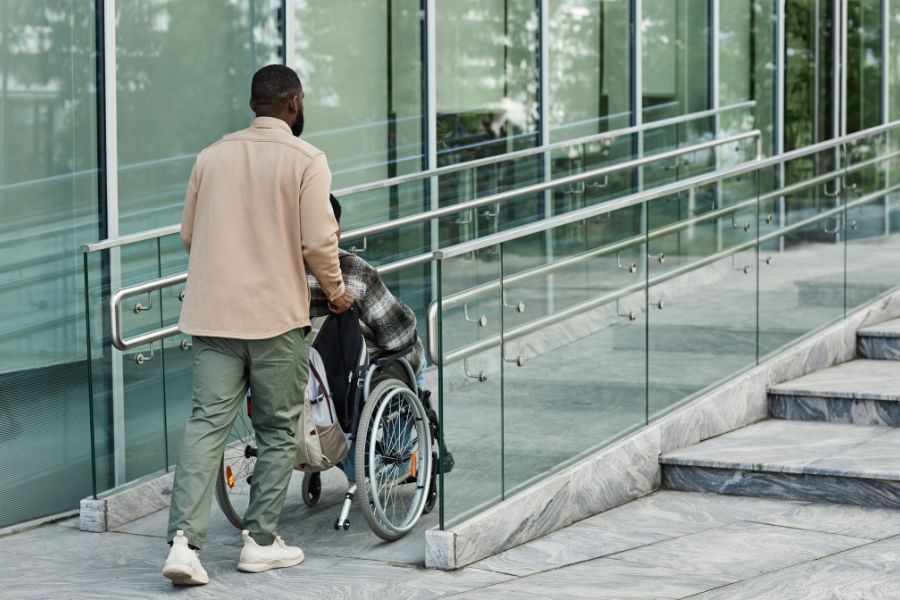
Wheelchair users require accessible routes, appropriate bathroom facilities, accessible transportation, and staff assistance capabilities. Most of Vietnam’s attractions involve stairs, uneven ground, or lack wheelchair-appropriate access. However, specific sites-certain museums, temples with accessible entrances, modern hotels-accommodate wheelchairs.
Travelers with limited walking capacity benefit from sites not requiring extensive ambulation. Boat tours minimize walking. Hotels with elevators eliminate stairs. Taxis and private drivers eliminate transportation stress. Museums with accessible entrances and seating enable cultural engagement without mobility demands.
Those with chronic fatigue or pain require frequent rest, temperature control, and activity flexibility. Vietnam’s heat can intensify these conditions. Climate-controlled accommodation becomes essential. Flexible itineraries enabling rest days are crucial.
Blind and low-vision travelers navigate challenges but find accessible elements. Vietnam’s dense pedestrian areas, while visually chaotic, enable navigation with guides. Temples provide spiritual experiences through touch, sound, and smell. Markets engage senses beyond vision.
Deaf and hard-of-hearing travelers face communication challenges but find increasing visual communication support. Written guides supplement verbal information. Hiring guides specializing in communication with deaf travelers enables access.
Detailed self-assessment of needs informs appropriate planning.
Genuinely Accessible Destinations in Vietnam
Ho Chi Minh City: Urban Accessibility
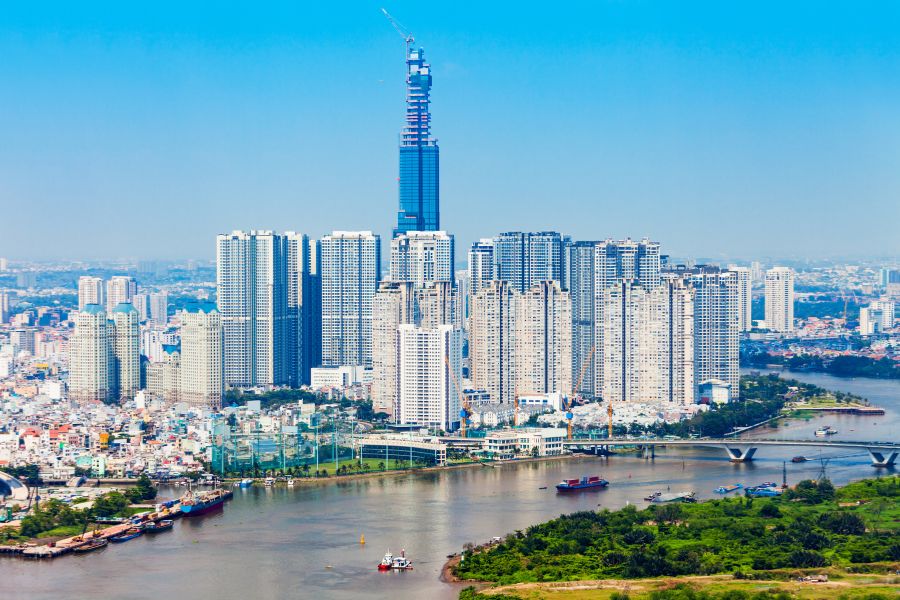
Vietnam’s largest city offers the greatest accessibility infrastructure. The War Remnants Museum has elevator access, accessible bathrooms, and seating throughout. The Reunification Palace offers guided tours adaptable to mobility limitations. The Saigon River offers boat tours avoiding extensive walking.
Ben Thanh Market, chaotic and overwhelming for many visitors, presents accessibility challenges (stairs, crowds, narrow passages). However, the surrounding areas offer accessible restaurants, modern hotels, and transportation options.
Ho Chi Minh City’s modern hotel infrastructure-elevators, accessible bathrooms, room service-enables comfortable accommodation. Shopping malls offer climate-controlled, wheelchair-accessible environments. Medical facilities are reliable if healthcare emergencies arise.
Hanoi: Capital City Advantages
Vietnam’s capital offers accessibility despite historic infrastructure challenges. Hoan Kiem Lake’s surrounding area is relatively pedestrian-friendly with managed walking paths. The Temple of Literature has limited stairs and offers guided tours adaptable to mobility needs. The Ho Tay (West Lake) area provides accessible walking and cycling paths.
Museums-including the Museum of Ethnology and National History Museum-offer elevator access and accessible displays. Many temples have accessible entrances and adapt tours to mobility limitations with advance notice.
Hanoi’s hotel accessibility surpasses provincial cities. Modern hotels provide comprehensive accessible facilities. Staff generally accommodate special requests graciously. However, navigating beyond hotel areas presents challenges requiring guides’ assistance.
Da Nang: Coastal Accessibility
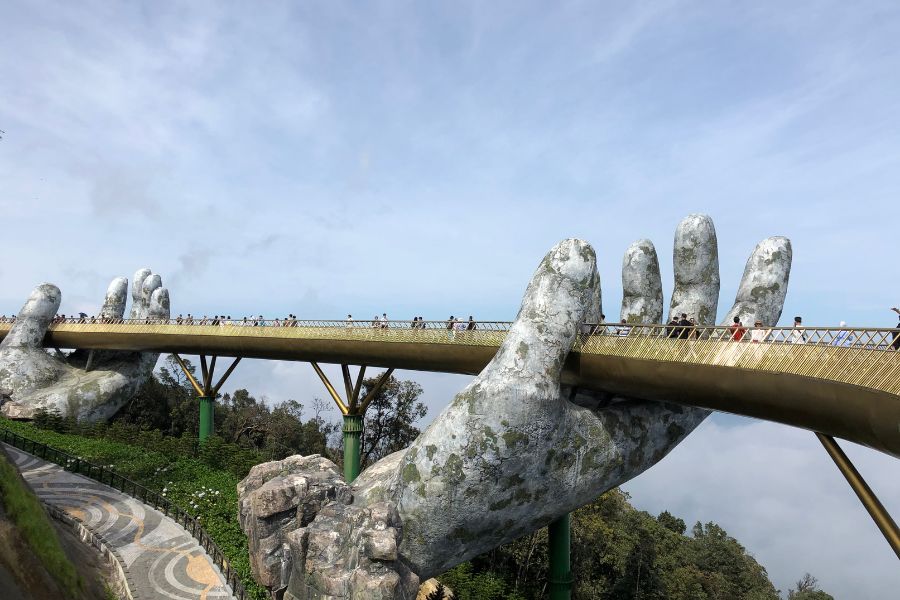
Central Vietnam’s largest city offers accessibility advantages. My Khe Beach is accessible via paved areas, and several resorts provide beach access for travelers with mobility limitations. The beach environment itself enables water activities adapted to various capacities.
My Son temples, approximately 40 kilometers away, present access challenges (stairs, uneven ground) but guided visits enable experiencing these important historical sites with vehicle assistance and reduced walking requirements.
Da Nang’s hotel infrastructure is excellent. Modern resorts provide accessibility standards exceeding other Vietnamese cities. Restaurants accommodate diverse needs. The coastal setting enables relaxation minimizing activity demands.
Halong Bay: Water-Based Experience
Halong Bay’s dramatic limestone karsts are primarily experienced from the water-advantageous for mobility-limited travelers. Cruise ships accommodate various mobility levels. Boat tours enable cave exploration without extensive walking. Overnight cruises provide comfortable accommodation while presenting the destination’s majesty.
The water itself becomes the experience rather than land-based activities. This shifts accessibility challenges-water entry requires planning and accommodation, but the primary activity doesn’t demand land-based mobility.
Mekong Delta: Accessible Water Tourism
The Mekong Delta’s character involves boats and water more than land-based activities. Tour boats navigate narrow canals, enabling observation without walking. Homestays increasingly provide accessible rooms and bathroom facilities. Floating markets are experienced primarily from boats.
This water-based tourism suits mobility-limited travelers. Extended time on boats requires preparation-bathroom accessibility on boats is limited, and movement on vessels presents challenges. However, the fundamental experience-seeing communities, markets, and landscape-remains accessible from vessel perspectives.
Transportation Solutions for Mobility-Limited Travelers
Private Drivers and Vehicles
Hiring private drivers with appropriate vehicles (vehicles providing easy entry/exit for wheelchairs, with air conditioning, and driver familiarity with accessibility needs) transforms transportation challenges into advantages. Private transport eliminates public transit’s chaos. Drivers can assist with mobility needs. Vehicles can be selected based on accessibility requirements.
Cost is reasonable compared to developed nations-approximately $30-50 daily for vehicle and driver. This represents extraordinary value for transportation enabling accessibility otherwise impossible.
Accessible Taxis and Ride Services
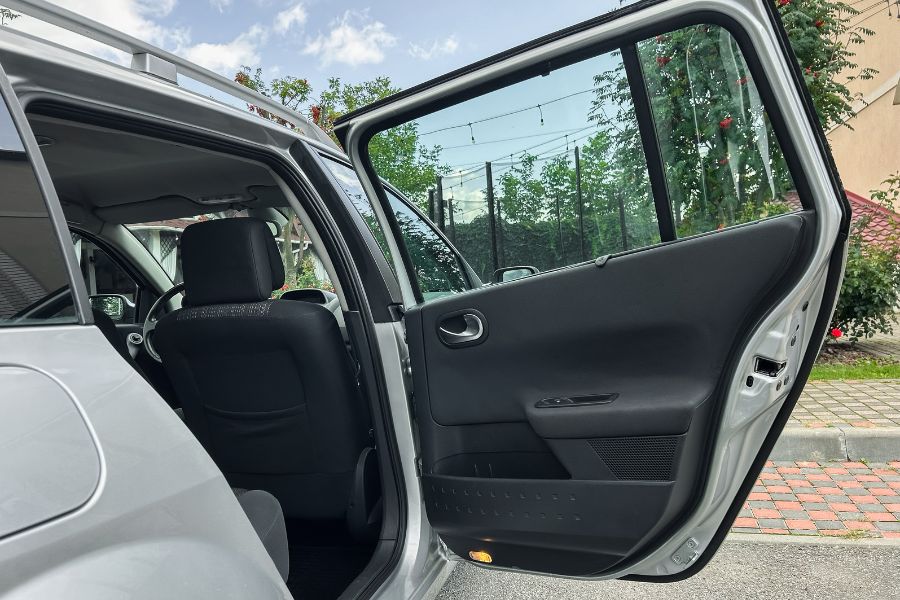
Grab (Southeast Asia’s ride-sharing app) increasingly offers accessible vehicle options in major cities. Traditional taxis vary-some accommodate wheelchairs, others don’t. Negotiating accessibility requirements with drivers before boarding prevents frustrating situations.
Modified Motorbikes and Tricycles
Vietnam’s modified motorbikes enable accessible transportation for those unable to walk. These three-wheeled vehicles, common for goods transport, can accommodate passengers with mobility limitations. Hiring these with drivers provides transportation merging local character with accessibility accommodation.
Accommodation Specifically for Accessible Travelers
Luxury Resorts with Accessibility Standards
High-end resorts in Da Nang, Hanoi, and Ho Chi Minh City increasingly meet accessibility standards. These properties provide accessible rooms with appropriate bathrooms, elevators, accessible dining, and staff trained in accessible travel Vietnam tour packages delivery. Cost is higher than budget options but remains reasonable compared to Western resorts.
Accessible Mid-Range Hotels
Growing numbers of mid-range hotels provide accessible rooms and facilities. These balance cost and comfort appropriately for many travelers. Advance booking with detailed accessibility requirements ensures properties confirm capability before arrival.
Accessible Homestays and Guesthouses
Homestays increasingly modify ground-floor rooms and bathrooms accommodating mobility limitations. Family-operated guesthouses adapt to special requests. Engaging operators specializing in accessible accommodation enables identifying genuinely suitable properties rather than those merely claiming accessibility.
Specific Activities and Experiences for Accessible Travelers
Cruise-Based Holidays
Overnight cruises in Halong Bay and Mekong Delta enable experience-rich travel minimizing land-based mobility requirements. Cruises provide comprehensive accommodation, meals, and activities onboard and from vessel perspectives. This structure suits accessibility planning.
Museum and Cultural Experiences
Vietnamese museums increasingly accommodate accessibility. Guided museum tours, arranged through operators, provide historical understanding without extensive physical demands. Cultural performances and shows, experienced from comfortable seating, enable engagement without mobility challenges.
Water Activities
Boating, basic kayaking, and swimming accommodate various mobility levels. Operators increasingly understand accessibility-providing modified water entry, appropriate flotation devices, and careful assistance. Water-based activities enable physical engagement adapted to individual capabilities.
Food Experiences and Cooking Classes
Cooking classes, modified for accessibility, enable culinary education. Seated preparation areas accommodate wheelchair users and those with limited standing capacity. Food tours, navigated by vehicle between restaurants, enable culinary exploration without extensive walking.
The Importance of Specialized Operators
Operators specializing in accessible travel provide invaluable expertise. They understand specific accessibility needs, maintain relationships with accommodating operators and facilities, arrange necessary modifications, and anticipate accessibility challenges independent travelers would encounter.
These specialists can customize itineraries matching exactly your capabilities-ensuring daily activities remain engaging without exceeding physical capacity. They coordinate complex logistics enabling focus on experience rather than problem-solving.
The financial investment in specialized operators returns genuine dividends through stress reduction, safety enhancement, and experience quality maximization.
Practical Preparation Strategies
Detailed Communication of Needs
Before traveling, document detailed accessibility needs-mobility devices required, bathroom facility specifics, temperature sensitivities, energy limitations. Share this documentation with operators, hotels, and guides. Clarity prevents misunderstandings and enables appropriate accommodations.
Physical Preparation
Vietnam’s climate is hot and humid, potentially challenging for travelers with heat sensitivity or chronic conditions. Pre-travel conditioning-heat acclimation, fitness building, medical preparation-enables smoother transition.
Obtaining Appropriate Insurance
Comprehensive travel insurance covering pre-existing conditions, mobility device damage, and medical evacuation becomes essential for travelers with mobility limitations. Standard policies frequently exclude pre-existing conditions-specialized travel insurance addresses this gap.
Building Realistic Timelines
Accessible travel often requires more time-moving slower, requiring rest breaks, managing logistics. Building realistic itineraries with flexibility prevents exhaustion and disappointment.
Technology and Resources
Mobile apps increasingly offer accessibility information about Vietnamese attractions. Websites like AccessibleAsia provide detailed accessibility assessments of specific sites. Online communities of travelers with mobility limitations share firsthand experiences enabling informed planning.
Consulting these resources before traveling dramatically improves preparation quality.
Conclusion: Vietnam Is Accessible with Proper Planning
The fundamental truth: Vietnam is accessible for travelers with mobility limitations when proper planning, accessible travel Vietnam tour packages, and specialized operator expertise converge. While Vietnam’s infrastructure differs from developed nations’ accessibility standards, the country offers accessible travel Vietnam tour packages, welcoming communities, and meaningful engagement possibilities.
Mobility limitations should not prevent exploring Vietnam. They require different planning, adjusted expectations, and sometimes greater investment in accessible travel Vietnam tour packages. However, the rewards-experiencing different cultures, challenging personal assumptions, and discovering capabilities-justify the effort.
Vietnam’s genuine attraction-authentic culture, natural beauty, warm people-remains fully available through accessible travel Vietnam tour packages. The experience might look different than an able-bodied traveler’s experience, but the difference doesn’t diminish value. Indeed, adaptive travel sometimes creates richer understanding through necessity-driven creativity and deeper local engagement.
Begin planning with a clear understanding of your accessibility needs. Identify genuinely accessible destinations. Engage specialized operators understanding accessible travel Vietnam tour packages and your requirements. Build realistic timelines. Expect adaptation and flexibility. Vietnam awaits-genuinely accessible, fully welcoming, and absolutely worth the effort required to visit.
0 Comment