
“Is Vietnam safe for solo travelers?” This question echoes across travel forums, concerned family members’ mouths, and anxious first-time travelers’ minds. The answer is unambiguously yes-Vietnam ranks among Southeast Asia’s safest destinations, with millions of international visitors traveling safely annually. However, safety involves nuance beyond broad reassurance. This comprehensive guide addresses legitimate safety concerns, provides practical precautions, and offers expert insights from professionals helping solo travelers navigate Vietnam confidently. Understanding Vietnam’s genuine safety profile, alongside appropriate precautions and support from knowledgeable best Vietnam tour companies specializing in solo traveler experiences, transforms anxiety into confident exploration.
Vietnam’s Safety Reality: Statistical Perspective
Vietnam consistently ranks as one of Asia’s safest countries for international travelers. Violent crime targeting tourists is extraordinarily rare. When asking “Is Vietnam safe for tourists?” the answer is unambiguously yes. Petty theft occurs occasionally, particularly in crowded areas and on overnight transport. Scams targeting tourists exist but remain limited compared to other popular destinations. Traffic accidents represent the most significant safety concern, though these affect both locals and visitors.
Understanding “Is Vietnam safe for tourists?” requires a statistical perspective. The 2025 Global Peace Index ranks Vietnam 59th globally among 163 countries-placing it ahead of numerous developed nations. Travelers from any nationality report feeling safer walking Vietnam’s streets at night than streets in major American or European cities. Tourist police dedicate resources specifically to visitor safety. Vietnamese culture strongly discourages violence toward visitors-hospitality is a cultural value, and harming guests violates fundamental principles.
This reality-statistically very safe while requiring normal urban precautions-should inform your approach. Vietnam isn’t danger-free, but the danger level is typically lower than travelers’ home countries.
Understanding Common Safety Concerns Realistically
Traffic and Transportation Safety
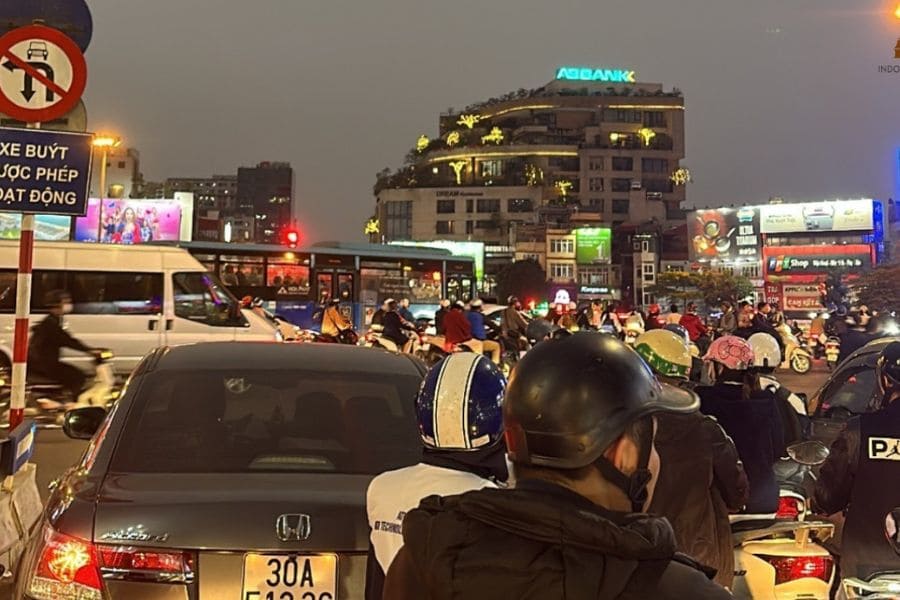
Vietnam’s traffic represents the legitimate safety concern. Motorcycles outnumber cars, traffic rules are followed loosely, and accidents happen. However, tourists rarely drive-most travel via buses, taxis, or hired drivers. Buses and taxis maintain reasonable safety records. The risk of traffic accidents exists but remains manageable through sensible choices.
Cross streets attentively. Use established taxis or ride-apps rather than negotiating motorcycle taxis. Avoid driving or renting motorcycles unless experienced-many travelers overestimate abilities on unfamiliar roads. Sleep during overnight buses rather than attempting to stay alert. These practical precautions minimize risk substantially.
Petty Theft in Crowded Areas
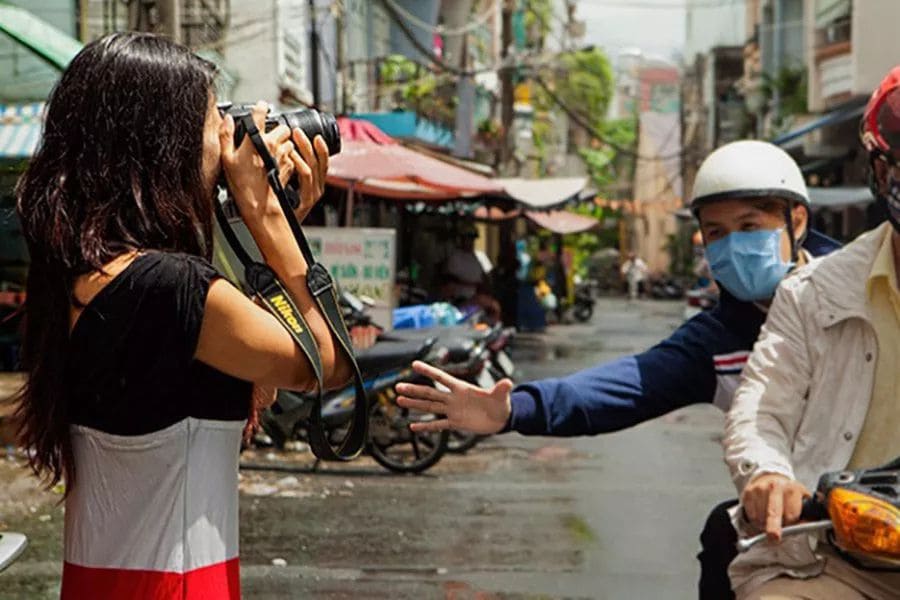
Bag snatching and pickpocketing occur occasionally in crowded markets, buses, and tourist areas. Thieves target obvious tourists with expensive cameras, loose valuables, or unattended belongings. Most theft is preventable through reasonable awareness.
Keep valuables secure-use money belts, travel backpacks with hidden compartments, and secure locks on accommodation. Avoid displaying expensive cameras, jewelry, or large amounts of cash. Don’t leave belongings unattended. Stay aware in crowds without paranoia. These standard urban precautions sufficiently address theft risk.
Scams Targeting Tourists
Common scams include overcharging at restaurants, gem scams, fake taxis, and tour operator fraud. Scams occasionally target solo travelers specifically. However, scams are avoidable through basic precautions and skepticism toward suspicious offers.
Agree on prices before services begin. Use metered taxis or app-based transport. Book tours through established operators with verifiable credentials. Be skeptical of unsolicited offers from friendly strangers-some are genuine local hospitality, others are scam initiations. When in doubt, politely decline.
Solo Female Traveler Specific Concerns
Solo female travelers express specific safety concerns regarding sexual harassment and assault. While Vietnam is considerably safer than many countries, unwanted attention occurs. Harassment is usually verbal-whistles, catcalls, stares-rather than physical. Serious assault is rare.
Practical precautions include dressing modestly in conservative areas (temples, rural regions), declining unsolicited drinks from strangers, traveling with trusted people for evening activities, and staying in reputable accommodations. Women-only guesthouses and female-led tour groups provide additional comfort. Trust your instincts-if something feels wrong, remove yourself from the situation.
Most solo female travelers report Vietnam as safer than many Western countries and thoroughly enjoy solo travel experiences.
Practical Safety Strategies for Solo Travelers
Preparation Before Arriving
Research Vietnam before traveling. Understand current events and any government travel advisories. Share itinerary with family/friends and maintain regular contact. Purchase comprehensive travel insurance including medical evacuation. Register with your embassy before traveling. Keep copies of important documents separately from originals.
Obtain Vietnam travel vaccines (hepatitis A/B, typhoid, Japanese encephalitis based on regions visited). Antimalarial medication is sometimes recommended depending on regions-consult medical professionals. Altitude sickness can affect mountain regions-understand symptoms and prevention.
These preparations aren’t paranoid-they’re responsible travel habits enabling help if genuine emergencies arise.
Accommodation Safety
Stay in established guesthouses, hotels, and hostels with positive reviews from recent travelers. Avoid extremely cheap accommodations in unknown buildings. Use hotel safes for valuables. Request rooms on middle floors (avoiding easy street-level access while avoiding top-floor isolation). Confirm security protocols-24-hour front desk, locked entrances, emergency contact numbers.
Women-only dormitory rooms in hostels provide community while maintaining safety. Many solo female travelers specifically seek these options for security and social connection.
Health and Medical Preparedness
Vietnam’s healthcare quality varies by location. Major cities offer good private hospitals. Remote areas have limited options. Understanding these variations enables smart choices.
Carry comprehensive first-aid supplies-pain relievers, anti-diarrheal medication, antihistamines, antibiotics. Many medications available without prescription reduce cost, though quality varies. Thailand’s pharmacies, just across the border, have excellent quality medications.
Drink bottled water exclusively-tap water is unsafe for visitors unaccustomed to local pathogens. Street food is generally safe if busy (indicating frequent turnover), but digestive issues remain possible. Eat conservatively if unfamiliar with food sources.
Medical emergencies require evacuating to Thailand in serious cases-understanding evacuation insurance becomes crucial for remote travel.
Transportation Safety
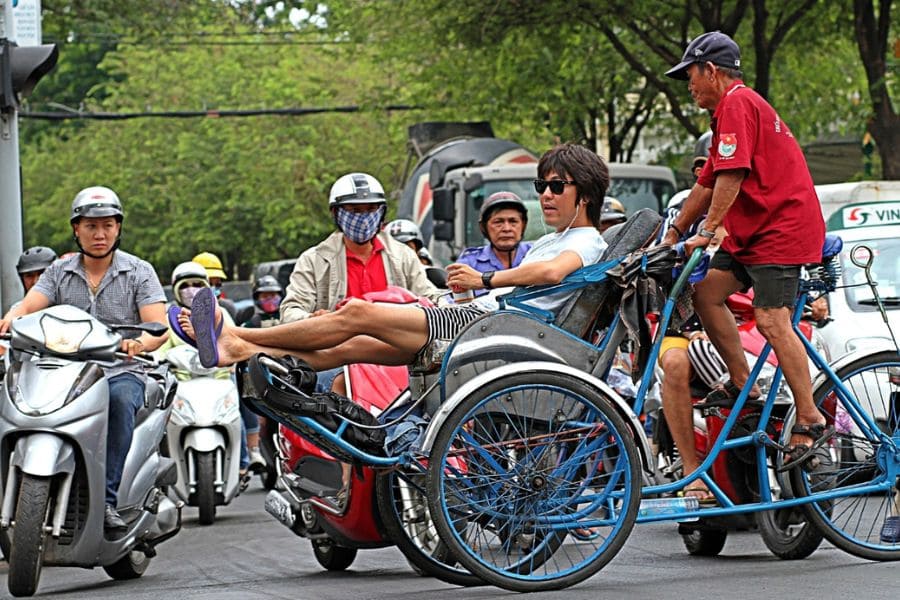
Use established taxi companies, Grab app (Southeast Asia’s Uber equivalent), or hotel-arranged transport. Don’t accept unmarked taxis or negotiate taxis with strangers. Overnight buses are generally safe-millions travel this way annually without incident. Sleep rather than staying alert during nighttime travel.
If renting motorcycles despite reservations-don’t-wear helmets without exception. Assume other drivers won’t follow traffic rules. Assume roads might be poorly marked. Assume your abilities are overestimated.
Staying Aware Without Paranoia
Situational awareness means noticing surroundings-observing where you are, who’s nearby, potential exits, unusual situations. This isn’t paranoia or fear-it’s attention. Most travelers develop this naturally through travel.
Paranoia-excessive fear creating isolation and preventing normal activity-is unnecessary and counterproductive. Normal awareness combined with standard precautions enables safe, enjoyable experiences.
Solo Traveler Community and Connection
Solo travel’s greatest safety advantage involves connection with other travelers. Hostels, tour groups, and online communities provide opportunities meeting other solo travelers, sharing information, and traveling together when desired.
Many solo travelers report that community-other travelers and local friends made during travels-provided the experience’s most valuable elements. Solo travel doesn’t mean lonely travel. It means independent travel with connection options.
Specific Regional Safety Considerations
Northern Mountains (Sa Pa, Ha Giang)
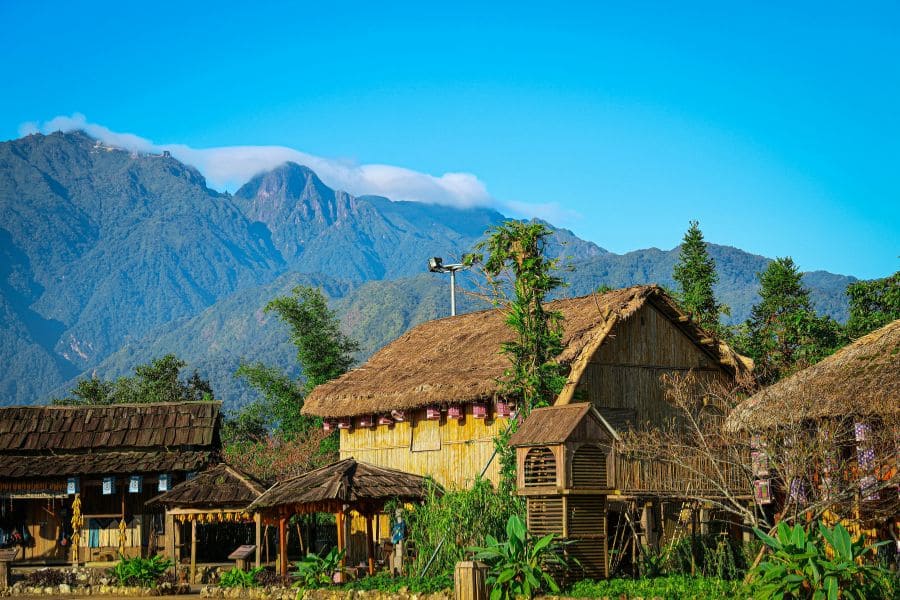
Remote mountain regions are very safe regarding crime but present environmental hazards. Trekking requires adequate fitness and preparation. Weather changes rapidly. Altitude affects some travelers. Guides are essential for safety and experience quality.
Mekong Delta and South
The Mekong Delta is exceptionally safe. Floating markets and small villages welcome visitors genuinely. Standard urban precautions apply in larger cities. Island destinations are safe with normal awareness.
Central Coastal Regions
Coastal areas are safe. Beach towns attract tourists and maintain tourism infrastructure. Standard precautions apply.
The Role of Professional Guides and Operators
Professional guides provide security beyond crime prevention. They understand safe routes, know local conditions, maintain relationships enabling help if needed, and can communicate in emergencies. Solo travelers might feel vulnerable; guides provide both practical assistance and psychological reassurance.
The best guides possess genuine concern for traveler wellbeing, not merely transactional relationship. They educate about safe choices while respecting independence. They enable solo travelers to feel secure without infantilizing them.
Professional operators specializing in solo travelers understand specific concerns. They facilitate social connection reducing isolation, provide security through group structures, and enable meaningful experiences. Their experience-based recommendations help solo travelers feel confident.
Returning Home: Perspective and Reintegration
Many solo travelers report that returning home presents unexpected challenges. After weeks or months of independence, capability, and navigation of unfamiliar environments, returning to normal life can feel constraining. This isn’t dangerous-it’s psychological reintegration.
Processing travel experiences, maintaining friendships developed during travel, and integrating expanded perspectives into home life take time. These are healthy challenges reflecting genuine growth.
Conclusion: Vietnam Is Safe, Preparation Is Essential, Guides Are Valuable
When asking “Is Vietnam safe for tourists?” the fundamental answer is clear: Vietnam is indeed safe for solo international travelers. Millions of solo travelers-particularly solo female travelers-visit annually and report positive, safe experiences. Is Vietnam safe for tourists? Yes, serious crimes targeting tourists are exceedingly rare. The country welcomes visitors and values hospitality.
However, understanding “Is Vietnam safe for tourists?” involves recognizing that safety involves preparation. Research before traveling. Understand genuine risks and preventive measures. Obtain travel insurance and register with your embassy. Maintain situational awareness without paranoia. Make smart decisions about transportation, accommodation, and activities.
Consider engaging professional guides and tour operators for portions of your journey. Their expertise-local knowledge, established relationships, communication abilities, experience-based wisdom-provides value extending beyond security into experience quality, cultural understanding, and meaningful engagement.
Solo travel in Vietnam transforms travelers. It builds confidence, expands perspectives, and creates memories lasting lifetimes. Safety, properly understood and reasonably prepared for, shouldn’t prevent this transformation. Vietnam awaits-safe, welcoming, and full of possibility for solo travelers ready to explore.
0 Comment