

Angkor Wat stands as Cambodia’s crowning jewel, a sprawling 12th-century masterpiece blending Hindu symbolism with Khmer genius that draws millions seeking ancient wonders. This UNESCO icon, larger than the Vatican, merges intricate carvings, cosmic alignments, and spiritual depth into an unparalleled heritage site.
Unlock Angkor Wat history, practical advice, and hidden gems through this all-encompassing resource. From securing Angkor Wat tickets to capturing Angkor Wat sunrise magic, preparation transforms overwhelming crowds into awe-inspiring Vietnam & Cambodia tours.
Angkor Wat History: From Hindu Origins to Khmer Empire Glory
Angkor Wat history traces back to 1113-1150 CE under King Suryavarman II, conceived as a Hindu temple dedicated to Vishnu before evolving into a Buddhist site.
Construction Marvels and Symbolism
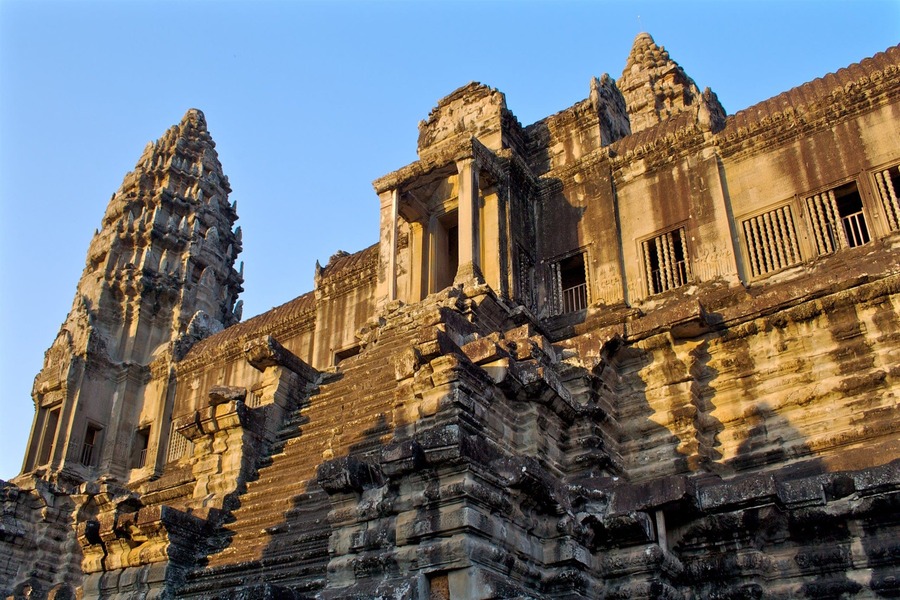
Built with 5 million tons of sandstone quarried 50km away, the complex replicates Mount Meru—Hinduism’s cosmic center.
- Engineering Feats: Moat spans 5km, symbolizing oceans; central towers reach 65m, aligned with solstices.
- Transition to Buddhism: Jayavarman VII’s 13th-century shifts added Buddha statues; dual faiths coexist today.
- Rediscovery: French explorer Henri Mouhot’s 1860 accounts sparked global interest, leading to restorations.
This evolution cements Angkor Wat as a living testament to religious harmony.
Post-Angkor Decline and Revival
Abandoned after 1431 Thai sacking, jungles reclaimed it until 1907 French conservation.
- Colonial Era: École Française d’Extrême-Orient cleared overgrowth; 1992 UNESCO listing spurred protections.
- Khmer Rouge Impact: 1970s damage minimal; post-1979 efforts rebuilt amid landmines.
- Modern Preservation: 2026 tech like drones maps erosion; Apsara Authority manages sustainability.
Angkor Wat history reflects resilience amid invasions and time.
Angkor Wat Facts: Mind-Blowing Trivia and Hidden Details
Angkor Wat facts reveal staggering scale—covering 162 hectares, it housed a city of 750,000 at peak.
Architectural Wonders Uncovered
Bas-reliefs stretch 800m, depicting epics like Ramayana.
- Apsara Carvings: Over 2,000 celestial dancers adorn walls, each hairstyle unique.
- Hydraulic System: Ingenious reservoirs fed moats, sustaining agriculture for empires.
- Orientation Mystery: Western facing ties to death or Vishnu—debated by scholars.
These Angkor Wat facts showcase Khmer precision engineering.
Cultural and Global Significance
Largest religious monument globally, influencing art worldwide.
- Flag Feature: Sole building on Cambodia’s flag, symbolizing national pride.
- Film Fame: Lara Croft: Tomb Raider spotlighted Ta Prohm nearby.
- Visitor Stats: 2.6 million annually pre-pandemic; 2026 projections near 3 million.
Such trivia enriches visits to this Angkor Wat temple complex cornerstone.
Best Time to Visit Angkor Wat: Seasonal Strategies for Peak Experiences
Best time to visit Angkor Wat balances weather, crowds, and vibes—dry season (November-March) offers comfort, while wet brings lushness.
Dry Season Advantages (November-April)
Cooler temps (25-30°C) ease explorations.
- Peak Perks: Clear skies for Angkor Wat sunrise; festivals like Khmer New Year add vibrancy.
- Crowd Management: Early arrivals dodge buses; shoulder months (Nov/Feb) thinner.
- Drawbacks: Dustier paths; higher prices amid 2 million visitors.
Ideal for first-timers seeking Angkor Wat facts in comfort.
Wet Season Wonders (May-October)
Monsoons flood moats, turning landscapes emerald.
- Pros: Fewer tourists; dramatic storms enhance photos; lower Angkor Wat tickets demand.
- Cons: Muddy trails; afternoon rains disrupt plans.
- Hidden Bonus: Flooded forests reflect towers magically; birdwatching peaks.
Best time to visit Angkor Wat for photographers chasing solitude.
Angkor Wat Tickets: Costs, Passes, and Smart Buying Tips
Angkor Wat tickets grant access to the 400km² complex—1-day $37, 3-day $62, 7-day $72.
Pass Types and Validity
Multi-day options allow non-consecutive use over a week or month.
- 1-Day Pass: Suits quick hits; valid till sunset.
- 3-Day Flexibility: Ideal for paced explorations; skips peak heat.
- 7-Day Deep Dive: Covers outer temples; best value for history buffs.
Purchase at official booths or online via Angkor Enterprise—avoid fakes.
Budget-Saving Strategies
- Free Entries: Kids under 12; locals with ID.
- Add-Ons: Guides $30/day; tuk-tuks $20.
- 2026 Updates: Digital QR codes; eco-fees fund restorations.
Angkor Wat tickets investment unlocks endless wonders.
How to Get to Angkor Wat: Seamless Access from Siem Reap
How to get to Angkor Wat starts in Siem Reap, 7km south—flights land at SAI Airport 45km away.
Transport Options Explored
Tuk-tuks dominate short hops; buses link regionally.
- From Airport: $35 taxis; $8 shuttles to town.
- Daily Commutes: $15-20 tuk-tuks for full days; e-bikes $10 for green freedom.
- Group Tours: $50+ minibuses include guides; ideal for solos.
Cycle paths offer scenic 30-minute rides from Siem Reap.
Logistics and Tips
- Entry Gates: East for quieter starts; west for classic moat views.
- Accessibility: Wheelchair ramps limited; hire assistants via hotels.
- 2026 Enhancements: Electric shuttles reduce emissions.
Efficient how to get to Angkor Wat plans maximize temple time.
Exploring the Angkor Wat Temple Complex: Must-See Highlights
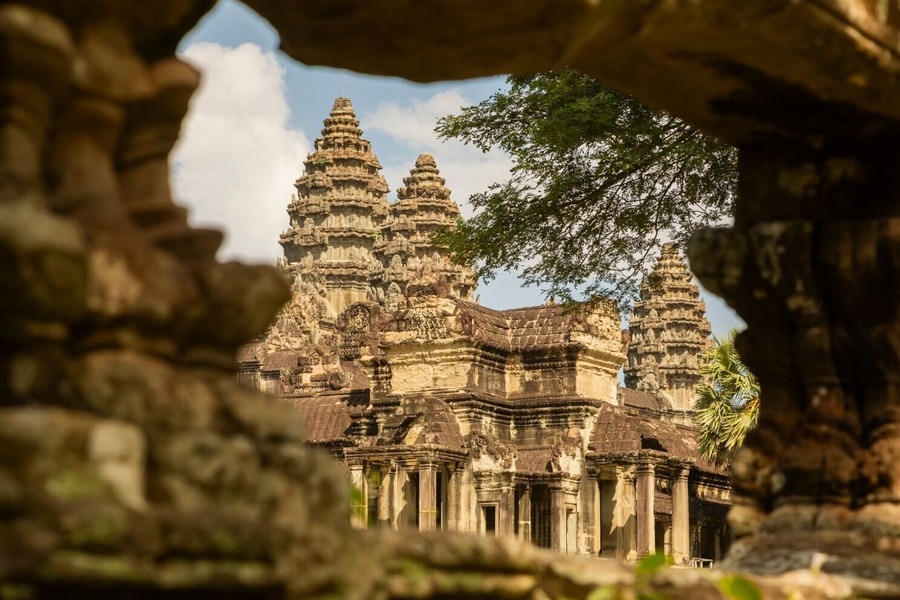
Angkor Wat temple complex sprawls with 72 major monuments—prioritize icons first.
Central Sanctuary and Towers
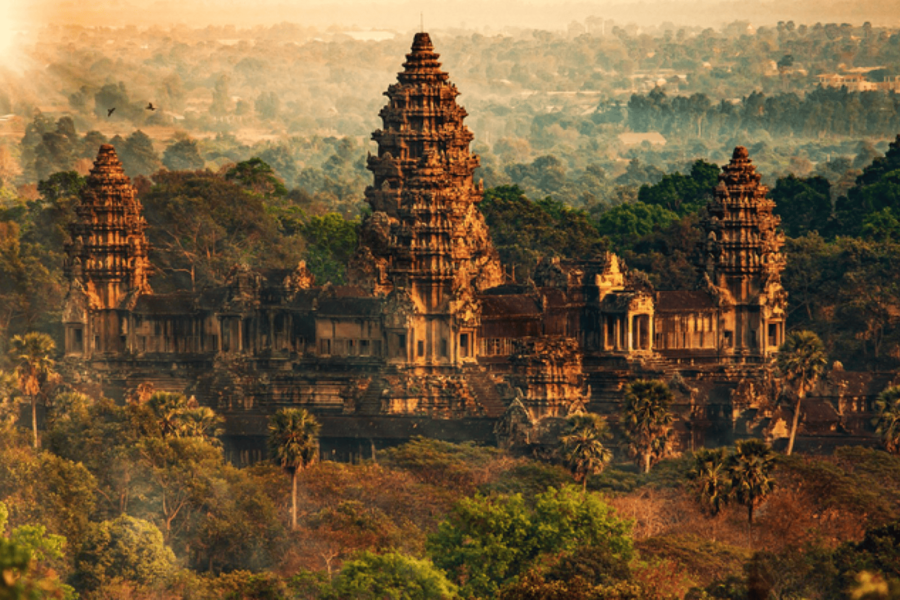
Five lotus towers dominate, housing Vishnu shrines.
- Bakan Upper Level: Steep stairs lead to panoramic vistas; limited access.
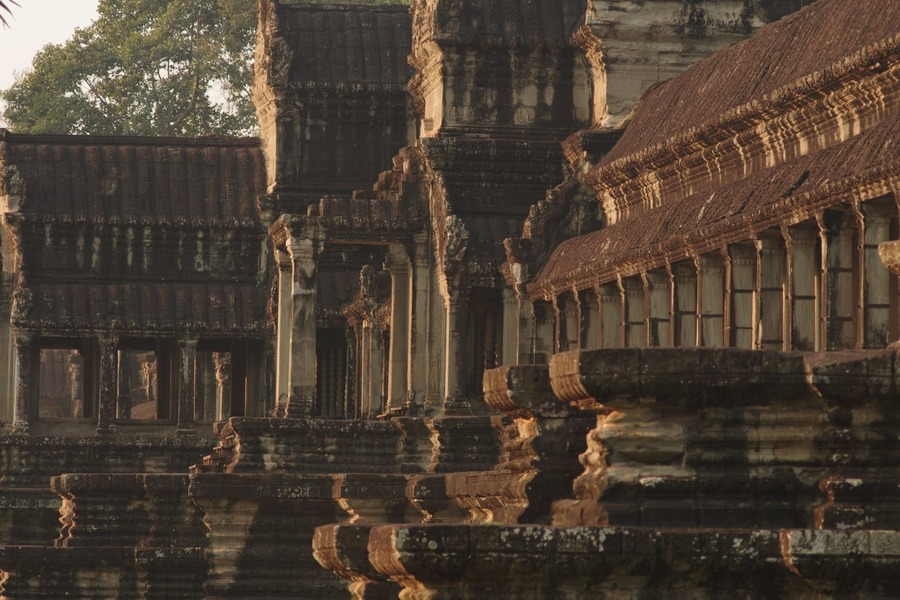
- Galleries: Inner walls narrate battles and myths in stone.
- Libraries: Twin structures held sacred texts; photogenic symmetry.
Climb for spiritual highs amid chanting monks.
Surrounding Wonders Within Reach
Ta Prohm’s tree roots; Bayon’s faces nearby.
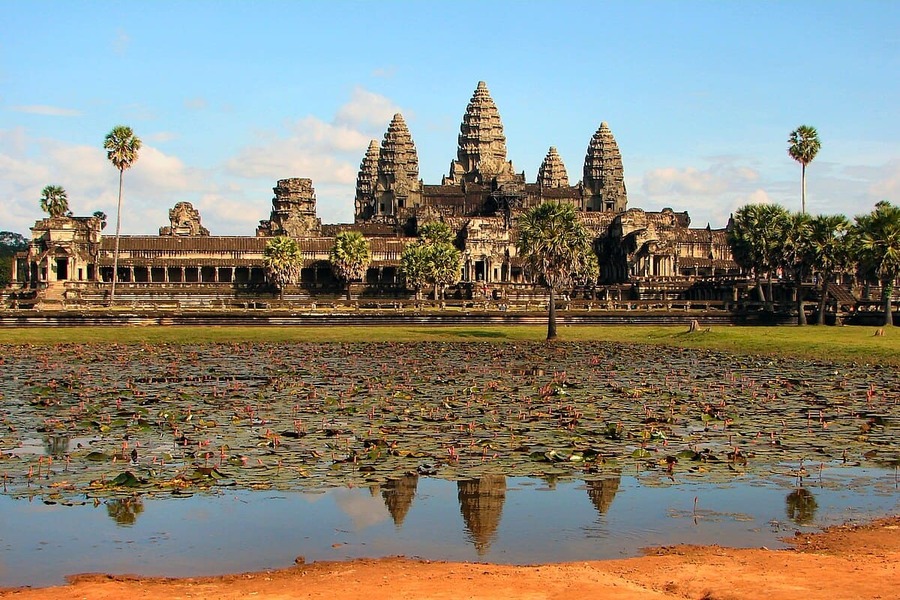
- Moat Reflections: Dawn walks capture mirrored majesty.
- Lesser-Known Spots: Phimeanakas pyramid; Terrace of Elephants parades.
- Outer Loops: Banteay Kdei serenity; Pre Rup sunsets.
Angkor Wat temple complex rewards multi-day delves.
Angkor Wat Sunrise: Capturing the Magical Dawn Spectacle
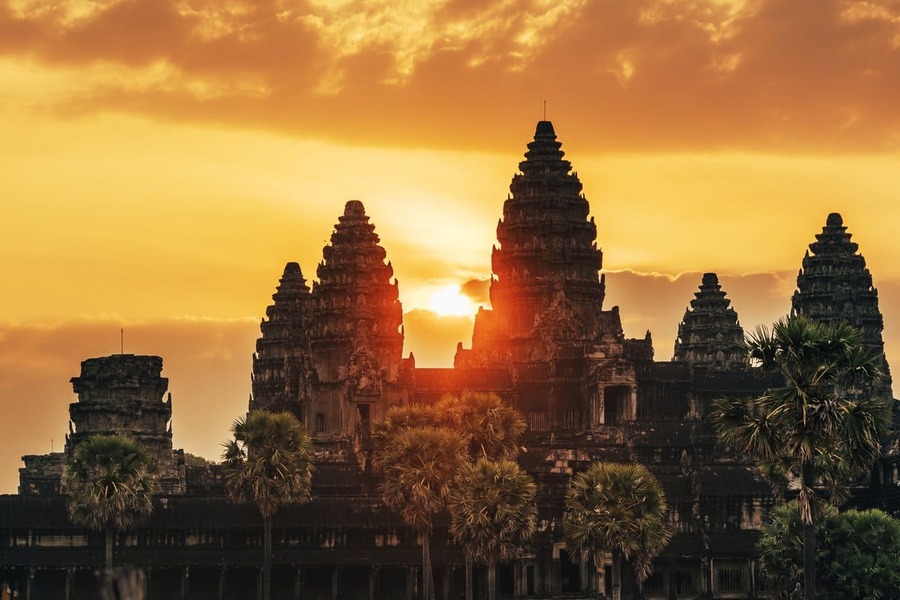
Angkor Wat sunrise transforms silhouettes into golden masterpieces—arrive 5am for prime spots.
Preparation for the Perfect Shot
Lotus Pond west reflects towers flawlessly.
- Crowd Tactics: Left side quieter; guides secure views.
- Weather Factors: Dry season clarity; wet clouds add drama.
- Gear Essentials: Tripods; wide lenses for panoramas.
This ritual crowns best time to visit Angkor Wat experiences.
Alternative Sunrise Sites
Phnom Bakheng hill; Srah Srang pond for solitude.
- Timing Precision: Gates open 5am; 30-minute tuk-tuk from town.
- Post-Dawn Tips: Breakfast picnics; explore as crowds thin.
Angkor Wat sunrise memories endure eternally.
Practical Tips for Visiting Angkor Wat: Etiquette and Essentials
Navigate Angkor Wat with respect—modest dress mandatory.
Dress Code and Behavior
Cover shoulders/knees; no hats indoors.
- Prohibitions: No touching carvings; quiet in shrines.
- Sustainability: Water bottles refillable; trash out.
- Health Prep: Sunscreen; hydration against 35°C heat.
These ensure harmonious visits.
Guided vs Self-Exploration
Guides unveil Angkor Wat facts; apps like Angkor Audio suffice for independents.
- Tour Types: $40 English guides; $100 private.
- Mobility Aids: E-scooters for vast grounds.
- 2026 Innovations: AR apps overlay ancient reconstructions.
Tailor to preferences for enriched Angkor Wat history dives.
Beyond Angkor Wat: Nearby Temples in the Complex
Angkor Wat temple complex extends to must-sees like Angkor Thom.
Bayon and Ta Prohm Highlights
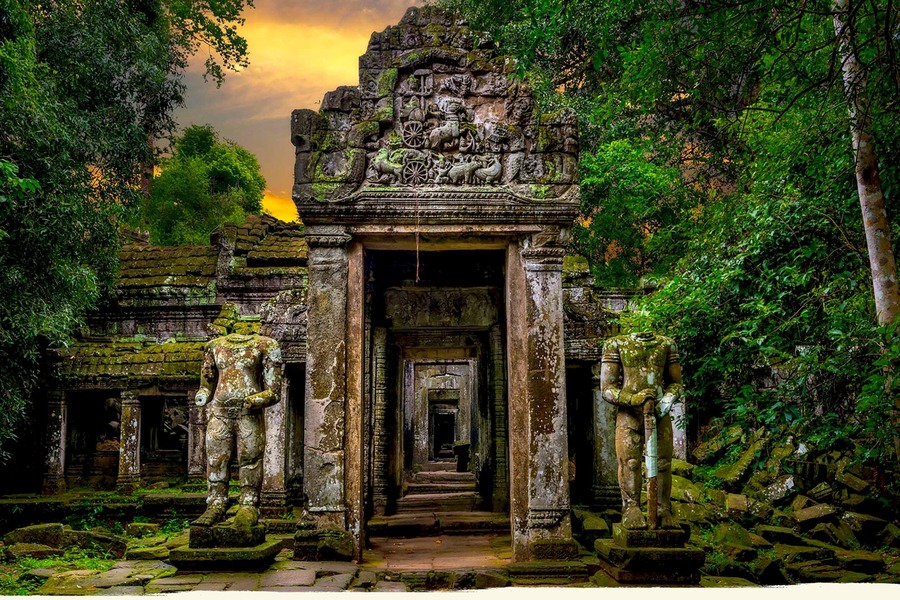
Bayon’s 216 faces; Ta Prohm’s roots entwine ruins.
- Bayon Mysteries: Avalokiteshvara smiles symbolize enlightenment.
- Ta Prohm Allure: Tomb Raider fame; atmospheric overgrowth.
- Preah Khan: Vast corridors; sacred sword legends.
Day trips cover these seamlessly.
Outer Circuit Gems
Banteay Srei’s pink sandstone; Phnom Kulen waterfalls.
- Banteay Srei Details: Intricate goddess carvings; 25km north.
- Kbal Spean: Riverbed lingas; jungle hikes reward.
- Roluos Group: Pre-Angkor bricks; Bakong pyramid.
Expand horizons within Angkor Wat temple complex bounds.
Frequently Asked Questions About Angkor Wat
What Is Key Angkor Wat History?
Angkor Wat history spans Suryavarman II’s Hindu build to Buddhist evolution.
When Is Best Time to Visit Angkor Wat?
Best time to visit Angkor Wat dry season for comfort; wet for greenery.
How Much Are Angkor Wat Tickets?
Angkor Wat tickets: $37 one-day, $62 three-day, $72 seven-day.
What Makes Angkor Wat Sunrise Special?
Angkor Wat sunrise illuminates towers dramatically over moats.
Angkor Wat endures as humanity’s architectural pinnacle, weaving Angkor Wat history with timeless beauty. Arm with Angkor Wat tickets, chase Angkor Wat sunrise, and wander the Angkor Wat temple complex—let its stones ignite wanderlust for generations.
0 Comment