
Introduction: Why Food and Culinary Travel Guide Southeast Asia Is Changing Everything
Here’s something that catches most travelers off guard: the single best way to understand a culture isn’t through museums, historical sites, or guidebooks. It’s through food.
And if that’s true anywhere on Earth, it’s Southeast Asia.
The region’s food tells stories-stories of Chinese traders, Indian spice merchants, French colonial influences, and centuries of agricultural adaptation. When you taste authentic Vietnamese pho, you’re experiencing a dish that evolved from beef cattle herding practices and Chinese noodle traditions. When you eat Cambodian fish amok, you’re tasting a cuisine shaped by the Tonlé Sap Lake’s rhythm and fishing communities’ ingenuity. When you sample Laotian sticky rice with grilled fish, you’re participating in agricultural and cultural practices that haven’t fundamentally changed for generations.
This is why food and culinary travel guide Southeast Asia has exploded as a travel trend. According to 2026 culinary tourism market research, Asia-Pacific currently dominates the global food tourism market with over 43% share, and Southeast Asia specifically represents the fastest-growing segment. The global culinary tourism market is projected to reach USD 4.21 trillion by 2033 (growing at 14.46% annually), with Southeast Asia leading due to its diverse cuisines, authentic food experiences, and strong cultural connection to gastronomy.
But here’s where most travel guides fail: they treat food and culinary travel as a checkbox activity (visit night market, take cooking class, eat famous dish). They miss the actual point. Food and culinary travel guide Southeast Asia done right isn’t about collecting exotic flavors. It’s about understanding how communities live, what they value, and how they’ve adapted to their environment across centuries.
This comprehensive guide walks you through the actual landscape of food tourism in Vietnam, Cambodia, and Laos-from street food strategy to private cooking classes, from market navigation to understanding what makes regional cuisines distinct. Whether you’re a serious foodie, casual adventurer, or someone simply seeking authentic cultural connection, this guide will help you engage with Southeast Asia’s culinary landscape in ways that go far deeper than typical tourist dining.
For those planning extended journeys through the region using thoughtfully designed Vietnam vacation, integrating culinary experiences into your itinerary isn’t just about eating well-it’s about unlocking genuine cultural understanding through one of humanity’s most essential practices.
Understanding Southeast Asia’s Culinary Philosophy: The Foundation
Before we dive into specific experiences, understanding the philosophical foundation of Southeast Asian cuisine is essential. It changes how you taste and appreciate food.
The Core Philosophy: Balance Over Dominance
Southeast Asian cuisine is built on balance. Unlike many Western cuisines that highlight a single star ingredient or technique, Southeast Asian cooking achieves beauty through equilibrium-sweet balanced against salty, sour tempering spicy, crispy contrasting creamy.
This reflects the region’s agricultural and cultural reality. Centuries of monsoon cycles, tropical agriculture, and ethnic diversity created necessity: create dishes using whatever is available, balance flavors to prevent palate fatigue across multiple dishes, adapt preparations to seasonal availability.
The result: a cuisine that’s infinitely varied yet fundamentally coherent. A street food stall in Hanoi and a family kitchen in rural Cambodia use similar ingredient palettes but express them completely differently based on local tradition.
Key Ingredients That Define the Region
Fresh herbs: Cilantro, mint, basil, lemongrass, and sawtooth herb are used not as garnishes but as core flavor components.
Chili: The region’s heat comes primarily from fresh chilies (rather than chili powder or preserved preparations), allowing for heat modulation.
Lime and tamarind: These souring agents balance richness and create brightness.
Fish sauce and shrimp paste: These umami-building fermented ingredients are foundational to almost every savory dish.
Coconut milk: Used extensively in both savory and sweet applications.
Rice and noodles: Available in dozens of forms, these starches anchor meals.
Understanding these ingredients means you’ll recognize them across different dishes and cuisines, creating an “aha!” moment where seemingly disparate dishes reveal their philosophical coherence.
Vietnam: From Street Food to Fine Dining
Vietnam’s cuisine is often positioned as “beginner-friendly” Southeast Asian food. This is misleading. Vietnamese cooking is sophisticated and deeply regional-it’s just that the finest expressions often exist in humble street settings rather than fancy restaurants.
The Street Food Philosophy: Where Real Vietnamese Cooking Lives
Here’s something crucial: Vietnamese street food isn’t “cheap food.” It’s the expression of Vietnamese culinary excellence. A master phở maker might spend 20+ years perfecting their broth recipe. A bánh mì vendor sources specific meats from specific producers. Street cooking represents deep expertise, not entry-level cuisine.
The Strategic Approach to Street Food:
Rather than randomly sampling, understand that street food operates through specialization. A vendor typically makes 1-3 dishes exceptionally well. Your job is finding the best example of each dish.
Essential Vietnamese street foods and where to find them:
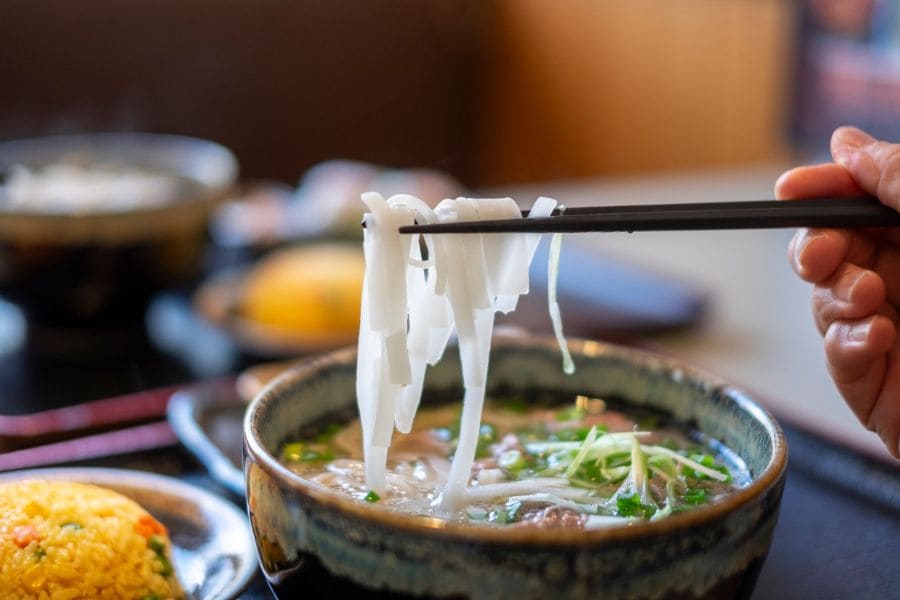
Phở (Beef noodle soup): Best found in specialized phở shops (look for “Phở Bò”), ideally those that have operated from the same location for 20+ years. The broth-simmered overnight over aromatic bone stock with star anise, cinnamon, and coriander-is where quality concentrates.
Why it matters: Regional variations exist. Northern (Hanoian) phở is lighter and more refined. Southern phở incorporates sweetness and includes more herbs and condiments. Try both to understand how geography shapes cuisine.
Bánh Mì (Vietnamese sandwich): This is a perfect culinary example of cultural fusion. The French baguette meets Vietnamese ingredients (pâté, Vietnamese cold cuts, pickled vegetables, fresh herbs).
Strategic note: Quality bánh mì depends on bread quality (should be crispy outside, airy inside), quality meats, and balance of acid from pickled vegetables. Street stalls that bake their own bread are typically superior.
Bún Chả (Grilled pork and noodles): Ground pork meatballs and pork slices grilled over charcoal, served with rice noodles and herbs, dipped in fish sauce-based dipping sauce.
Why this matters: This dish perfectly demonstrates the Vietnamese cooking philosophy-grilled meat (smoky), fresh herbs (bright), fermented fish sauce (umami), dipping creates flavor complexity with each bite.
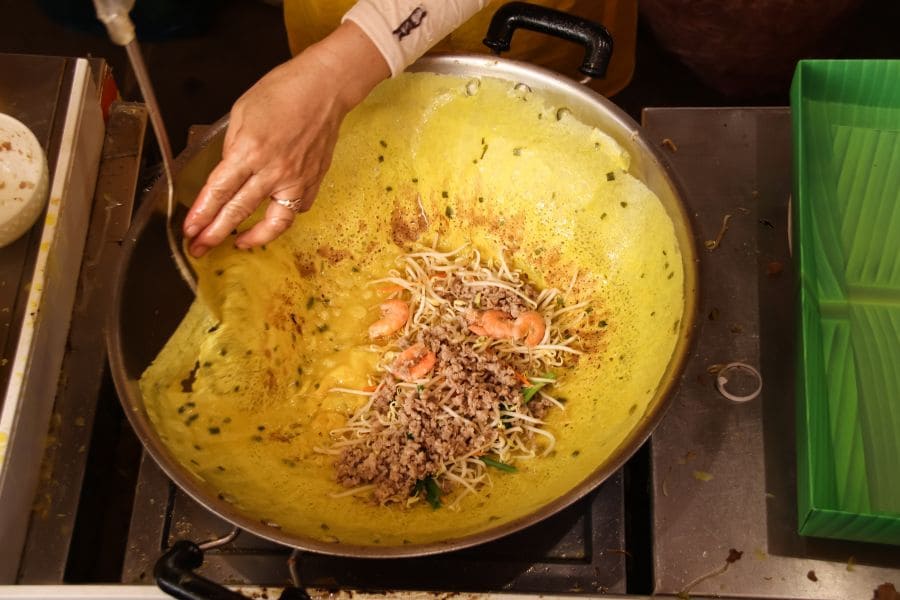
Bánh Xèo (Sizzling crepes): Rice flour crepes cooked on a flat griddle, filled with pork and shrimp, served with fresh herbs and dipping sauce. The sizzle comes from the hot oil hitting the batter.
Cơm Tấm (Broken rice): Humble-looking broken rice served with grilled pork chops, Vietnamese sausage, fried egg, and pickled vegetables. The broken rice creates better texture for soaking up sauces.
Strategic note: Cơm tấm is a working-class breakfast food. Eat it at breakfast (6-9 AM) from hole-in-the-wall shops where locals eat. The atmosphere, authenticity, and price are incomparable to tourist-oriented restaurants.
Market Experiences: Beyond Photo Ops
Vietnamese food markets (chợ) are where you understand local food culture. They’re not tourist attractions-they’re functional spaces where community food systems operate.
Strategic market navigation:
Don Hoi (Ben Tre): This is the largest wholesale fruit market in Vietnam, operating in pre-dawn darkness (4-6 AM). It’s genuinely authentic and requires effort to navigate, but witnessing the volume, variety, and speed of trade reveals how fruit flows through Vietnamese supply chains.
Hom Market (Hanoi): A neighborhood market serving actual residents, not tourists. You can observe people shopping for daily meals, which reveals what Vietnamese home cooking actually uses.
Cần Thơ Floating Market (Mekong Delta): Vendors sell directly from boats. It’s touristy, but genuinely so-actual produce is being traded at volume. Go early (6-7 AM) before tourist boats arrive.
The strategy for market visits:
- Go early (5-8 AM), before tourist hours
- Hire a local guide if possible (they’ll explain what you’re seeing)
- Purchase items and carry them with you (you’ll get insider treatment)
- Visit multiple times to understand rhythm and variation
Cooking Classes: The Good, Bad, and Worthwhile
Cooking classes in Vietnam range from legitimately transformative to tourist theater. Understanding the difference is essential.
The Authentic Approach:
Market-based classes: Look for classes that begin with a market tour, where you select ingredients yourself. The cooking part matters, but the market education matters more-you’ll understand ingredient selection and seasonal availability.
Family-run classes: The best cooking classes happen in actual homes with families who cook daily. You’ll learn technique but also understand how Vietnamese home cooking actually works (time constraints, ingredient priorities, family preferences).
Multi-day intensive classes: One-day cooking classes are often overview experiences. 3-5 day classes allow for actual skill development and deeper cultural understanding.
Where to find legitimate classes:
- Ask at guesthouses (they’re connected to legitimate local operators)
- Avoid classes in tourist districts marketed as “authentic”
- Look for classes led by actual home cooks, not trained “cooking class instructors”
- Classes that prioritize explanation over speed are typically better
Regional Vietnamese Cuisines: Why Geography Matters
Vietnamese cuisine isn’t monolithic. Geographic, climatic, and cultural differences create distinct regional styles.
Northern Vietnam: Refined, subtle, influenced by Chinese tradition. Flavors tend toward salty and aromatic rather than sweet or spicy. Signature dishes: phở bò (beef noodle soup), bánh mì, cơm tấm.
Central Vietnam: Heavier use of spice, stronger regional identity, less Chinese influence. Mountainous terrain means different ingredients. Signature dishes: bánh xèo (crepes), cao lầu (noodle specialty unique to Hoi An), bún chả cá (fish noodle soup).
Southern Vietnam: Sweeter profiles, more herbs, coconut influence, reflective of Khmer and Thai traditions. Mekong Delta agriculture creates abundance. Signature dishes: bánh canh (tapioca noodle soup), cơm chiên (fried rice variations), tropical fruits.
Strategic approach: Try the same type of dish in different regions (e.g., phở in Hanoi vs. Ho Chi Minh City). The regional variation will deepen your understanding of how geography and culture shape cuisine.
Cambodia: The Underestimated Culinary Treasure
Cambodian cuisine is consistently overlooked in “Southeast Asian food” conversations. This is a profound mistake. Cambodian cooking is sophisticated, unique, and represents one of the world’s great underrated cuisines.
The Foundational Dish: Understanding Amok
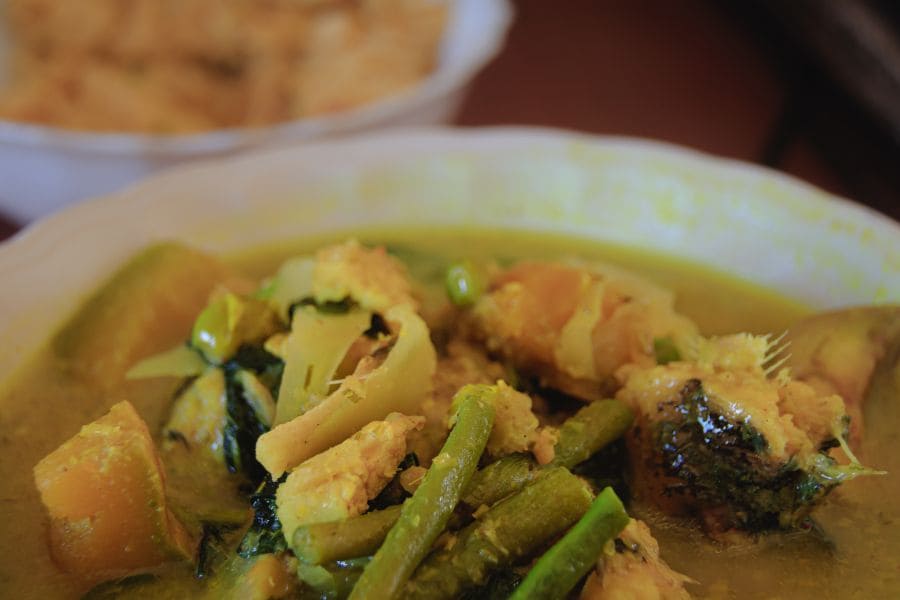
Amok (also spelled Amouk) is Cambodia’s unofficial national dish-fish (or other proteins) wrapped in banana leaves with coconut milk, spices, and topped with egg, then steamed.
Why this matters: Amok demonstrates Cambodian cooking philosophy perfectly. The banana leaf steaming technique creates subtle flavor infusion. The coconut milk base is balanced with spices. The egg adds richness. Each component plays a specific role.
Strategic approach: Try amok at different restaurants in Siem Reap and Phnom Penh. You’ll notice significant variation in spice level, coconut intensity, and protein quality. This reveals that Cambodian cuisine, like all sophisticated cuisines, has range and individual expression.
The Tonlé Sap Foundation: Fish-Based Cooking
Cambodia’s cuisine is fundamentally shaped by the Tonlé Sap Lake-Southeast Asia’s largest freshwater lake, which dramatically expands and contracts seasonally.
Fish (fresh and preserved) appears in nearly every Cambodian meal, either as a main protein or as a fermented ingredient (fish sauce, fish paste, fermented fish).
Key fish-based dishes:
Samlor Korkor (Fish soup): Clear broth with fish, turmeric, lemongrass, and herbs. It’s simple but represents authentic Cambodian comfort food.
Samlor Machu Kroeung (Sour soup): Tamarind-based soup (providing sourness) with fish and vegetables. The sourness-spice balance is central to Cambodian cooking.
Trey Aing (Grilled fish): Whole fish grilled and served with fish sauce dipping sauce and fresh herbs. The simplicity reveals ingredient quality.
Market Immersion: Understanding Cambodian Food Systems
Cambodian markets reveal food culture that Western cuisine has largely abandoned: seasonal eating, minimal waste, and nose-to-tail/whole-animal cooking.
Key markets:
Psar Thmei (Central Market, Phnom Penh): Art deco colonial structure, chaotic interior, genuine food trade. The variety of ingredients reflects Cambodian cooking’s ingredient palette.
Siem Reap Central Market: Similar energy but smaller, easier to navigate, serving primarily local customers.
Strategy: Visit markets early, hire a local guide to explain ingredients and seasonal patterns, purchase something to carry (signals genuine interest), observe which ingredients are abundant (seasonality indicator).
Cooking Classes with Cultural Context
Cambodian cooking classes are often integrated with cultural education about post-war food recovery and preservation of culinary traditions.
Why this matters: Cambodian cuisine nearly disappeared during the Khmer Rouge era (1975-1979). Modern cooking classes often emphasize cultural preservation and recovery.
What to look for:
- Classes that explain historical context
- Family-run classes (often run by women rebuilding culinary traditions)
- Classes that emphasize sustainable and local ingredient sourcing
- Multi-day or immersive options rather than one-hour tourist experiences
Laos: The Simplicity That’s Actually Sophisticated
Laotian cuisine is minimalist compared to Vietnamese or Thai cooking. It’s built on subtlety, freshness, and the Mekong River’s rhythm rather than complexity of technique.
The Foundation: Sticky Rice and Fish
Laotian cuisine’s foundation is remarkably simple: sticky rice (the primary staple), grilled fish (the primary protein), and whatever vegetables and herbs are available seasonally.
Why this matters: Laotian cooking achieves sophistication through ingredient quality and respect for natural flavors, not through complex techniques. A perfectly grilled fish with lime juice and chili isn’t “simple food”-it’s refined expression of ingredient focus.
Key Laotian Dishes
Larb (Meat salad): Ground meat (pork, duck, beef, or fish) mixed with fish sauce, lime juice, toasted rice powder, and fresh herbs. It represents Laotian cooking in one dish-balance of salty, sour, spicy, and herbal.
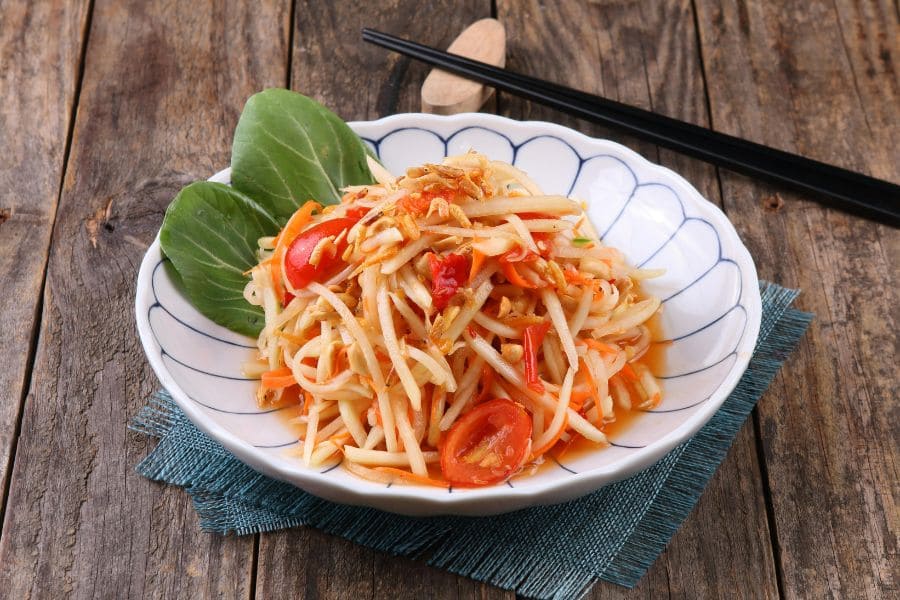
Papaya Salad (Som Tam): Shredded green papaya, lime juice, fish sauce, chili, and peanuts. Similar balance to larb, but vegetable-focused.
Grilled Fish: Often the centerpiece meal, served with sticky rice, raw vegetables, and dipping sauces.
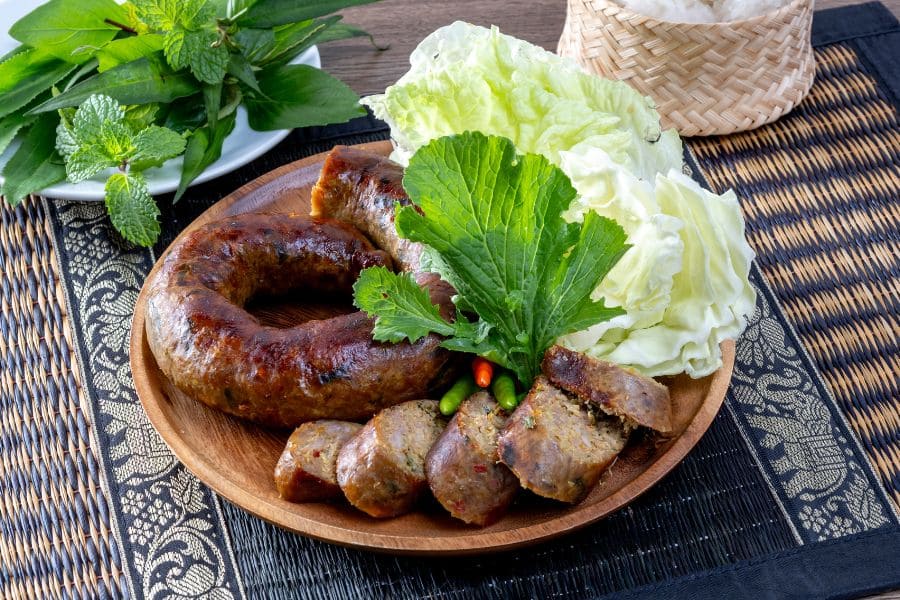
Sour Sausage (Sai Oua): Lao fermented sausage with herbs, lemongrass, and galangal. Represents fermented preservation traditions.
Market Navigation and Cooking Classes
Laotian markets are less chaotic than Vietnamese or Cambodian markets, reflecting the region’s slower pace.
Vientiane Central Market: Genuine neighborhood market, relatively orderly, good cross-section of Laotian ingredients.
Cooking classes in Laos are often smaller and more intimate than in Vietnam or Cambodia. Look for family-run operations in towns like Luang Prabang or Vang Vieng.
Beyond Basic Tourism: Advanced Food and Culinary Travel Strategies
Now that we’ve covered regional cuisines, here’s how to actually build food and culinary travel guide Southeast Asia into your itinerary:
Strategy 1: The “Slow Food” Approach
Rather than sampling maximum dishes, spend time understanding fewer dishes deeply. Try the same dish (e.g., phở) at multiple locations across different regions. Observe variations, discuss with makers, develop genuine understanding.
This approach yields deeper memories and knowledge than rapid sampling.
Strategy 2: Food-Focused Itinerary Construction
Build your itinerary around food landmarks and food seasons:
In Vietnam: Visit Hanoi (northern cuisine), Central regions (distinct regional style), and Ho Chi Minh City (southern cuisine). Time visits to food festivals if possible.
In Cambodia: Spend time both in urban markets (Phnom Penh) and rural Tonlé Sap communities. Understand fish-based cooking in its geographic context.
In Laos: Take time to understand sticky rice culture and grilled fish traditions in smaller communities, not just tourist-heavy Luang Prabang.
Strategy 3: Building Relationships with Food Makers
The best food and culinary travel experiences come from relationships. Return to the same street vendor multiple times. Ask questions. Learn their story.
Many street vendors have been in the same location for 20-40 years. They’re not tourist attractions-they’re masters of their craft. Treating them with respect and genuine interest creates entirely different interactions.
Strategy 4: Integrating Wellness and Dietary Preferences
Southeast Asian cuisines can accommodate various dietary preferences:
Vegetarian/Vegan: All three countries have strong vegetarian traditions. Request vegetables-only preparations, skip fish sauce (or substitute soy sauce), and you’ll find abundant options.
Allergen concerns: Fish sauce and shrimp paste appear widely. Communicate clearly with restaurants and food makers about allergies.
Health-conscious eating: Southeast Asian cuisine’s emphasis on fresh herbs, vegetables, and minimal processing naturally supports health-conscious eating.
2026 Food and Culinary Travel Guide Southeast Asia Trends
Several trends are reshaping how travelers engage with Southeast Asian food:
Michelin Recognition: In January 2024, Michelin expanded its guide to include street food vendors in Southeast Asia (Bangkok and Singapore initially). This legitimizes street food as world-class cuisine, validating what locals have always known.
Sustainability Focus: Modern food and culinary travel emphasizes farm-to-table experiences, reducing food waste, and supporting local farmers directly.
Digital Food Influencing: Instagram and food blogs have amplified interest in Southeast Asian food globally, creating a feedback loop where international attention supports local food businesses.
Multi-day Immersive Experiences: Rather than one-hour cooking classes, travelers increasingly seek 3-7 day culinary immersions combining market education, cooking, and cultural context.
Chef-led Experiences: High-end culinary tourism now includes private chef experiences where renowned chefs guide guests through markets and prepare meals in private settings.
Practical Tips: Making Food and Culinary Travel Guide Southeast Asia Work for You
Street Food Safety: Southeast Asian street food is generally very safe. Look for busy vendors (high turnover = fresh food), avoid pre-prepared dishes sitting in warmers, and when in doubt, watch how locals eat before ordering.
Language Navigation: Learn 3-5 food-related words in the local language. “Không cay” (not spicy in Vietnamese) or “Ôi voi sai” (balance flavors in Lao) goes a long way toward respectful engagement.
Photographing Food: Street vendors often appreciate photography as long as you purchase and eat. Always ask permission before photographing people.
Budgeting: Exceptional street food costs $1-3 per meal. Mid-range restaurants cost $5-15. Fine dining in major cities costs $30-100+.
Dietary Communication: Have dietary requirements written in the local language when possible. Restaurants are generally accommodating once they understand your needs.
Conclusion: Food as Cultural Bridge
Food and culinary travel guide Southeast Asia isn’t ultimately about collecting exotic flavors or trying unusual ingredients. It’s about recognizing that cuisine is culture-it’s history, geography, adaptability, values, and identity expressed through cooking and eating.
When you genuinely engage with Southeast Asian food-trying the same dish multiple ways, visiting markets, taking time to understand regional differences, developing relationships with food makers-you’re doing something far more meaningful than tourism. You’re honoring the region’s cultural heritage while supporting the communities that maintain these traditions.
The most memorable Southeast Asia experiences often happen over meals-at street stalls, in home kitchens, in markets, at shared tables. Food creates the condition for genuine human connection that transcends language barriers and cultural differences.
Ready to experience Southeast Asia through its culinary traditions? Working with travel professionals who understand how to integrate authentic food and culinary travel guide Southeast Asia into your itinerary makes all the difference. Whether you’re seeking street food authenticity, family cooking classes, or sophisticated dining experiences, we specialize in designing Vietnam vacation packages that prioritize genuine culinary engagement and cultural understanding.
Your most delicious and meaningful Southeast Asia adventure is waiting-one meal, one conversation, and one flavor at a time.
0 Comment