
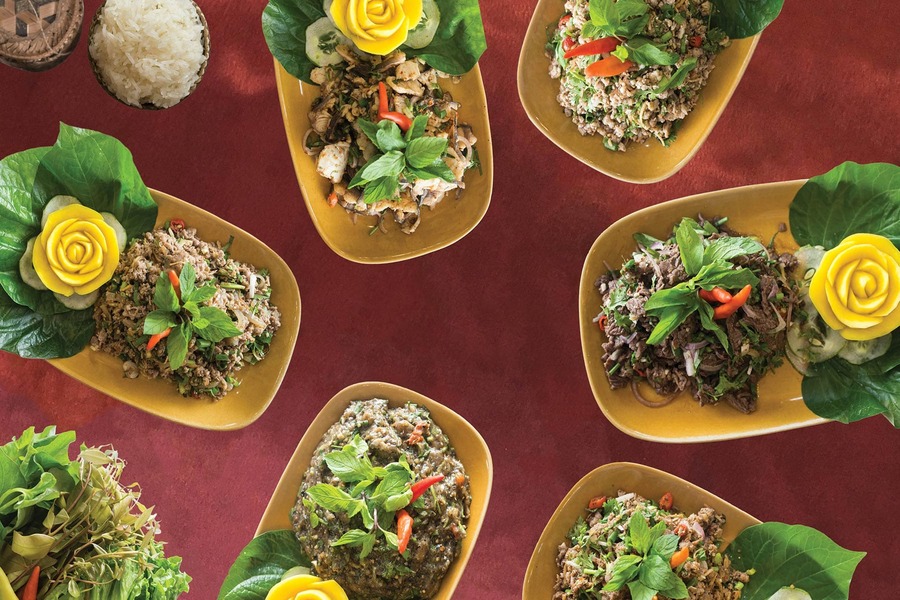
Dishes in Laos deliver a surprisingly bold, smoky, and herbaceous flavor profile that sets Laotian cuisine apart from its more famous neighbors like Thailand and Vietnam. After years of guiding groups of Laos tours through bustling night markets in Luang Prabang, family-run eateries in Vientiane, riverside stalls in Vang Vieng, and remote villages on the Bolaven Plateau, we’ve tasted hundreds of variations and learned what makes Laotian food truly special.
While Thai and Vietnamese cuisines often steal the spotlight with their global fame, Laotian dishes quietly emphasize fresh herbs, fermented ingredients, charcoal-grilled smokiness, and the indispensable sticky rice. The cuisine reflects the country’s rural lifestyle, abundant rivers (especially the Mekong), mountainous terrain, and rich ethnic diversity from the Hmong and Akha in the north to the lowland Lao and southern communities. In 2026, with improved tourism infrastructure and growing interest in authentic experiences, now is the perfect time to explore these underrated flavors.
This expanded guide dives deeper into the top 12 must-try dishes in Laos, with detailed descriptions, ingredients, preparation methods, regional variations, where to find the best versions, and practical tips from real on-the-ground experience. Whether you’re a street food hunter or prefer a sit-down meal, these foods will give you an authentic taste of Laos.
Why Laotian Cuisine Feels So Unique & Different from Neighbors
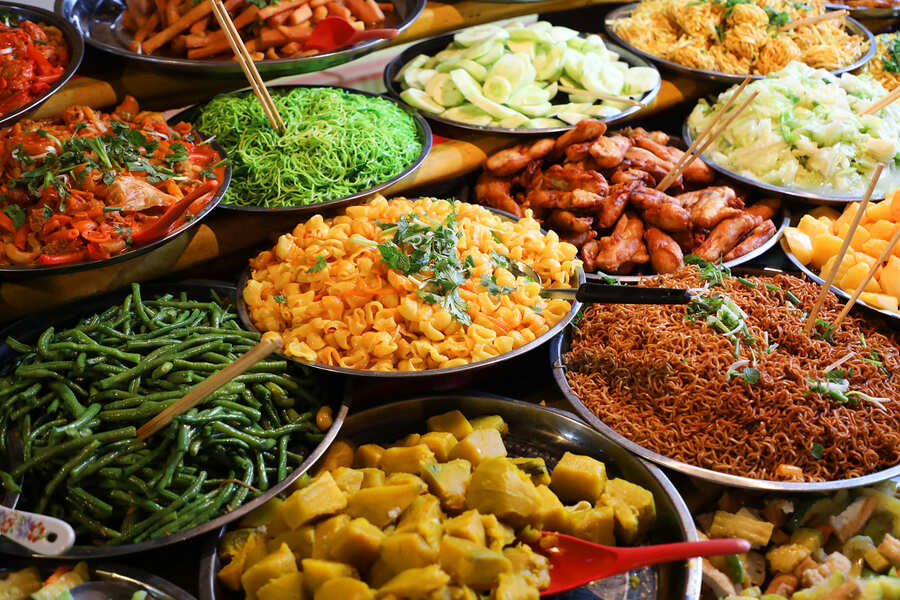
Laos food stands out for several distinctive reasons that make it both humble and intensely flavorful:
- Heavy use of local pepperwood (mak phak or sakhaan) — This woody vine gives a distinctive, slightly numbing heat unlike regular chili.
- Fermentation as a core technique — Ingredients like paedek (fermented fish sauce), nam pu (crab paste), and fermented bamboo add deep umami and funkiness.
- Sticky rice (khao niew) as the main carbohydrate — Unlike jasmine rice in Thailand or Vietnam, sticky rice is steamed, eaten by hand, and used like bread to scoop sauces and meats.
- Abundance of fresh herbs — Mint, dill, sawtooth coriander, lemongrass, and holy basil appear in almost every dish, creating bright, aromatic profiles.
- Balance of flavors — Sour (lime), spicy (chili), salty (fish sauce), and smoky (charcoal grilling) create harmony without overwhelming sweetness.
- Nose-to-tail & river-to-table approach — Dishes often use offal, insects, or foraged items, reflecting sustainable rural traditions.
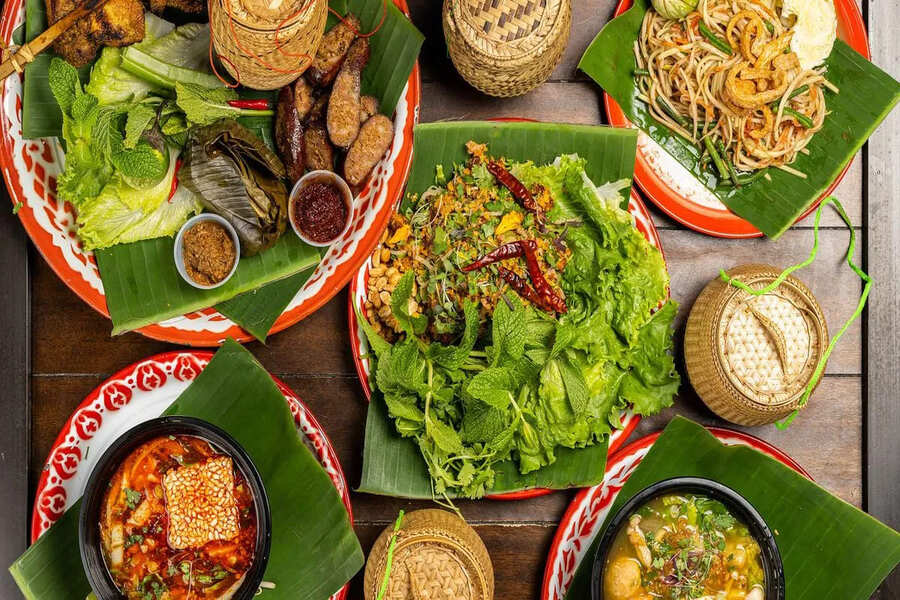
Meals are typically communal: shared plates, sticky rice baskets, and trays of fresh herbs/veggies for wrapping. In 2026, sustainability efforts and community-based tourism have made many experiences more ethical and immersive.
Essential Laos Street Food & Snacks to Try First
Street food in Laos is inexpensive (often $1–3 per portion), flavorful, and found everywhere—from Luang Prabang’s night market to roadside stalls in Vientiane and Vang Vieng. These are quick, portable, and perfect for on-the-go tasting.
1. Khao Niew (Sticky Rice) – The Heart of Every Meal
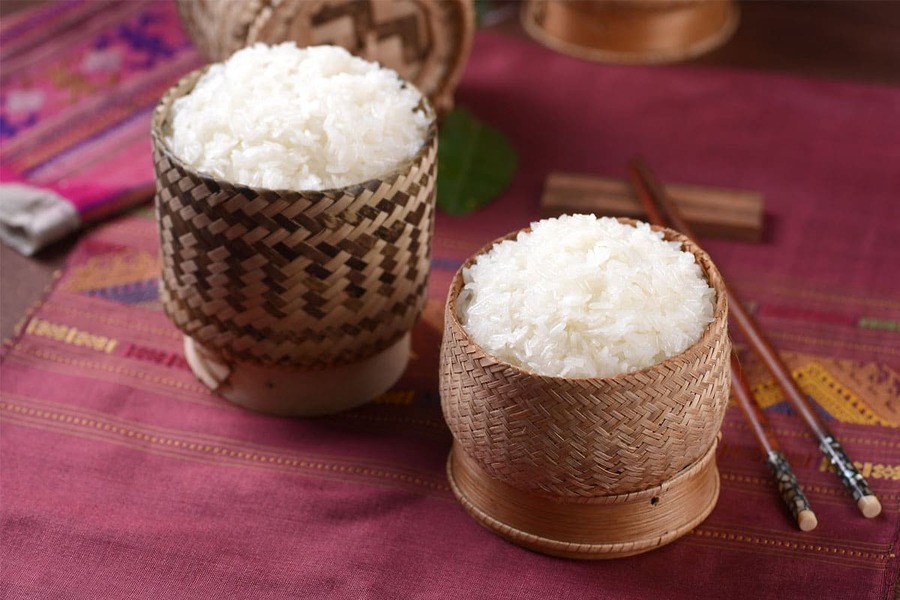
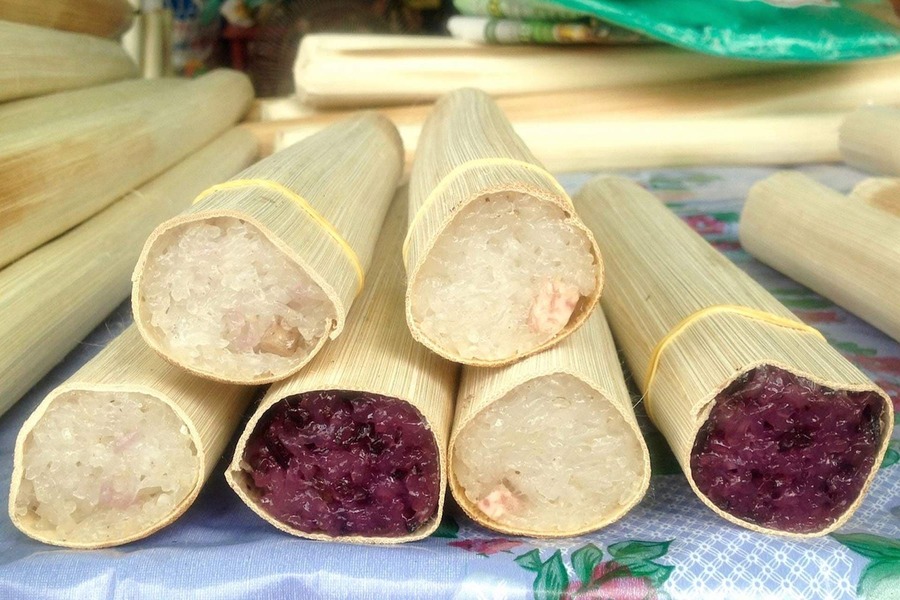
Sticky rice is not just a side—it’s the foundation of Laotian meals. Locals consume more sticky rice per capita than anywhere else in the world, believing it “holds communities together.”
How it’s prepared and served:
- Steamed in a traditional bamboo basket (huat) for 30–45 minutes until translucent and chewy.
- Eaten by hand: pinch a small amount, roll into a ball, dip into sauces, soups, or salads.
- Varieties include white (most common), purple (with natural coloring), and black (nutty flavor).
Pro tip: Always order a small basket (khao niew noi) when trying new dishes—it balances spicy or fermented flavors perfectly. In Luang Prabang, try it fresh from morning market vendors; in Vientiane, pair it with grilled meats at night markets.
2. Laap (Larb) – Laos’ National Dish
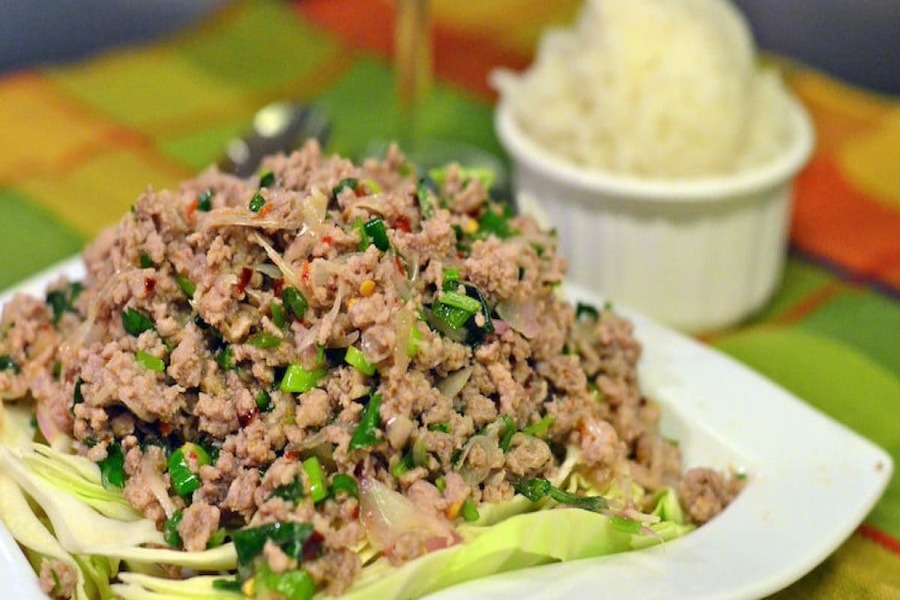
Laap is widely considered the signature dish of Laos—a minced meat “salad” that’s fresh, zesty, and packed with texture.
Popular variations:
- Laap gai (chicken) — light and everyday.
- Laap ped (duck) — richer, fattier, and more traditional in Luang Prabang.
- Laap paa (fish) — citrusy and fresh, often using Mekong river fish.
- Laap sin (beef or water buffalo) — hearty and popular in northern regions.
Core ingredients: toasted ground rice (for crunch), lime juice, fish sauce, shallots, mint, cilantro, and chili. The toasted rice powder is what makes it distinctly Laotian.
Where to try: Look for family-run spots in Luang Prabang (like Tamnak Lao restaurant) for the best duck laap. In Vientiane, street stalls serve it fresh with extra herbs.
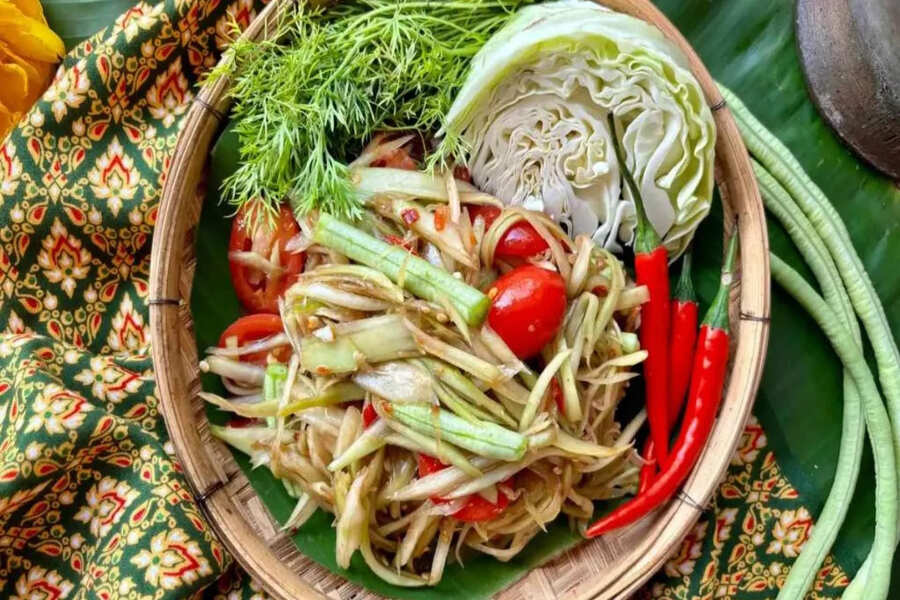
3. Tam Mak Hoong (Spicy Green Papaya Salad)
The Lao version of som tam is funkier and more intense than the Thai one, thanks to heavier use of crab paste (nam pu) and fermented fish sauce (paedek).
Common add-ins:
- Shredded green papaya
- Cherry tomatoes and long beans
- Lime juice and garlic
- Dried shrimp or crab
- Sometimes raw river crab (ask if sensitive to raw seafood)
Best enjoyed with sticky rice to cool the spice. In Luang Prabang, morning markets offer fresh versions; Vientiane night markets have spicier street-style takes.
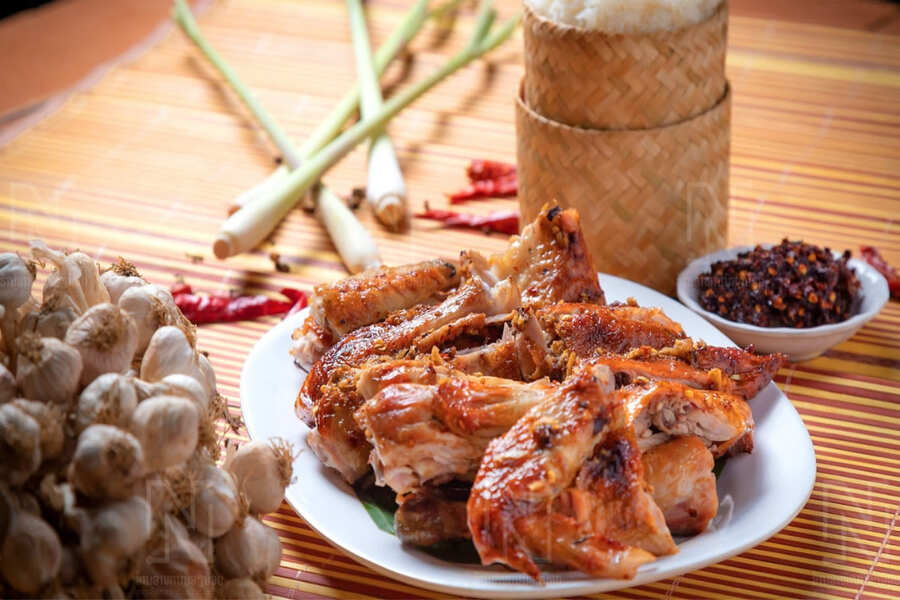
4. Ping Gai (Grilled Chicken) & Ping Sin (Grilled Meat)
Street-side charcoal grills are everywhere, filling the air with irresistible smoky aromas.
Top picks:
- Ping gai — whole chicken marinated in oyster sauce, black pepper, garlic, lemongrass, and soy, then grilled over charcoal.
- Ping sin haeng — sundried buffalo or beef strips, marinated and quickly grilled.
- Ping moo — pork skewers with similar marinade.
Served with sticky rice and jaew bong (chili-tamarind dip). In Vang Vieng, riverside stalls serve the juiciest versions; Luang Prabang has premium grilled meats at night markets.
5. Khao Soi Laos – Hearty Noodle Soup
The Lao khao soi is richer and tomato-based compared to the creamy coconut Thai style—more like a comforting pork-tomato stew.
Typical ingredients:
- Thick, flat rice noodles
- Slow-cooked pork or chicken in a tomato-pork broth
- Pickled greens on top
- Crispy noodle topping
- Fresh herbs and lime
Find the best bowls at Luang Prabang night market stalls or family eateries in Vientiane. It’s hearty, slightly spicy, and perfect for cooler evenings.
Signature Traditional Dishes in Laos You Should Seek Out
These restaurant and home-cooked specialties showcase the depth of Laotian cuisine, often using foraged or river ingredients.
6. Or Lam – Smoky Eggplant & Meat Stew
Or lam is a northern Lao classic, famous for its liberal use of mak phak (Lao pepperwood), which gives a unique peppery, almost numbing heat.
Usually made with:
- Grilled eggplant for smokiness
- Water buffalo, beef, or chicken
- Snake beans and mushrooms
- Fresh dill and herbs
- Sometimes bamboo shoots
Best tasted in Luang Prabang where the pepperwood is freshest—try it at Tamnak Lao or local cafes.
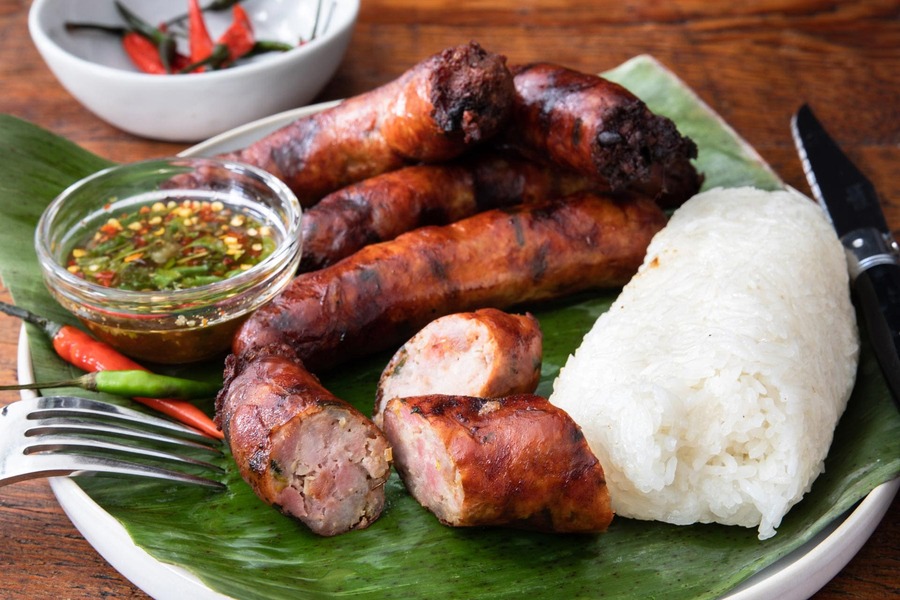
7. Sai Oua – Luang Prabang Herbal Sausage
This northern pork sausage is loaded with lemongrass, galangal, kaffir lime leaves, dill, and chili—then grilled over charcoal for a juicy, smoky finish.
Texture: aromatic and slightly spicy. Best eaten with sticky rice and jaew mak len (tomato-chili dip). In Luang Prabang, night market vendors grill them fresh.
8. Kaipen – Crispy Mekong River Weed
A Luang Prabang specialty—sheets of dried river algae (similar to nori) seasoned with sesame seeds, garlic, and chili, then deep-fried.
Crunchy, salty, and addictive—perfect with Beerlao. Many visitors call it their favorite beer snack in Laos. Find it at Luang Prabang markets.
9. Jaew Bong – Laos’ Ultimate Chili Dip
This smoky, sweet, and spicy dip is made from dried chili, shallots, garlic, tamarind, palm sugar, and fish sauce.
Uses:
- Dip for sticky rice
- Spread on grilled meats
- Stirred into noodle soups
Every Lao table has a version—spiciness varies by region. In Vientiane, street vendors sell jars as souvenirs.
10. Tam Mak Thai / Tam Mak Mouang – Green Mango or Papaya Salad Variations
Similar to tam mak hoong, but focused on unripe mango (mak mouang) or other fruits.
Slightly sweeter and less funky than papaya version—great for beginners. Common in southern markets.
11. Khao Nom Kok – Mini Coconut Pancakes
Sweet street snack made in a special cast-iron pan.
Texture: crispy outside, soft and custardy inside. Often served in pairs to form a little ball. Night markets in Luang Prabang and Vientiane are best spots.
12. Lao Lao & Herbal Infusions
Lao Lao (rice whiskey) is the national spirit—often infused with herbs, roots, or fruits.
Popular varieties:
- Ginger lao lao (warming and aromatic)
- Ginseng lao lao (energizing)
- Snake lao lao (for the adventurous)
Sipped slowly with sticky rice snacks. Try responsibly—it’s strong!
Practical Tips for Eating Like a Local in Laos 2026
To make the most of dishes in Laos:
- Always order sticky rice — it’s the perfect companion to almost everything and helps balance intense flavors.
- Ask for “pet nit noi” (a little spicy) if you want heat — Lao cooks often tone it down for foreigners, but you can request more.
- Night markets (Luang Prabang, Vang Vieng, Vientiane) are the best places for variety, low prices, and people-watching.
- Look for small family-run restaurants (“ban lao”) for the most authentic flavors — they often serve home-style versions.
- Drink Beerlao Gold or the harder-to-find Beerlao White with meals — it’s crisp and pairs perfectly with grilled and spicy foods.
- Be cautious with Mekong river fish — some areas have ongoing contamination concerns from upstream pollution (mercury, heavy metals); opt for farmed fish, upland meats, or grilled options if worried.
- Vegetarian options exist (especially in Luang Prabang) — ask for “jay” (vegan) or “mang sai” (vegetarian); many salads and soups adapt easily.
- Join a cooking class — Luang Prabang has excellent ones where you learn to make laap, tam mak hoong, and sticky rice from scratch.
- Carry cash — small bills for street food; many vendors don’t accept cards.
- Hygiene note — choose busy stalls (high turnover) and bottled water.
Laos food may not be as internationally hyped as its neighbors, but that’s exactly what makes it special. The smoky grills, pungent ferments, fresh herbs, and ever-present sticky rice create a cuisine that feels deeply connected to the land, rivers, and people.
Once you’ve spent a few days dipping sticky rice into jaew, grilling chicken over roadside coals, crunching on kaipen with a cold Beerlao, and savoring the numbing heat of or lam, you’ll understand why so many travelers fall in love with dishes in Laos. It’s humble, bold, and unforgettable. Safe travels and happy eating!
0 Comment