
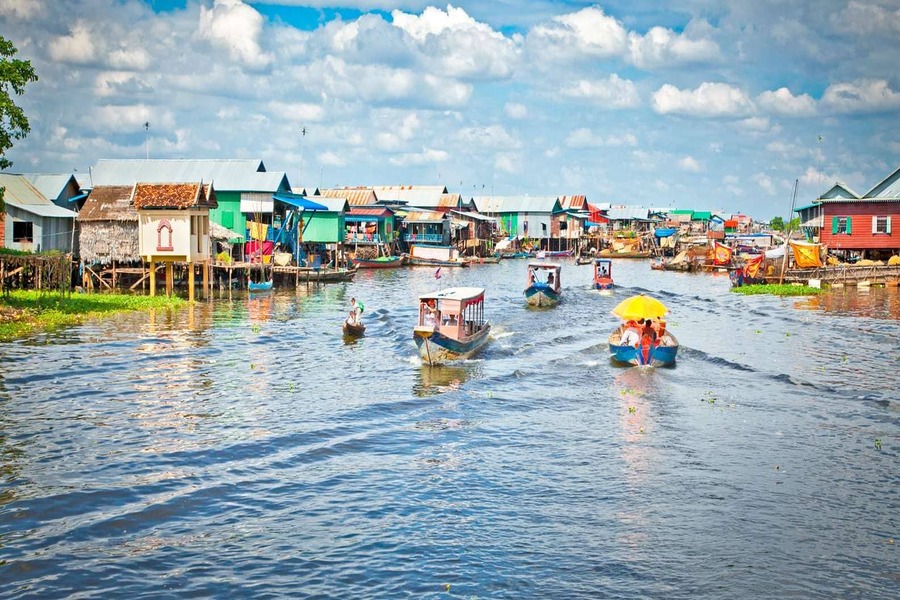
Tonlé Sap Lake pulses as Cambodia’s vital artery, swelling dramatically with monsoons to nurture biodiversity and floating villages that defy land-bound life. This UNESCO biosphere reserve blends ecological marvels with resilient human stories, drawing explorers to its shimmering expanses.
Discover Tonlé Sap Lake Cambodia’s secrets, from seasonal rhythms to immersive tours. Whether chasing floating-worthy sunsets or ethical encounters in floating villages Tonlé Sap, this guide equips for unforgettable, responsible Vietnam Cambodia trips.
What Makes Tonlé Sap Lake Unique? A Seasonal Marvel of Expansion
Tonlé Sap Lake stands as Southeast Asia’s largest freshwater body, covering 2,500 km² in dry season yet ballooning to 16,000 km² during floods—five times its size.
- Hydraulic Phenomenon: Monsoon reverses the Tonle Sap River’s flow, flooding forests and depositing nutrient-rich silt.
- Global Significance: UNESCO-designated in 1997 for its flooded forest ecosystem, supporting 500 fish species.
- Economic Lifeline: Feeds 75% of Cambodia’s protein via fisheries; sustains 1.7 million residents.
This dynamic rhythm defines Tonlé Sap biodiversity, creating a “beating heart” unlike static lakes worldwide.
Tonlé Sap Biodiversity: A Thriving Wetland Wonderland
Tonlé Sap biodiversity rivals the Amazon, hosting endangered species amid mangroves and submerged woods.
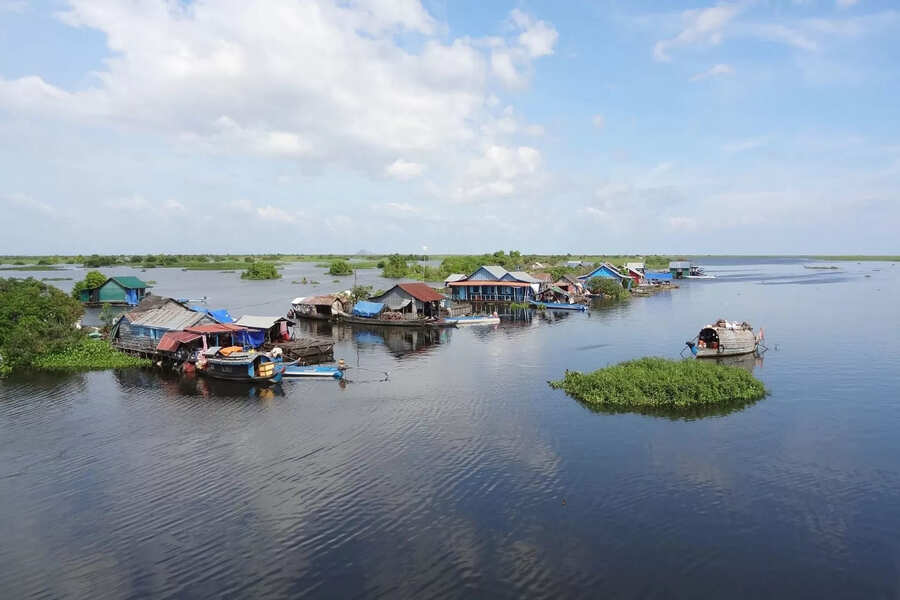
Flora and Fauna Highlights
Flooded galleries teem with life cycles tied to water levels.
- Avian Paradise, Birds and Reptiles: Over 200 bird species like spot-billed pelicans; Siamese crocodiles in sanctuaries.
- Aquatic Riches: Catfish migrations yield 500,000 tons annually; rare Irrawaddy dolphins sporadically appear.
- Vegetation Zones: Gallery forests filter pollutants; lotus fields bloom vibrantly post-monsoon.
Conservation efforts combat overfishing, with 2026 eco-zones expanding protections.
Ecological Challenges and Wins
Climate change alters floods, threatening Tonlé Sap fishing communities.
- Threats: Dams upstream reduce silt; plastic pollution chokes habitats.
- Successes: Community patrols release 1 million fingerlings yearly; bird sanctuaries like Prek Toal draw eco-tourists.
- Visitor Impact: Low-waste tours preserve this UNESCO jewel.
Biodiversity thrives through balanced human-nature symbiosis.
Floating Villages Tonlé Sap: Nomadic Lives on Water
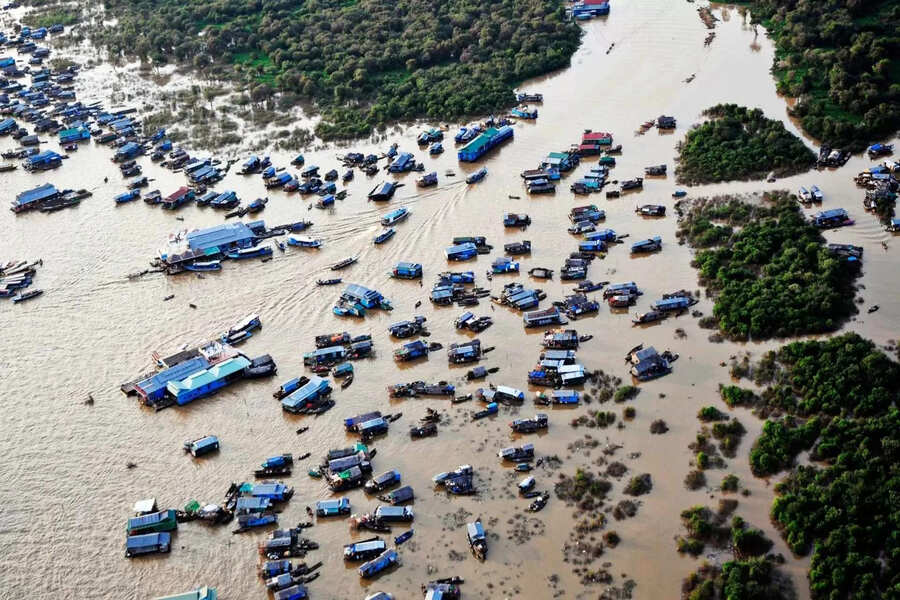
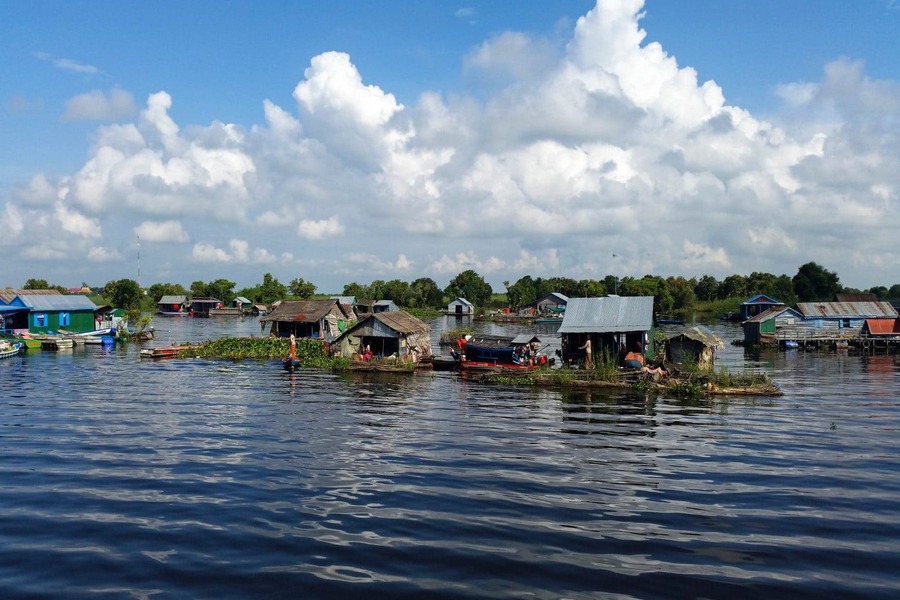
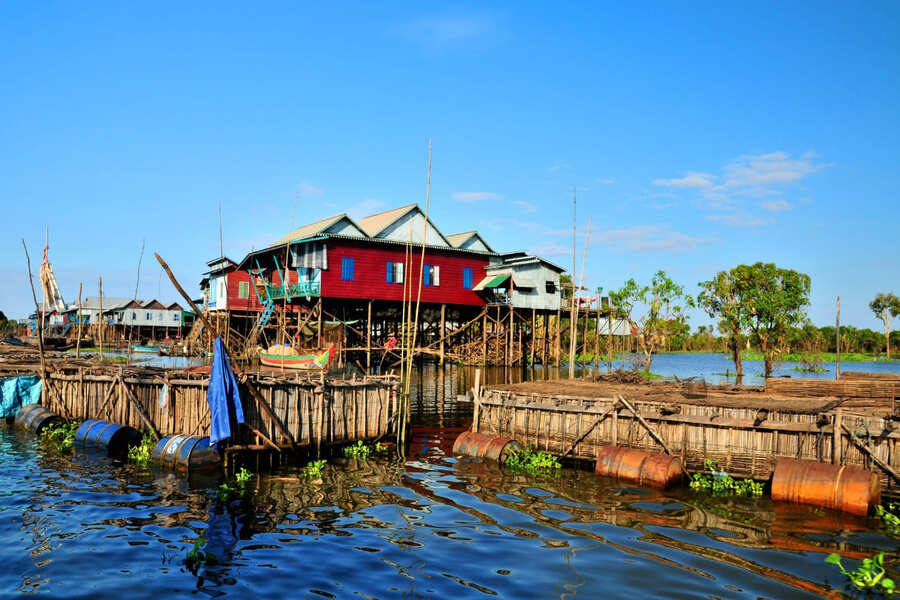
Floating villages Tonlé Sap showcase ingenuity, with homes bobbing on bamboo rafts or stilts adapting to 10m rises.
Key Villages Explored
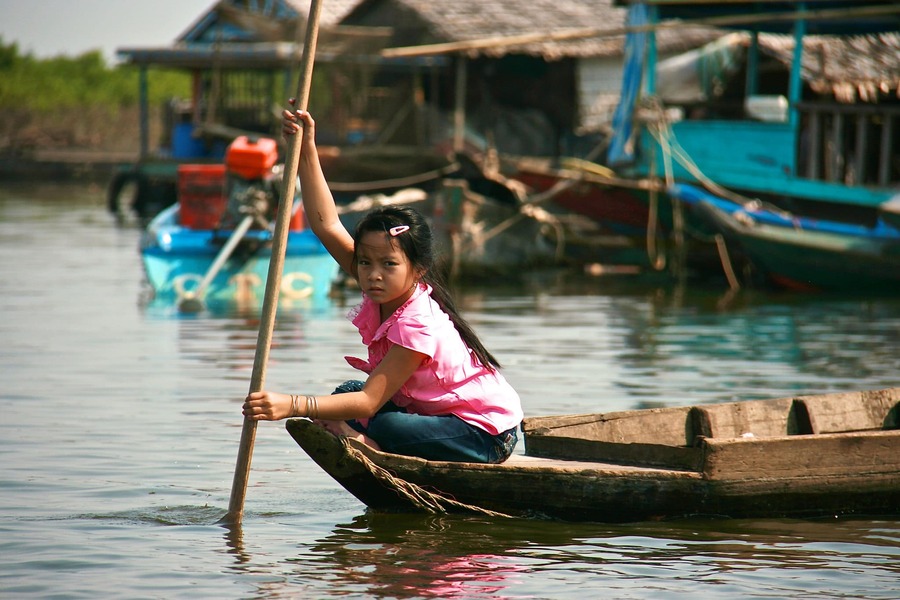
Chong Kneas serves as gateway; Kampong Phluk offers stilted authenticity.
- Chong Kneas: Tourist hub with schools and markets afloat; Vietnamese-Cambodian mix.
- Kampong Khleang: Less-visited giant, housing 10,000; canoe through submerged forests.
- Kampong Phluk: Mangrove-ringed; high stilts reveal dry-season undersides.
These communities embody resilience in Tonlé Sap fishing communities.
Daily Life and Traditions
Fishing nets dawn-to-dusk routines; crocodile farms supplement incomes.
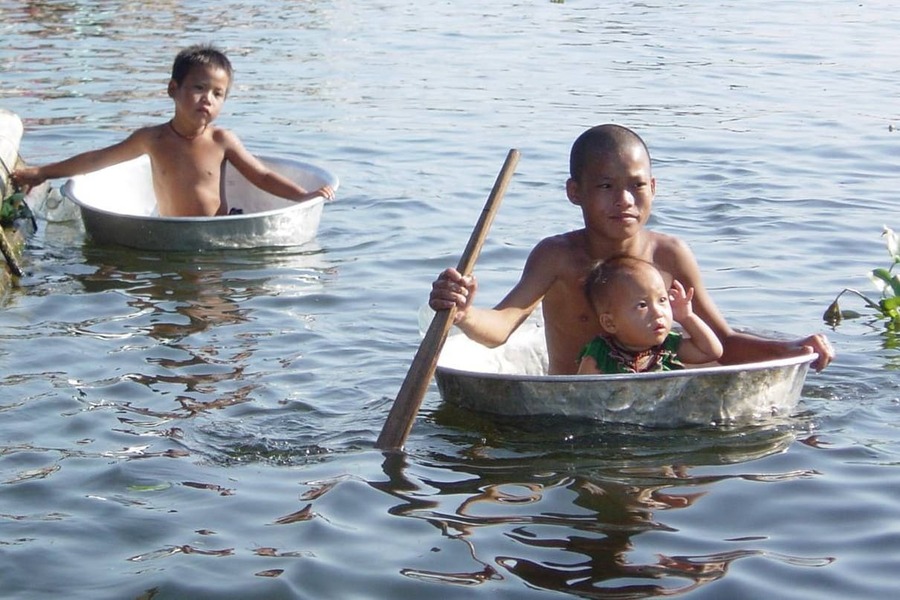
- Livelihoods: Women vend fish; children paddle to floating schools.
- Cultural Blend: Vietnamese influences in Catholic churches; Khmer festivals on boats.
- Challenges: Sanitation issues; education gaps amid migrations.
Ethical visits support locals via homestays.
Best Time to Visit Tonlé Sap: Seasonal Strategies
Best time to visit Tonlé Sap aligns with water levels for optimal experiences.
Dry Season (November-April): Accessible Adventures
Low waters expose villages on stilts.
- Pros: Boat to mangroves; birdwatching peaks in Prek Toal (December-February).
- Cons: Muddy channels; fish scarcer.
- Weather: Cool 25-30°C; ideal for combos with Angkor.
This period suits first-timers eyeing Tonlé Sap boat tour ease.
Wet Season (May-October): Expansive Drama
Lake swells, submerging forests into green seas.
- Pros: Lush landscapes; higher fish yields for authentic fishing demos.
- Cons: Heavy rains; potential floods disrupt access.
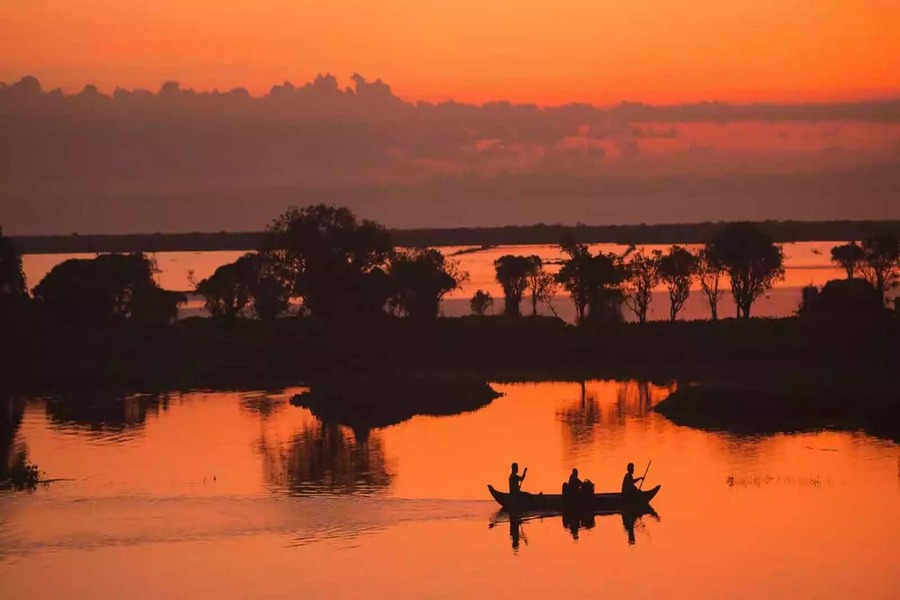
- Highlights: July-September sunsets mirror infinity; fewer crowds.
Best time to visit Tonlé Sap for photographers: golden hour floods.
Tonlé Sap Boat Tour: Essential Experiences and Tips
Tonlé Sap boat tour options range from half-day jaunts to multi-day immersions.
Popular Routes from Siem Reap
60km south, tours depart docks like Phnom Krom.
- Standard Half-Day ($20-30): Cruise to Chong Kneas; visit fish farms and souvenir shops.
- Sunset Extensions: Golden hues over water; add $
Advanced and Eco Tours
Kayak through mangroves for intimacy.
- Bird Sanctuary Add-On: Prek Toal reserve; spot rare adjutants ($50+ with guides).
- Overnight Stays: Floating guesthouses in remote villages; starlit skies.
- Private Charters: Customize for photography; avoid peak hours for serenity.
Book via reputable operators; life jackets mandatory in 2026 regulations.
Practical Tour Tips
- What to Bring: Sunscreen, hats, binoculars; insect repellent for evenings.
- Costs Breakdown: Entrance fees $5; boats $15-25 shared.
- Etiquette: Ask permission for photos; tip guides supporting communities.
These elevate Tonlé Sap boat tour memories.
Tonlé Sap Fishing Communities: Heartbeat of the Lake
Tonlé Sap fishing communities harvest 230,000 tons yearly, blending tradition with trials.
Sustainable Practices
Net mending and smokehouses define rhythms.
- Techniques: Gill nets and traps; seasonal bans protect spawns.
- Women’s Roles: Processing prahok (fermented fish); market bargaining.
- Innovations: Aquaculture cages reduce wild strain; cooperatives empower.
Encounters reveal untold stories of adaptation.
Socio-Economic Realities
Poverty affects 40%; tourism injects $10M annually.
- Education Initiatives: Floating schools teach Khmer and Vietnamese.
- Health Access: Mobile clinics combat waterborne diseases.
- Future Hopes: Eco-tourism jobs shift from over-reliance on fish.
Supporting artisans buys direct sustainability.
Conservation Efforts Around Tonlé Sap Lake
Conservation safeguards Tonlé Sap Lake amid threats like hydropower.
Key Initiatives
UNESCO coordinates with NGOs.
- Reforestation: Mangrove plantings restore habitats; community nurseries.
- Anti-Poaching: Patrols curb illegal nets; drone monitoring in 2026.
- Tourism Guidelines: Carry-in-carry-out policies; capped visitor numbers.
Participation funds these vital works.
Visitor Contributions
- Responsible Choices: Plastic-free tours; support certified guides.
- Volunteering: Clean-ups or bird counts via organizations.
- Awareness Spread: Share experiences to boost global aid.
Collective action preserves this wonder.
How to Get to Tonlé Sap Lake: Access and Logistics
Reaching Tonlé Sap Lake from Siem Reap takes 1-2 hours.
Transport Options
- Tuk-Tuk ($15-20): Scenic but dusty; shared for budgets.
- Private Car: Comfortable AC; $30-50 round-trip.
- Bus Combos: To Kampong Chhnang for southern edges.
Flights to Siem Reap connect internationally.
Accommodation Nearby
- Siem Reap Bases: Hotels with tour packages; eco-lodges.
- Lakeside Stays: Floating bungalows in villages; basic but immersive.
- 2026 Updates: Electric boats reduce noise pollution.
Plan ahead for seamless arrivals.
Frequently Asked Questions About Tonlé Sap Lake
What Is Special About Tonlé Sap Biodiversity?
Tonlé Sap biodiversity includes flooded forests hosting rare birds and fish nurseries.
When Is the Best Time to Visit Tonlé Sap for Tours?
Best time to visit Tonlé Sap dry season offers accessibility; wet for vast waterscapes.
How to Experience Floating Villages Tonlé Sap Ethically?
Floating villages Tonlé Sap via guided tours; respect privacy and buy local.
What Activities on a Tonlé Sap Boat Tour?
Tonlé Sap boat tour features village hops, fishing demos, sunset views.
Tonlé Sap Lake captivates with its expansions, villages, and life-teeming waters—a testament to nature’s ingenuity and human spirit. From Tonlé Sap biodiversity wonders to floating villages Tonlé Sap tales, heed the best time to visit Tonlé Sap and ethical paths for journeys that nourish soul and ecosystem alike.
0 Comment