
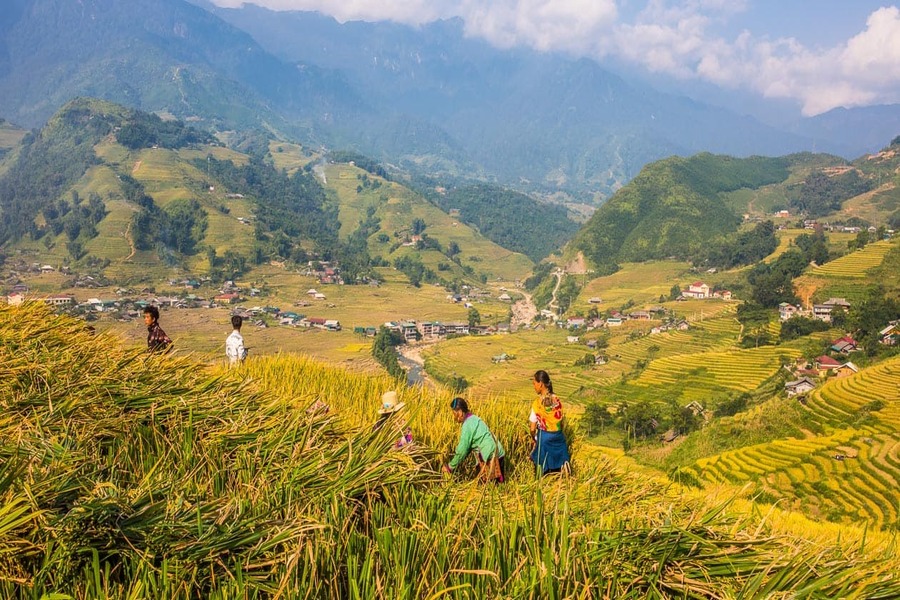
Sapa Vietnam captivates travelers with its stunning rice terraces, misty peaks, and vibrant ethnic cultures, making it a top destination for those seeking an unforgettable adventure in northern Vietnam. This mountainous haven offers a perfect blend of natural beauty and cultural immersion, far from the hustle of urban life.
Nestled in the Hoang Lien Son mountains near the Chinese border, Sapa Vietnam stands as a gateway to Vietnam’s northwest highlands. Visitors flock here for the dramatic landscapes, cool climate, and authentic experiences with local hill tribes. Whether planning a short getaway or an extended trek, this guide covers everything needed for a seamless trip to Sapa Vietnam tours in 2026.
Why Visit Sapa Vietnam in 2026?
Sapa Vietnam continues to evolve as a premier travel spot, with improved infrastructure and sustainable tourism initiatives enhancing the experience. The region’s unique appeal lies in its diverse offerings, from challenging hikes to relaxing village stays.
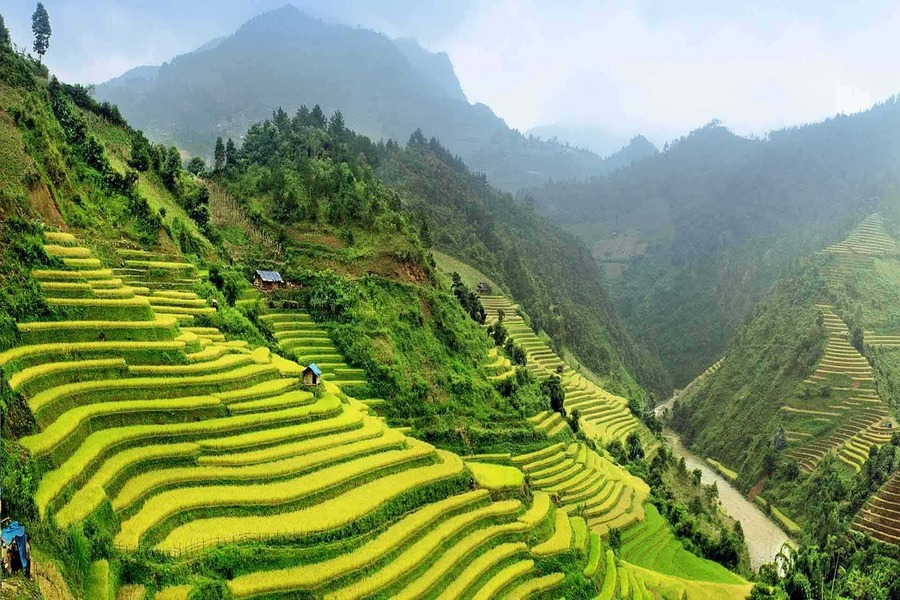
In 2026, Sapa Vietnam benefits from expanded eco-friendly accommodations and better transport links, making it easier than ever to explore. The area’s recognition as a UNESCO-recognized cultural landscape underscores its global significance, drawing adventurers who crave off-the-beaten-path discoveries.
Key reasons to add Sapa Vietnam to any itinerary include:
- Spectacular scenery: Endless tiers of emerald rice fields cascading down mountainsides.
- Cultural richness: Interactions with H’mong, Dao, and other ethnic groups preserving ancient traditions.
- Adventure opportunities: From gentle walks to multi-day treks across valleys.
- Affordable access: Budget-friendly options for food, stays, and activities.
With tourism rebounding strongly, 2026 promises fewer crowds in shoulder seasons, allowing for more intimate explorations of Sapa Vietnam attractions.
Sapa Vietnam Weather: What to Expect Year-Round
Understanding Sapa Vietnam weather is crucial for planning, as the high altitude creates distinct seasons unlike the tropical lowlands.
Sapa Vietnam experiences four seasons, with temperatures ranging from near-freezing in winter to mild warmth in summer. The elevation around 1,650 meters above sea level contributes to frequent mists and sudden changes.
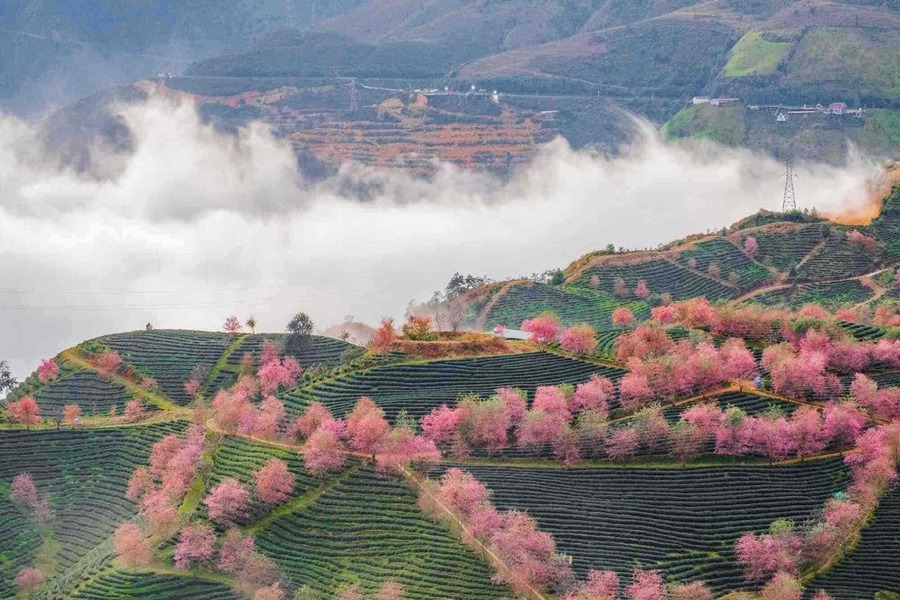
- Spring (March to May): Mild days with blooming flowers; average highs of 20-25°C, ideal for outdoor activities.
- Summer (June to August): Warmer and humid, with occasional rain; perfect for viewing lush green terraces.
- Autumn (September to November): Clear skies and golden harvest colors; temperatures around 15-20°C.
- Winter (December to February): Cold and foggy, sometimes with frost or snow; lows can dip to 0°C.
Pack layers regardless of the season, as evenings cool quickly in Sapa Vietnam.
Best Time to Visit Sapa Vietnam for Unforgettable Experiences
Choosing the best time to visit Sapa Vietnam depends on personal preferences, but certain periods stand out for specific highlights.
September to November ranks as the prime window, when the rice terraces glow in golden hues during harvest. This season offers stable weather for trekking and photography, with fewer rains interrupting plans.
March to May provides another excellent option, featuring vibrant spring blooms and comfortable temperatures for exploring Sapa Vietnam attractions without the summer humidity.
Avoid July and August if sensitive to rain, as monsoons can make trails slippery. Winter appeals to those seeking a snowy wonderland, though it limits some outdoor pursuits.
For festival enthusiasts, time a trip around Tet (January/February) or the Sapa Love Market in spring for cultural spectacles.

How to Get to Sapa Vietnam: Easy Transportation Options
Reaching Sapa Vietnam has become straightforward with multiple routes from major hubs like Hanoi.
The most popular method involves a 5-6 hour drive from Hanoi, either by private car or shuttle bus. Comfortable sleeper buses depart frequently, offering Wi-Fi and reclining seats for around $15-20 USD.
Train enthusiasts can opt for the overnight service to Lao Cai station, followed by a 1-hour transfer to Sapa Vietnam. This scenic journey showcases rural landscapes and costs $25-40 USD for a soft berth.
Flying to Hanoi first is essential for international arrivals, with Noi Bai Airport serving as the gateway. From there, seamless connections make Sapa Vietnam accessible within a day.
Once in town, rent a motorbike for $5-10 USD daily to navigate independently, or join guided tours for hassle-free exploration.
Top 10 Must-See Sapa Vietnam Attractions
Sapa Vietnam attractions blend natural wonders with cultural landmarks, ensuring something for every traveler.
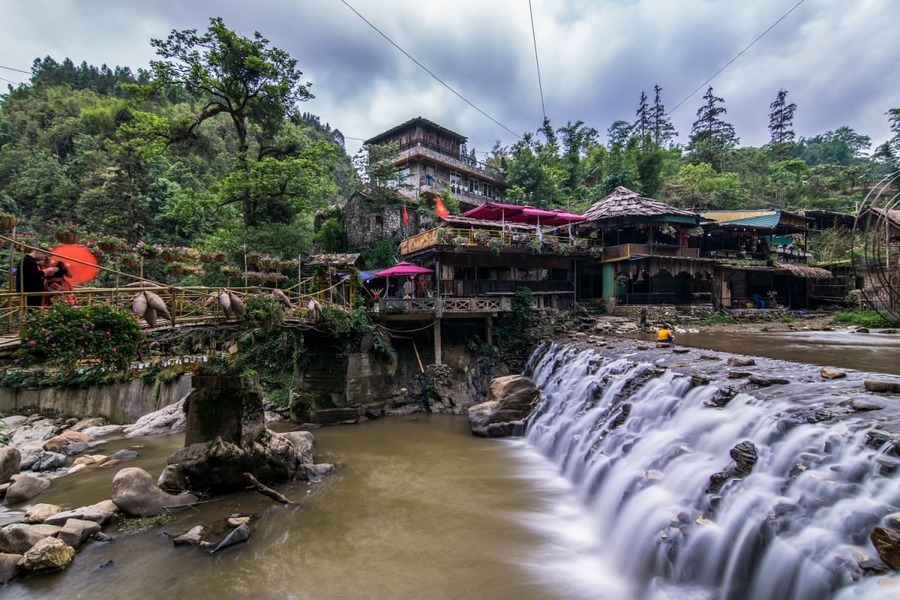
Ham Rong Mountain: Panoramic Views and Legends
Ham Rong Mountain stands as one of the top Sapa Vietnam attractions, offering sweeping vistas of the town and surrounding valleys. The name, meaning “Dragon’s Jaw,” stems from ancient folklore about a mythical dragon.
Climb the stone steps through orchid gardens and rock formations for breathtaking overlooks. At the summit, enjoy a 360-degree panorama that captures the essence of Sapa Vietnam’s rugged beauty.
Sapa Stone Church: Historical Gothic Charm
Built in the late 19th century by French colonists, Sapa Stone Church serves as a striking landmark in the town center. Its Gothic architecture, complete with stained-glass windows and a towering bell, reflects colonial influences.
Visit during weekend masses to witness local ethnic minorities in traditional attire, adding a cultural layer to this Sapa Vietnam attraction.
Cat Cat Village Sapa: Immersive H’mong Culture
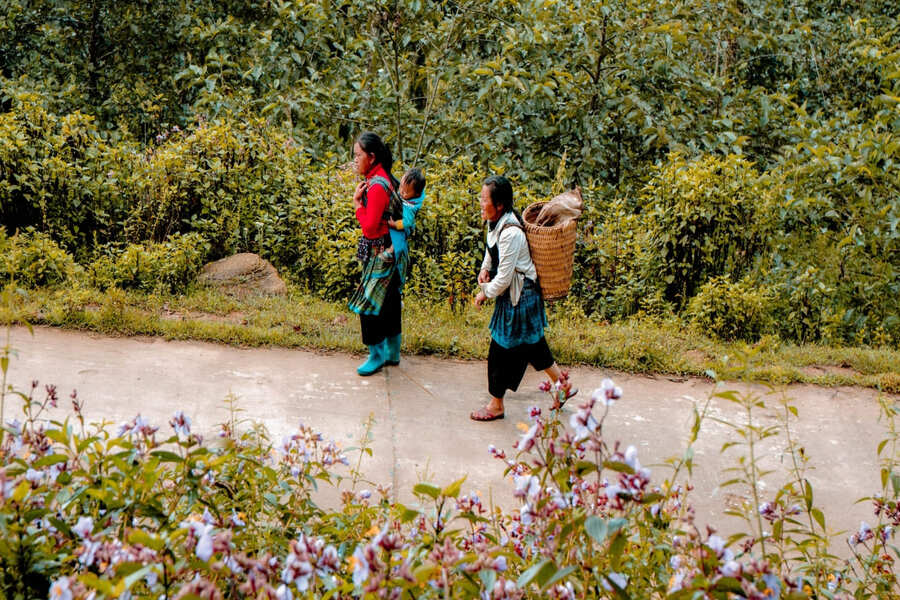
Just a short walk from town, Cat Cat Village Sapa introduces visitors to H’mong daily life. Wander through terraced fields, watch artisans weave indigo-dyed fabrics, and learn about traditional hydropower mills.
This village exemplifies Sapa ethnic minorities’ resilience, with opportunities to purchase handmade crafts directly from creators.
Fansipan Mountain Sapa: Roof of Indochina
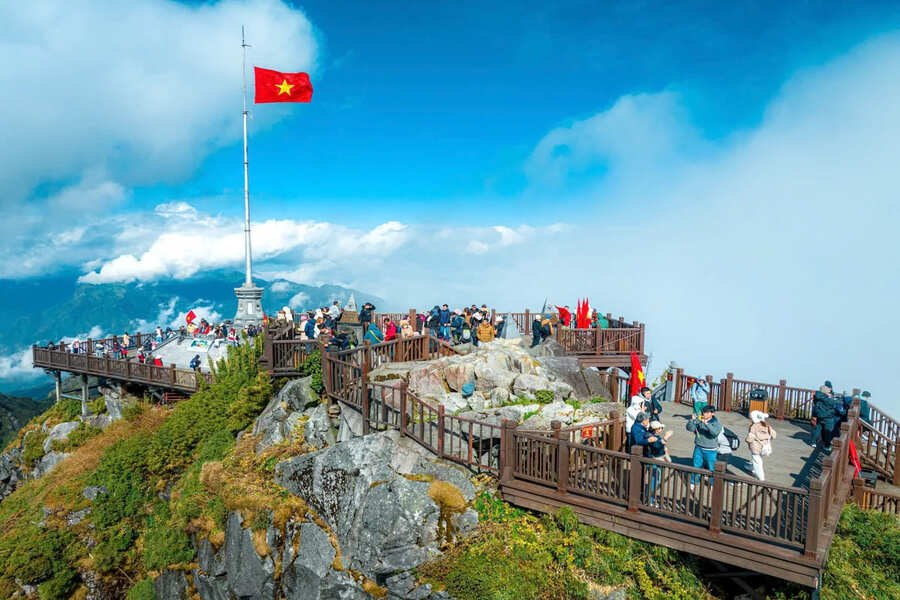
Fansipan Mountain Sapa, at 3,143 meters, holds the title of Southeast Asia’s highest peak. Conquer it via a thrilling cable car ride, the world’s longest non-stop system, for panoramic views without the strenuous hike.
At the top, explore temples and statues amid clouds, making it a highlight among Sapa Vietnam attractions for adventure seekers.
Ta Van Village: Giay Ethnic Traditions
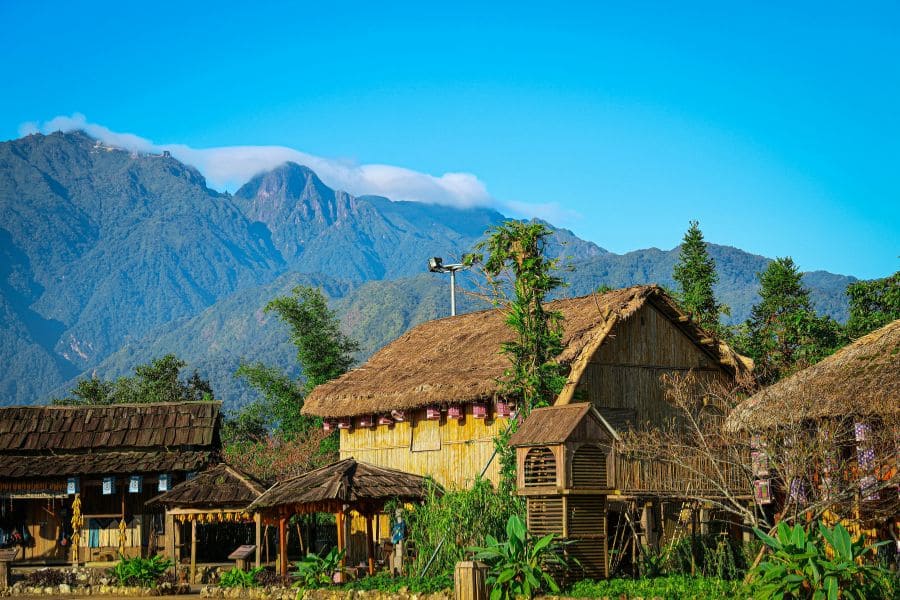
Ta Van Village showcases Giay culture through stilt houses and rice wine making. Surrounded by Sapa rice terraces, it’s ideal for homestays and learning about sustainable farming practices.
Participate in weaving workshops or simply stroll the paths to absorb the serene atmosphere.
O Quy Ho Pass Sapa: Scenic Mountain Drive
O Quy Ho Pass Sapa, one of Vietnam’s four great passes, winds through dramatic landscapes at over 2,000 meters. Stop at viewpoints for photos of mist-shrouded valleys and forests.
This route connects to nearby provinces, offering a thrilling drive or motorbike adventure.
Silver Waterfall Sapa: Cascading Natural Beauty
Silver Waterfall Sapa plunges 200 meters down rocky cliffs, creating a shimmering spectacle in sunlight. A short hike leads to viewing platforms, where the mist refreshes visitors.
Best seen after rains, it’s a refreshing stop on any Sapa trekking itinerary.
Muong Hoa Valley Sapa: Ancient Rock Carvings and Terraces
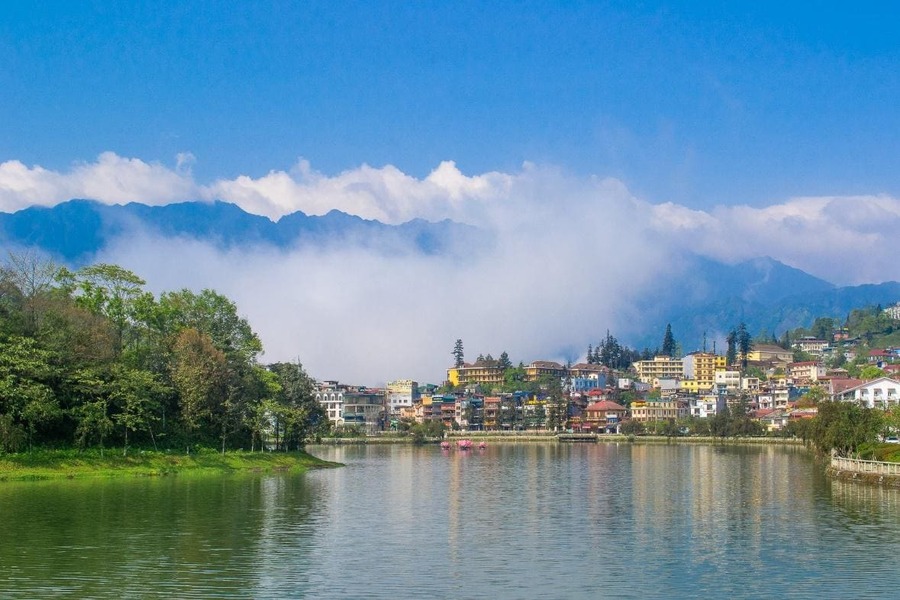
Muong Hoa Valley Sapa features vast rice paddies and mysterious petroglyphs dating back thousands of years. Trek along the river to discover these engravings, depicting ancient life.
The valley’s beauty peaks during harvest, turning it into a golden mosaic.
Sapa Love Market: Vibrant Cultural Gathering
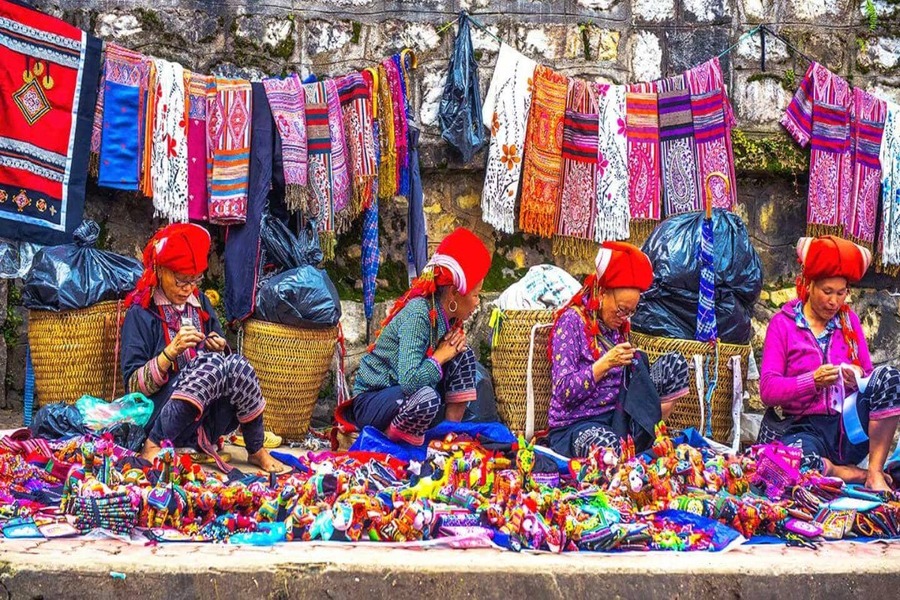
Sapa Love Market brings together young people from various tribes in colorful attire for socializing and courtship rituals. Held on weekends, it includes singing, dancing, and handicraft stalls.
Experience authentic Sapa ethnic minorities’ traditions while sampling local treats.
Tram Ton Pass Sapa: Heaven’s Gate Views
Known as Heaven’s Gate, Tram Ton Pass Sapa offers ethereal cloudscapes at 1,900 meters. The winding road provides stops for sunrise or sunset photography, capturing the majestic Hoang Lien Son range.
It’s a must for those chasing the most dramatic Sapa Vietnam attractions.
Things to Do in Sapa Vietnam: Adventure and Culture Combined
Beyond sightseeing, things to do in Sapa Vietnam range from active pursuits to relaxed cultural immersions.
Sapa trekking tops the list, with routes like the 2-day Lao Chai-Ta Van trail winding through villages and terraces. Guided tours ensure safe navigation and insightful commentary on local customs.
Market hopping reveals the pulse of Sapa Vietnam. Bac Ha Market, held Sundays, bursts with colors from tribal clothing and fresh produce.
For relaxation, indulge in a herbal bath using Red Dao recipes, known for soothing muscles after hikes.
Cycling enthusiasts can rent bikes to explore quieter paths, while food tours introduce regional flavors.
What to Eat in Sapa Vietnam: Local Delicacies and Flavors
What to eat in Sapa Vietnam reflects the region’s hearty, mountain-inspired cuisine, influenced by ethnic traditions.
Must-try dishes include:
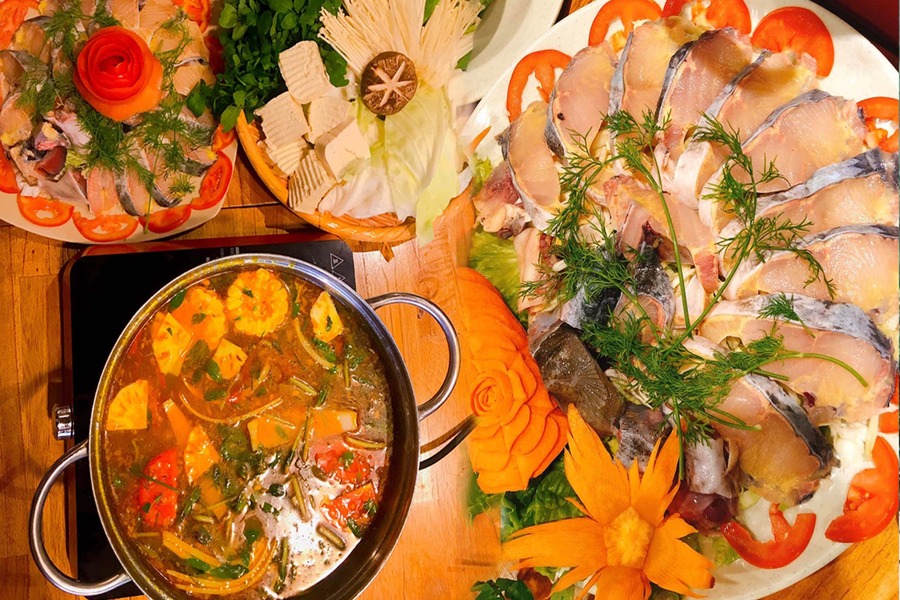
- Thang Co: A robust stew featuring horse meat and herbs, simmered for hours.
- Salmon Hotpot: Fresh river salmon with vegetables in a spicy broth.
- Grilled Pork Sausage: Spiced minced pork grilled over open flames.
- Black Chicken: Nutrient-rich meat cooked with medicinal herbs.
- Bitter Bamboo Shoot Soup: A tangy, herbal soup unique to the highlands.
Street stalls and markets offer these affordably, often paired with sticky rice or corn wine.
Where to Stay in Sapa Vietnam: From Homestays to Luxury
Where to stay in Sapa Vietnam caters to all budgets, emphasizing immersion in nature and culture.
Sapa homestay options in villages like Cat Cat or Ta Van provide authentic experiences, with basic rooms and home-cooked meals for $10-20 USD nightly.
Mid-range hotels in town feature mountain views and amenities like spas, ranging from $30-60 USD.
Luxury resorts, such as those near Fansipan, offer upscale comforts with infinity pools and fine dining, starting at $100 USD.
Book in advance during peak seasons for the best choices.
Essential Tips for Your Sapa Vietnam Trip
To make the most of Sapa Vietnam, follow these practical pointers:
- Respect local customs: Ask before photographing people and dress modestly in villages.
- Prepare for terrain: Wear sturdy shoes for treks and carry rain gear.
- Stay connected: Purchase a local SIM for navigation apps.
- Sustainable practices: Support community-led tours to benefit Sapa ethnic minorities.
- Health precautions: Use insect repellent and stay hydrated at high altitudes.
Sapa Vietnam promises transformative journeys, blending raw nature with deep cultural connections. Plan ahead to capture its magic in 2026.
0 Comment