
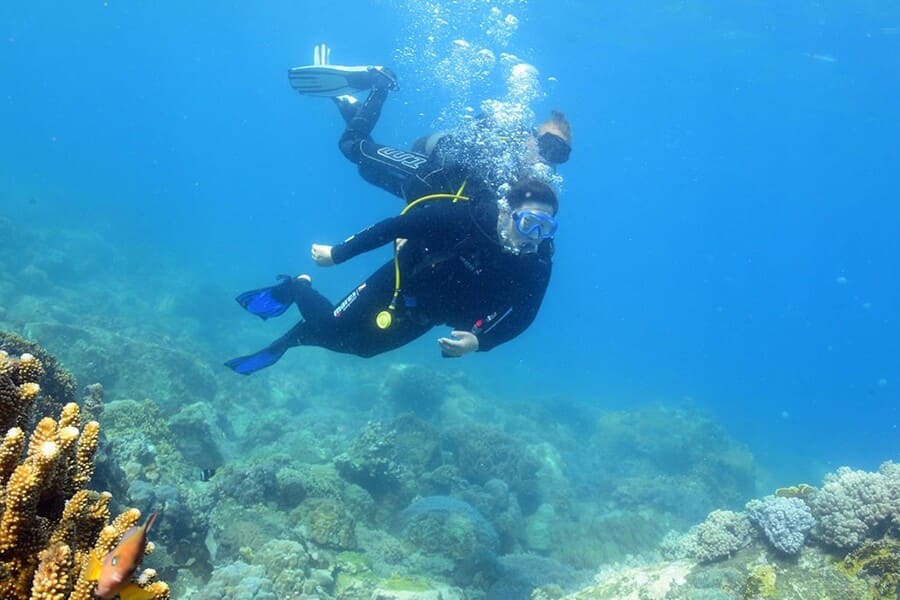
Vietnam has long been celebrated for its sweeping landscapes, vibrant street food, and rich cultural heritage. But beneath its turquoise coastal waters lies a world that is just as spectacular. Whether you are booking one of the premium Vietnam luxury tours that blend culture with adventure, or planning a dedicated underwater expedition, the diving destinations in Vietnam offer some of the most rewarding experiences in all of Southeast Asia. From coral-fringed islands in the south to pristine marine reserves in the centre, this guide explores the best diving destinations in Vietnam for both first-time divers and seasoned underwater explorers.
Why Vietnam Is Becoming a Top Diving Destination in Southeast Asia
For years, Thailand and the Philippines dominated the regional diving scene. Yet Vietnam is steadily earning its place among the most sought-after scuba diving in Vietnam destinations, and for very good reason.
Diverse Marine Ecosystems
Vietnam stretches over 3,200 kilometres of coastline, encompassing multiple distinct marine zones. This geographic diversity translates into an extraordinary variety of underwater habitats. Divers can explore thriving coral gardens, sea grass meadows, rocky reef systems, and open water columns teeming with pelagic species. The warm waters of the South China Sea support over 1,500 species of marine life, including sea turtles, reef sharks, barracuda, manta rays, and an astonishing diversity of reef fish. Few countries in Asia offer this breadth of underwater biodiversity within such a compact travel circuit.
Affordable Diving Experiences
One of the most compelling advantages of scuba diving in Vietnam is the cost. Compared to destinations like the Maldives, Palau, or even Koh Tao in Thailand, Vietnam offers remarkably competitive pricing without sacrificing quality. A single dive trip with equipment can cost as little as USD 25 to 40 in most coastal towns, while PADI Open Water certification courses typically range from USD 300 to 450. Liveaboard expeditions, which provide access to more remote dive sites, are also available at prices that make them accessible to a wide range of travellers.
Suitable for All Skill Levels
Vietnam’s Vietnam diving spots cater to every experience level. Shallow lagoons with calm visibility attract nervous beginners, while deep walls, strong currents, and dramatic underwater topography challenge advanced divers. Many dive centres offer try-dive programmes that require no prior experience, making it possible for virtually anyone to experience the underwater world on a day trip. Certified instructors from internationally recognised organisations such as PADI and SSI operate at virtually every major coastal resort, ensuring safety and quality instruction throughout.
Top Diving Destinations in Vietnam
Con Dao Islands
Lying approximately 230 kilometres southeast of Ho Chi Minh City, the Con Dao archipelago is widely regarded as one of the finest and most unspoiled diving destinations in Vietnam. A national park covering both land and sea, Con Dao is subject to strict conservation regulations that have preserved its marine environment in exceptional condition.
Best Dive Sites
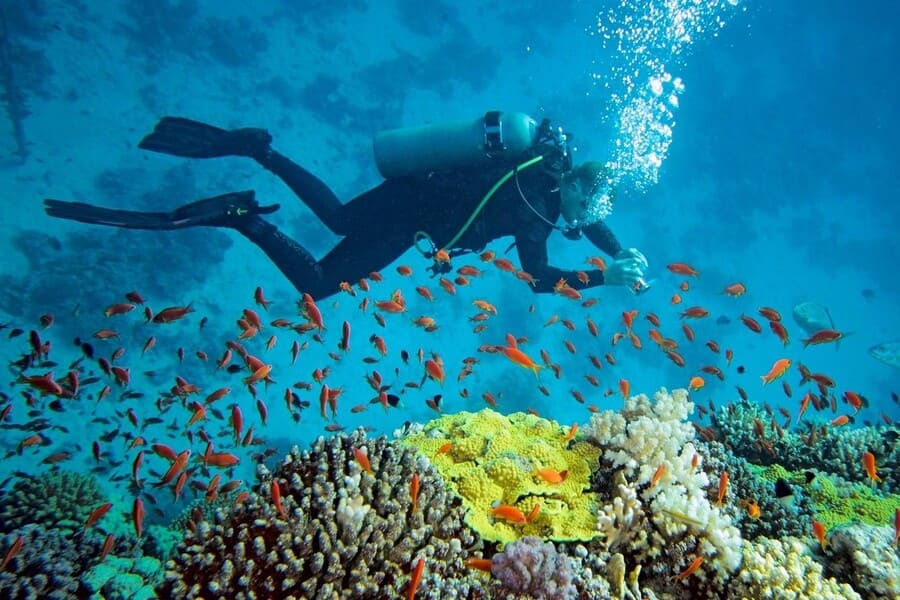
The most celebrated dive sites include Bay Canh, where colourful coral formations slope into deeper waters; Dam Tre Bay, known for its dramatic underwater topography; and the area surrounding Hon Tai Island, which features impressive wall dives and diverse coral ecosystems. The wreck of the Côn Đảo also offers a unique exploration opportunity for more experienced wreck divers.
Marine Life Highlights
Con Dao is one of the few places in Vietnam where divers regularly encounter hawksbill sea turtles, as the archipelago hosts one of the most important sea turtle nesting sites in Southeast Asia. Reef sharks, eagle rays, giant moray eels, lobsters, and large schools of trevally are all commonly sighted. The macro life is equally impressive, with nudibranchs, frogfish, and pipefish delighting photographers.
Recommended for Experienced Divers
While some sites are suitable for beginners, Con Dao is at its best for divers with at least an Open Water certification and some logged dives. Several sites feature moderate to strong currents, and the deeper walls demand good buoyancy control. The limited infrastructure compared to busier tourist centres means fewer crowds, a higher quality experience, and a genuine sense of diving somewhere truly wild.
Phu Quoc Island
Phu Quoc, Vietnam’s largest island located in the Gulf of Thailand, has undergone dramatic development over the past decade. Despite increased tourism, the waters surrounding the island remain a genuinely excellent choice among Vietnam diving spots, particularly for those new to the sport.
Ideal Conditions for Beginners
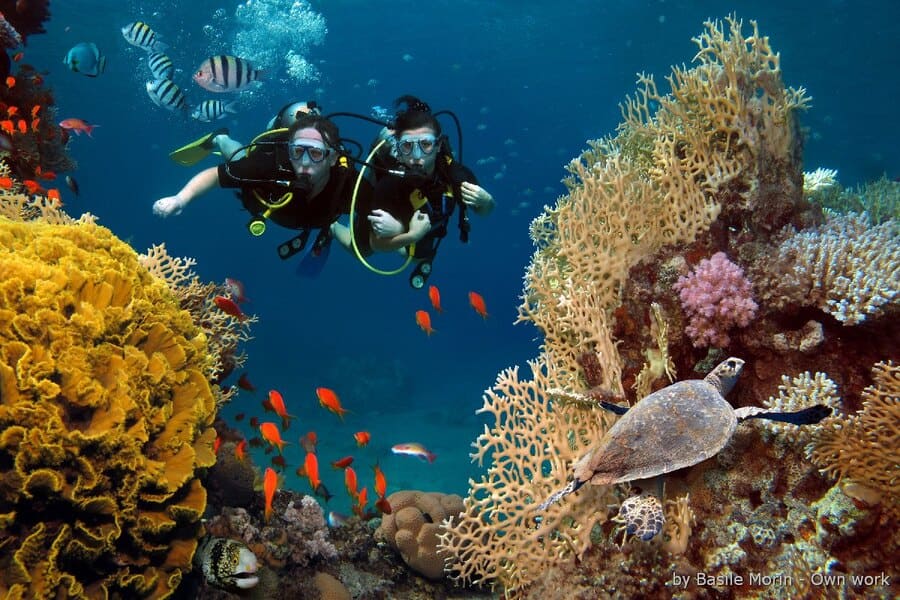
The Gulf of Thailand generally produces calmer, more sheltered conditions than the South China Sea, with minimal currents and visibility ranging from 5 to 15 metres depending on the season. This makes it an ideal environment for beginners who want to build confidence underwater without dealing with surge or strong water movement. The soft, sandy seabed in many areas also makes accidental contact with the bottom less damaging to both diver and reef.
Popular Dive Locations
The most popular dive areas are clustered around the An Thoi Archipelago at the southern tip of the island. Sites such as Hon Thom (Pineapple Island), Hon Roi, and Hon Vong offer accessible reefs covered in hard and soft corals. Several of these sites also feature resident populations of clownfish nesting in anemones, reliably delighting divers of all levels.
Best Time to Dive
The optimal diving season at Phu Quoc runs from November through April, when the northeast monsoon brings calm, clear conditions to the Gulf of Thailand. During the rainy season from May to October, visibility can deteriorate and some operators may reduce schedules, though diving is still possible. Travellers planning specifically around the best places to dive in Vietnam should note that Phu Quoc and Con Dao have different seasonal windows, allowing for itineraries that combine both.
Nha Trang
Nha Trang is Vietnam’s most established diving hub and has served as the gateway to scuba diving in Vietnam for decades. The city’s well-developed tourism infrastructure, numerous certified dive schools, and proximity to a cluster of offshore islands make it a natural starting point for many divers visiting the country.
Hon Mun Marine Protected Area
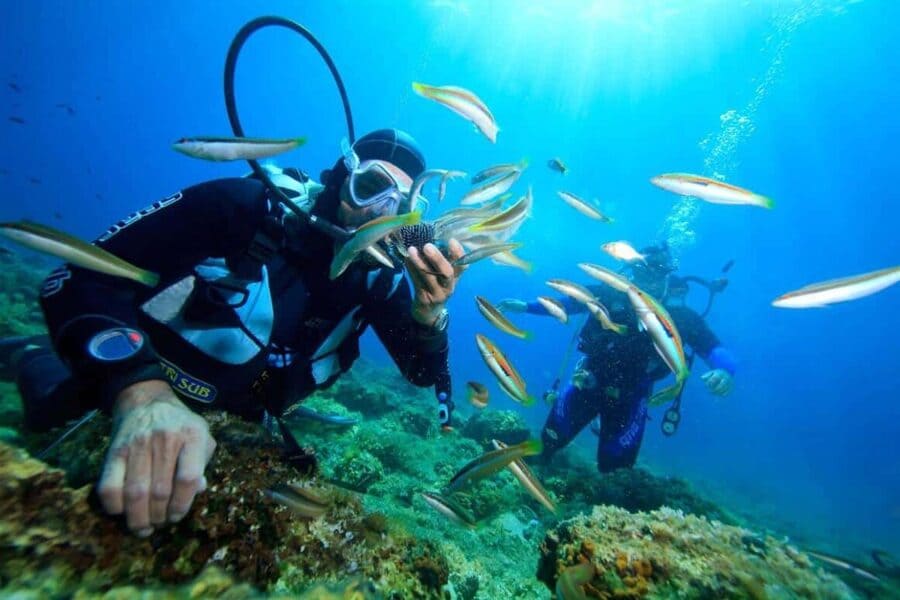
The jewel of Nha Trang’s dive scene is the Hon Mun Marine Protected Area, one of the first marine protected areas established in Vietnam. Covering roughly 160 square kilometres, it protects some of the healthiest coral ecosystems on the south-central coast. Within this protected zone, dive sites such as Moray Beach, Madonna Rock, and Coral Garden consistently deliver vibrant reef encounters and reliable marine life sightings.
Coral Reefs and Visibility
Nha Trang’s reefs are characterised by extensive areas of both hard and soft coral, with visibility typically ranging between 10 and 20 metres during favourable conditions. Staghorn and brain corals dominate many shallow sections, while gorgonian sea fans and black coral trees appear on deeper slopes. The best visibility occurs between January and August, coinciding with the drier season along this stretch of coast.
Diving Courses and Certifications
Nha Trang is arguably the single best place in Vietnam to complete a diving certification. The town hosts dozens of PADI and SSI accredited dive centres, many of which employ multilingual instructors experienced in teaching first-time divers. Open Water certification courses typically span three to four days and include both pool training and open water dives. More advanced courses such as Advanced Open Water, Rescue Diver, and Divemaster programmes are also widely available, making Nha Trang a genuine base for divers looking to progress through certification levels during an extended stay.
Cham Islands (Hoi An)
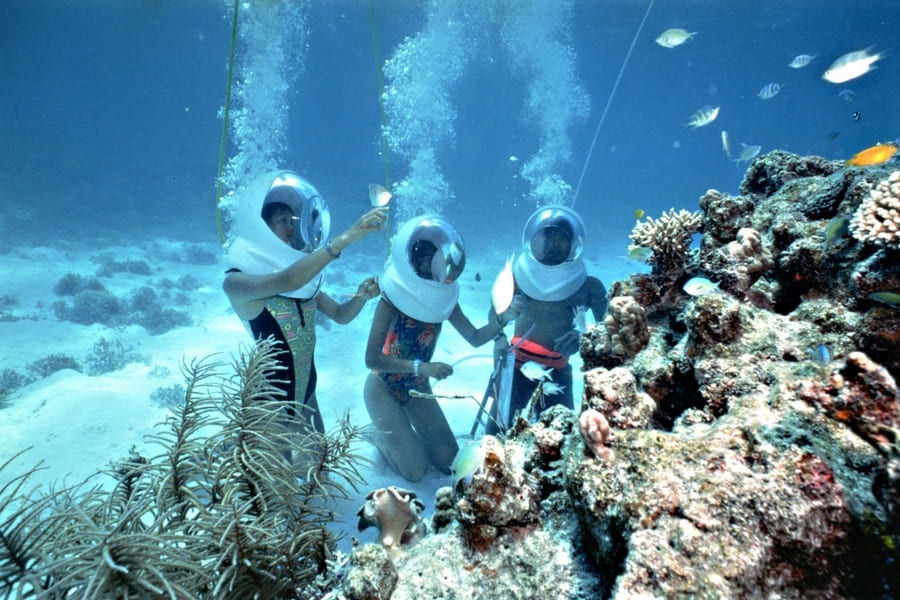
Located approximately 18 kilometres off the coast of Hoi An, the Cham Islands Biosphere Reserve is a UNESCO-recognised site that protects a remarkable stretch of coral reef in the central Vietnamese coast. The islands have only been open to diving tourism relatively recently and retain a freshness that many of Vietnam’s more heavily visited sites have lost.
Rich Biodiversity
The Cham Islands sit at an ecologically significant transition zone between northern and southern Vietnamese waters, resulting in exceptional species richness. Research conducted at the reserve has identified over 135 species of coral and more than 200 species of reef fish. Divers commonly encounter sea turtles, porcupine fish, schools of snapper, grouper, cuttlefish, and a wide variety of nudibranchs across the reserve’s dozen or so mapped dive sites.
Family-Friendly Diving Opportunities
The Cham Islands are notable for offering diving experiences that can be enjoyed by a wide age range, making them a strong option for families travelling together. Snorkelling and beginner dive programmes are well developed here, and the calm, shallow bays around Bai Huong and Bai Ong provide safe entry points for children and non-swimmers who still want to glimpse the reef. The short 45-minute speedboat transfer from Hoi An also makes the islands easily accessible as a day trip, which is perfect for travellers with limited time.
Whale Island (Hon Ong)
Situated off the coast of Van Phong Bay in Khanh Hoa Province, Whale Island is one of the most off-the-beaten-path Vietnam diving spots and one of the least visited by international tourists. The island’s very name hints at the extraordinary marine encounters available in these waters.
Pristine Underwater Environment
Whale Island benefits from its relative isolation. With no permanent civilian population and limited commercial infrastructure, the surrounding reefs have escaped the pressures of overtourism that affect more accessible destinations. The result is an underwater environment that feels genuinely undisturbed, with dense coral coverage, crystal-clear water, and marine life that behaves with remarkable confidence around divers.
Unique Marine Species
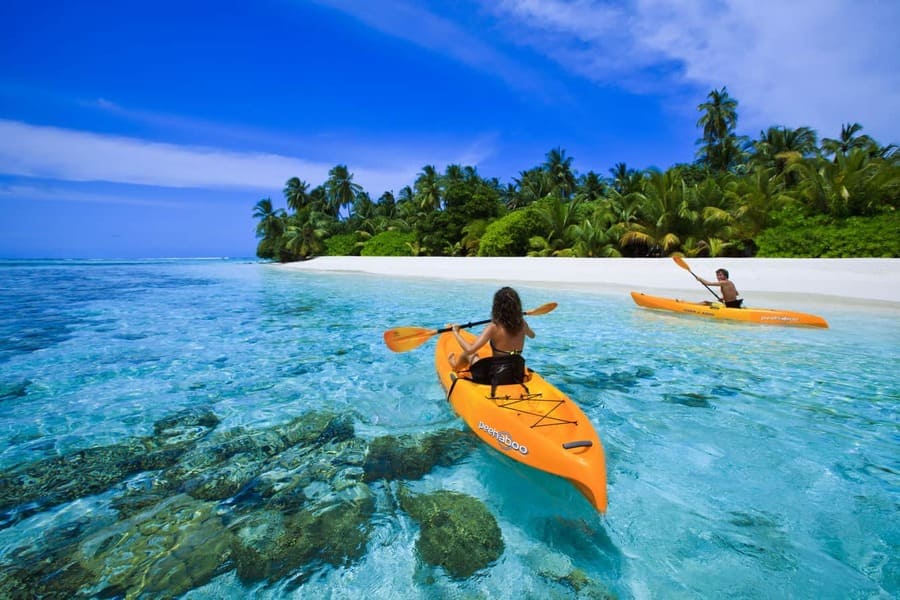
Whale Island lives up to its name between February and April, when whale sharks and, occasionally, actual whale species migrate through Van Phong Bay. These encounters, while never guaranteed, represent some of the most extraordinary wildlife experiences available at any of the best places to dive in Vietnam. Outside whale shark season, the reefs deliver consistent sightings of ray species, barracuda, lionfish, and diverse reef sharks. The area is also known for unusually large and healthy sea turtle populations.
Best Time for Diving in Vietnam
Vietnam’s elongated geography means there is no single universal diving season for the entire country. Understanding regional seasonality is essential when planning a trip focused on diving destinations in Vietnam.
The central coast, including Nha Trang and the Cham Islands, enjoys its best diving conditions between January and August. From September to December, the northeast monsoon brings rougher seas and reduced visibility to this stretch of coastline.
Phu Quoc and Con Dao in the south are generally best visited between October and April. The dry season brings calm seas, strong sunlight, and optimal water clarity to the Gulf of Thailand and the southern South China Sea.
Whale Island has a uniquely advantageous season window between February and September, which overlaps with the whale shark migration and generally calm bay conditions.
For divers who want to visit multiple sites across a single trip, a practical south-to-north itinerary during the November to April window offers the best overall conditions across most of the country’s premier dive locations.
Frequently Asked Questions About Diving in Vietnam
Is Vietnam good for scuba diving?
Absolutely. Vietnam offers an impressive combination of marine biodiversity, accessible dive sites, and competitive pricing that makes it one of the most rewarding scuba diving in Vietnam destinations in Southeast Asia. While it may not yet have the global reputation of Thailand’s Similan Islands or the Philippines’ Tubbataha Reef, its best sites rival these destinations in terms of marine life quality and underwater experience.
Which destination is best for beginner divers?
Phu Quoc is generally considered the most beginner-friendly option among all Vietnam diving spots, thanks to its calm Gulf of Thailand conditions, gentle currents, and well-developed dive infrastructure. Nha Trang is also highly suitable for beginners, particularly those who want to complete a formal certification course with access to a wide range of PADI-accredited instructors.
When is the best month to dive in Vietnam?
For most travellers, the months of February, March, and April represent the optimal window for diving destinations in Vietnam. During this period, conditions are excellent at Phu Quoc and Con Dao in the south, Nha Trang in the centre is at its clearest, and Whale Island enters its whale shark migration season. This combination maximises the number of high-quality dive sites accessible within a single trip.
How much does scuba diving cost in Vietnam?
Diving in Vietnam is very affordable by international standards. A single guided fun dive with equipment rental typically costs between USD 25 and 45, depending on the destination and dive centre. A PADI Open Water certification course ranges from approximately USD 280 to 450. Liveaboard trips to more remote destinations such as Con Dao can range from USD 150 to 350 per day, including meals, accommodation, and multiple daily dives. The best places to dive in Vietnam offer excellent value at every budget level.
0 Comment