
Vietnam, the long and slender S-shaped country in Southeast Asia, is a captivating destination that blends rich history, vibrant culture, stunning natural landscapes, and mouthwatering cuisine. For first-time visitors, Vietnam offers an incredible mix of bustling cities, ancient towns, emerald bays, terraced rice fields, and pristine beaches—all at an affordable price point (typically $30–60 USD per day including accommodation, food, and transport).
If you’re planning your first Vietnam tours, focusing on the best places to go in Vietnam for first-time travelers will help you experience the country’s diversity without feeling overwhelmed. This comprehensive guide highlights the top places to visit in Vietnam, featuring popular tourist places in Vietnam, the most beautiful places to see in Vietnam, and some truly unique travel spots across Vietnam. These destinations are accessible, safe, and perfect for newcomers.
The best time to visit is generally November to April (dry season in the north and central regions), while the south remains pleasant year-round. Internal flights are cheap and frequent, high-speed trains connect major cities, and Grab rides or motorbike taxis make local exploration easy. Now, let’s dive into the must-visit spots!
1. Hanoi – A Must-See Place to Visit in Vietnam
Hanoi serves as the quintessential gateway for first-time visitors to Vietnam, embodying a millennium of history amid a whirlwind of contemporary life. As the nation’s capital, it pulses with an infectious energy that draws travelers into its labyrinthine streets, where colonial elegance meets indigenous ingenuity. The city’s architecture tells stories of French influence through grand boulevards and villas, juxtaposed against pagodas and temples that echo Confucian roots. Narrow alleyways buzz with vendors hawking everything from silk scarves to steaming bowls of soup, creating an atmosphere that’s both chaotic and captivating.
At the core of Hanoi lies the Old Quarter, a UNESCO-recognized district that dates back to the 13th century. This maze of 36 streets, each historically dedicated to a specific trade, now overflows with boutiques, cafes, and workshops. Strolling through these lanes offers glimpses into daily life, with artisans crafting lanterns or tailors sewing bespoke clothing. Amid the hustle, Hoan Kiem Lake emerges as a serene oasis. This picturesque body of water, often shrouded in morning mist, features the striking red Huc Bridge leading to Ngoc Son Temple, dedicated to Confucian scholars and military heroes. Early risers can witness locals practicing tai chi along the shores, adding to the tranquil ambiance.
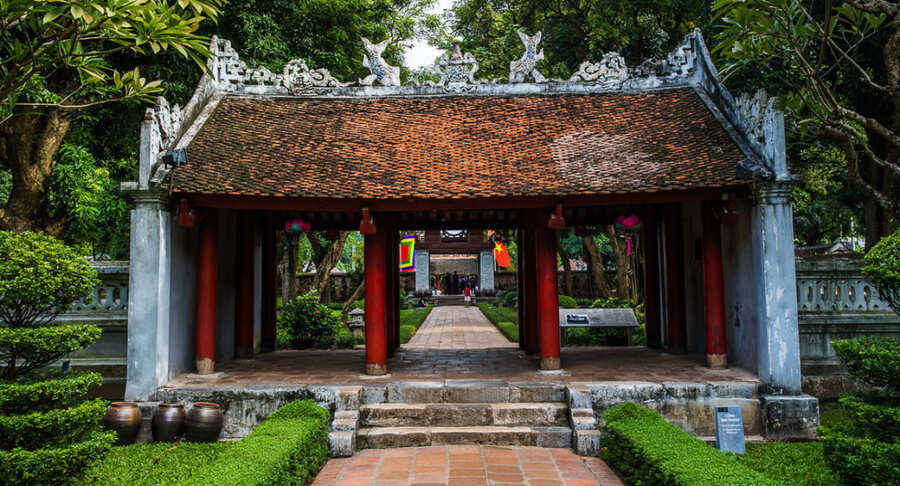
History enthusiasts will find the Temple of Literature indispensable. Established in 1070 as Vietnam’s first university, this sprawling complex honors scholars with stone stelae mounted on turtle backs, symbolizing longevity and wisdom. Wandering its courtyards, adorned with bonsai trees and lotus ponds, provides a peaceful retreat from the urban frenzy. Nearby, the Ho Chi Minh Mausoleum complex pays homage to the revolutionary leader, including his modest stilt house and the One Pillar Pagoda, a unique structure resembling a lotus flower rising from water.
Culinary explorations in Hanoi elevate any visit, with street food reigning supreme. Pho, the iconic beef or chicken noodle soup simmered with aromatic spices, can be savored at roadside stalls for mere pennies. Bun cha, featuring grilled pork patties served with vermicelli and herbs, gained international fame after a notable presidential visit, highlighting its smoky, tangy flavors. For a sweet twist, egg coffee—whipped egg yolks blended with robust Vietnamese brew—offers a creamy indulgence best enjoyed at historic cafes overlooking the lake. Evenings bring cultural immersion through water puppet shows, a traditional art form originating from rice paddy performances, where wooden figures dance on water to folk tales accompanied by live music.
Practical advice enhances the Hanoi experience: Opt for ride-hailing apps like Grab for safe, affordable transport, as taxis can be unpredictable. Navigating the traffic requires vigilance—cross streets steadily, allowing motorbikes to flow around like water. Accommodations range from boutique hotels in the Old Quarter to luxury chains near the lake, with options suiting all budgets. Visiting during spring (March to April) or autumn (September to November) avoids the summer heat and winter chill, ensuring comfortable exploration. Hanoi not only introduces Vietnam’s cultural depth but sets the stage for adventures further afield.
2. Ha Long Bay – One of the Best Places to Visit in Vietnam
Ha Long Bay captivates as one of Vietnam’s crown jewels, earning its status as a UNESCO World Heritage Site and one of the New Seven Natural Wonders. Spanning over 1,500 square kilometers in the Gulf of Tonkin, this ethereal seascape features more than 1,600 limestone islands and islets jutting from turquoise waters, sculpted by millennia of erosion into fantastical shapes. Myths surround the bay, with legends attributing its formation to dragons spitting jewels to repel invaders, adding a layer of enchantment to its natural splendor.
An overnight cruise represents the optimal way to absorb Ha Long Bay’s majesty. These voyages, ranging from budget junks to luxurious vessels, navigate through towering karsts, revealing hidden lagoons and grottoes. Activities abound: Kayaking allows intimate encounters with floating fishing villages, where communities live on stilt houses and harvest seafood from the sea. Swimming in secluded coves provides refreshing respite, while cave explorations, such as Sung Sot (Surprise Cave) with its stalactites and chambers, evoke a sense of discovery. Onboard, meals showcase fresh catches like squid and prawns, prepared with local herbs for authentic flavors.
For those seeking solitude away from the main bay’s crowds, alternatives like Lan Ha Bay or Bai Tu Long Bay offer similar landscapes with fewer tourists. Lan Ha, to the south, boasts pristine beaches and opportunities for rock climbing, while Bai Tu Long extends northeast with untouched islets ideal for birdwatching. Day trips from Cat Ba Island provide another entry point, combining bay cruises with national park hikes.
Selecting a reputable operator ensures a high-quality experience; reviews on platforms like TripAdvisor highlight those prioritizing sustainability and comfort. Cruises typically include all meals, activities, and transfers from Hanoi, lasting one to three nights. Weather plays a crucial role—clear skies in April to May or September to November enhance visibility, while summer monsoons can bring fog. Packing essentials like sunscreen, insect repellent, and motion sickness remedies prepares for the adventure. Ha Long Bay not only showcases Vietnam’s natural wonders but inspires awe, making it an indispensable stop for first-timers.
3. Sapa – Essential Places to See in Vietnam: Terraced Rice Fields
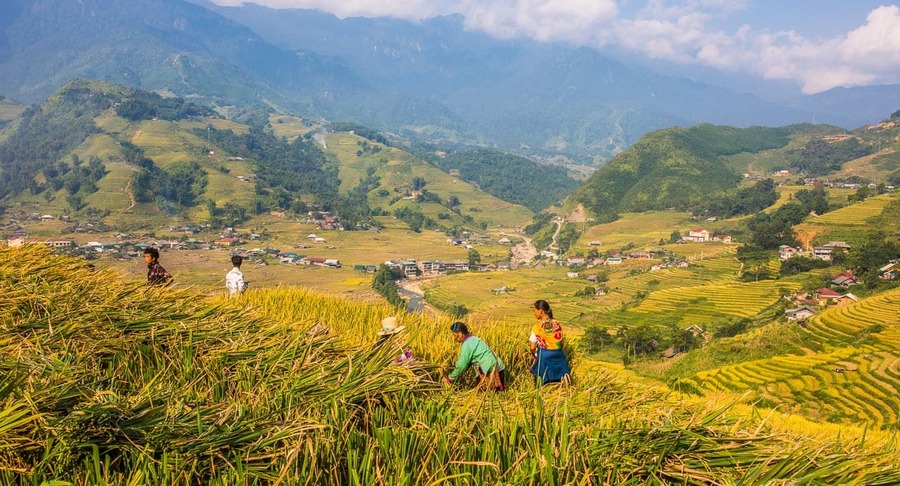
Sapa enchants with its dramatic highland scenery in Vietnam’s northwest, where mist-cloaked mountains cradle verdant rice terraces that cascade like emerald staircases. This region, part of the Hoang Lien Son range, draws adventurers eager for trekking and cultural immersion among ethnic minorities. The terraces, hand-carved over generations, reach their peak beauty during the harvest from September to October, when golden hues blanket the hillsides under azure skies.
Trekking routes abound, from gentle walks to challenging ascents. Cat Cat Village, a short hike from Sapa town, introduces H’mong culture through traditional indigo dyeing and weaving demonstrations. Further afield, Ta Phin Village hosts Red Dao communities, known for herbal medicine and embroidered textiles. For panoramic vistas, the cable car to Fansipan Peak—the “Roof of Indochina” at 3,143 meters—offers breathtaking views without the strenuous climb, though avid hikers can opt for multi-day trails.
Homestays provide authentic insights, where guests share meals of mountain vegetables, free-range chicken, and rice wine with host families. These experiences foster connections, revealing customs like intricate silver jewelry and communal festivals. Markets in Sapa town burst with handicrafts, from brocade bags to herbal remedies, offering souvenirs that support local economies.
Preparation is key: Layer clothing to combat fluctuating temperatures, from chilly mornings to warmer afternoons. Sturdy shoes handle muddy paths, especially during the rainy season from May to August. Transportation from Hanoi via overnight train or bus takes about eight hours, with Sapa’s cooler climate providing relief from lowland humidity. This destination highlights Vietnam’s ethnic diversity and natural allure, creating lasting memories through hikes and heartfelt encounters.
4. Ninh Binh – Top Must-See Places in Vietnam on Land
Ninh Binh emerges as a terrestrial counterpart to Ha Long Bay, where karst formations rise from lush plains, earning the moniker “Ha Long Bay on land.” This province, just a two-hour drive south of Hanoi, encompasses UNESCO-listed sites like Trang An Landscape Complex, blending rivers, caves, and temples into a harmonious vista. Rowboat tours through Tam Coc or Trang An glide past rice paddies and limestone cliffs, tunneling through grottoes illuminated by natural light shafts.
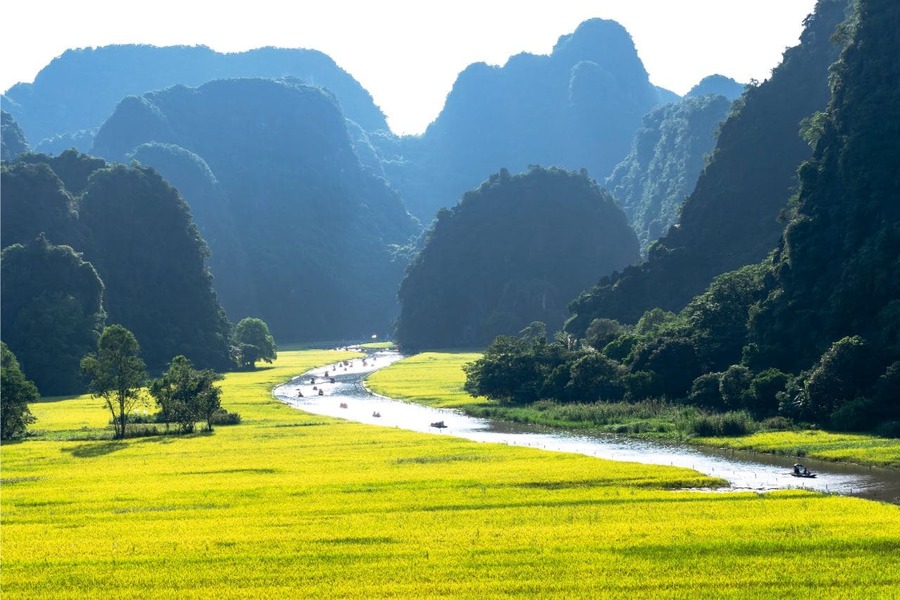
Beyond waterways, Mua Cave beckons with a steep climb to a viewpoint overlooking the panorama, ideal for sunrise photography. Bai Dinh Pagoda, Asia’s largest Buddhist complex, impresses with its golden statues, intricate carvings, and bell tower offering sweeping views. Ancient Hoa Lu, the former capital, adds historical depth with temple ruins amid verdant fields.
Early mornings minimize crowds, capturing the golden hour’s soft glow on the landscapes. Bicycles or motorbikes facilitate exploration of rural paths, leading to hidden spots like bird sanctuaries. Accommodations include eco-lodges nestled in valleys, enhancing the immersive feel. Ninh Binh’s blend of adventure and serenity makes it a vital addition to any Vietnam itinerary, showcasing inland wonders.
5. Hue – Historic Must-See Places to Visit in Vietnam
Hue preserves Vietnam’s royal heritage as the former seat of the Nguyen Dynasty from 1802 to 1945. The Imperial City, a vast UNESCO-listed citadel encircled by moats, houses palaces, gates, and gardens reflecting Feng Shui principles. Wandering its grounds reveals throne halls and forbidden quarters, evoking emperors’ grandeur.
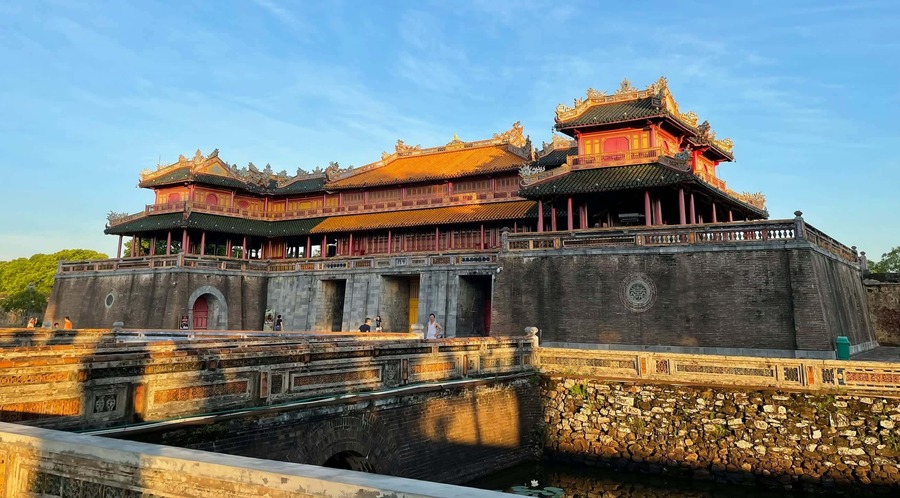
Royal tombs scattered along the Perfume River, such as Minh Mang’s elaborate complex or Khai Dinh’s fusion of Eastern and Western styles, offer serene escapes. Thien Mu Pagoda, with its octagonal tower overlooking the river, symbolizes spiritual tranquility. Boat cruises along the waterway, accompanied by Hue folk songs, provide cultural depth.
Bicycling around the citadel allows leisurely pacing, while vegetarian meals at pagodas introduce royal cuisine like bun bo Hue, a spicy beef noodle soup. Spring visits avoid summer heat, ensuring comfortable sightseeing. Hue’s historical richness deepens understanding of Vietnam’s past, bridging northern and central regions.
6. Hoi An – Magical Best Places to Visit in Vietnam
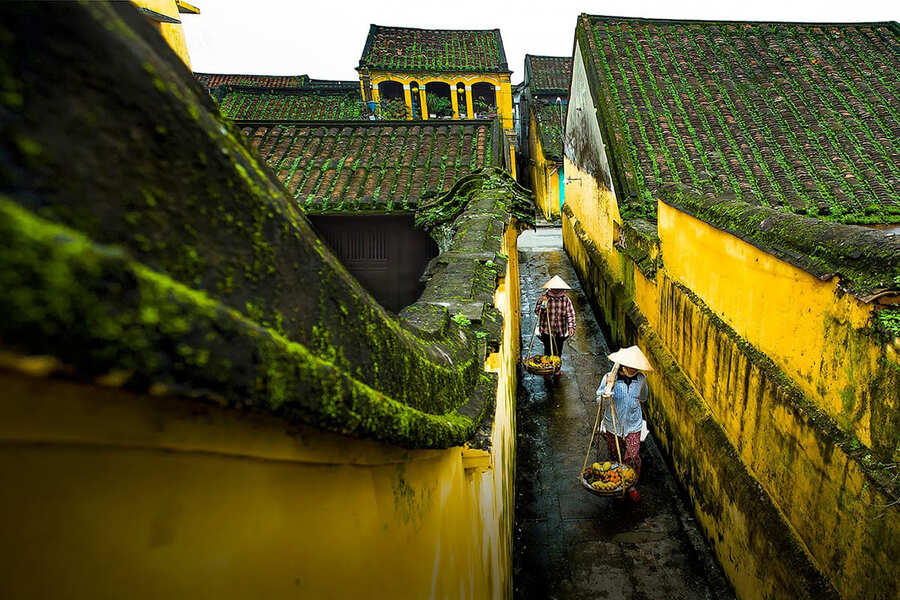
Hoi An radiates charm as a preserved trading port from the 15th to 19th centuries, its UNESCO status protecting yellow-hued merchant houses and Japanese bridges. By day, tailor shops craft custom clothing, while cooking classes teach dishes like cao lau noodles. Cycling to An Bang Beach offers relaxation amid coconut palms.
Nights transform the town with lanterns illuminating riverside paths, creating a fairy-tale ambiance. The monthly full-moon festival features floating candle releases, symbolizing wishes. Nearby attractions include My Son Sanctuary’s Cham ruins, adding archaeological intrigue.
Pro Tip: Attend during lantern festivals for peak magic. Hoi An’s blend of history, cuisine, and artistry enchants, making it a highlight for cultural seekers.
7. Da Nang – Modern Top Places to Visit in Vietnam
Da Nang thrives as a coastal hub, merging urban sophistication with natural attractions. My Khe Beach stretches with white sands and gentle waves, perfect for sunbathing or water sports. The Dragon Bridge, spanning the Han River, spews fire and water on weekends, symbolizing prosperity.
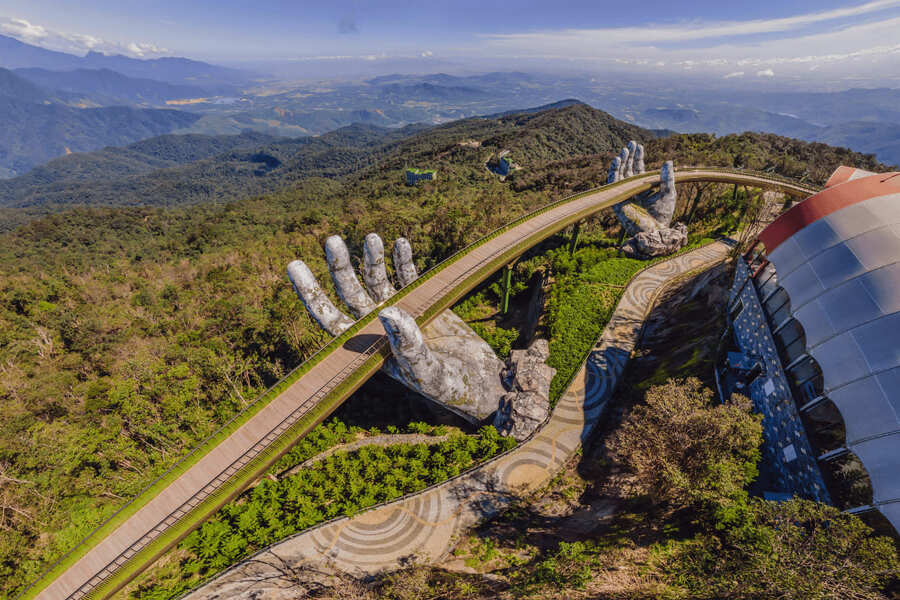
Ba Na Hills amusement park features the Golden Bridge, supported by colossal hands, amid French-inspired villages and gardens. Cable car rides reveal misty vistas, with theme parks adding fun.
As a base for Hue and Hoi An, Da Nang’s international airport facilitates access. Seafood markets and rooftop bars enhance evenings. This city balances relaxation and excitement, appealing to diverse travelers.
8. Ho Chi Minh City – Vibrant Essential Places to See in Vietnam
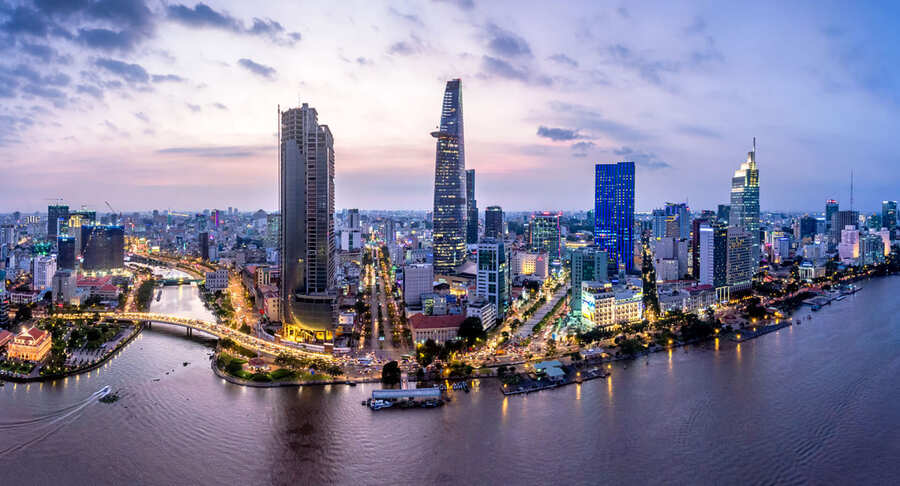
Ho Chi Minh City pulses with energy, its French colonial landmarks like Notre-Dame Cathedral and Central Post Office contrasting wartime history at the War Remnants Museum. Ben Thanh Market overflows with bargains and street eats.
Nightlife thrives in District 1, with rooftop views and craft beer scenes. Motorbike tours delve into hidden alleys for pho and banh mi.
The city’s dynamism reflects Vietnam’s progress, offering a vibrant finale or starting point.
9. Mekong Delta – Authentic Places to Visit in Vietnam
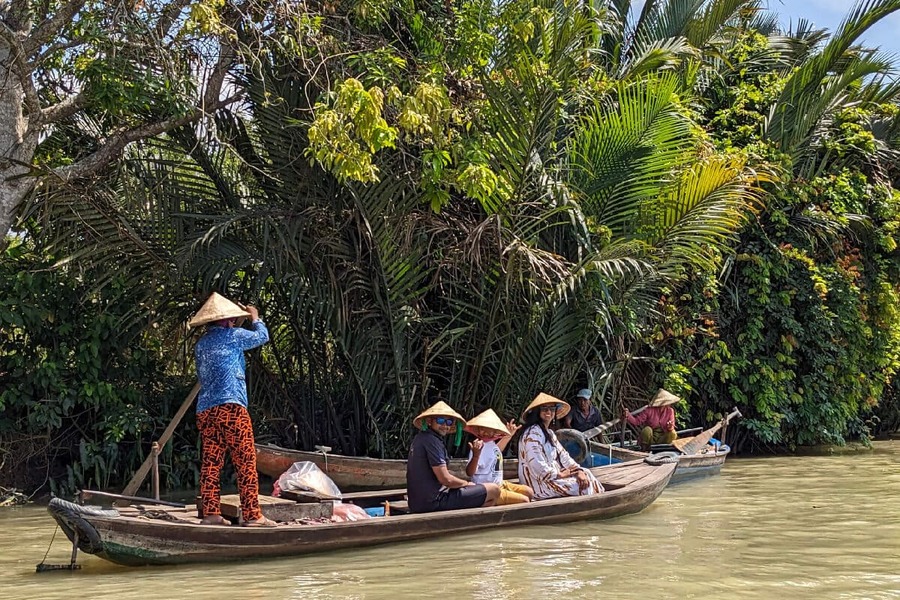
The Mekong Delta sprawls with waterways, where floating markets like Cai Rang showcase vendors trading fruits from boats. Canal cruises reveal orchards and villages, with tastings of exotic produce.
Homestays immerse in rural rhythms, from fishing to cooking classes. Can Tho’s bridges and pagodas add cultural layers.
This region unveils authentic livelihoods, contrasting urban Vietnam.
10. Phu Quoc – Tropical Paradise Among the Best Places to Visit in Vietnam
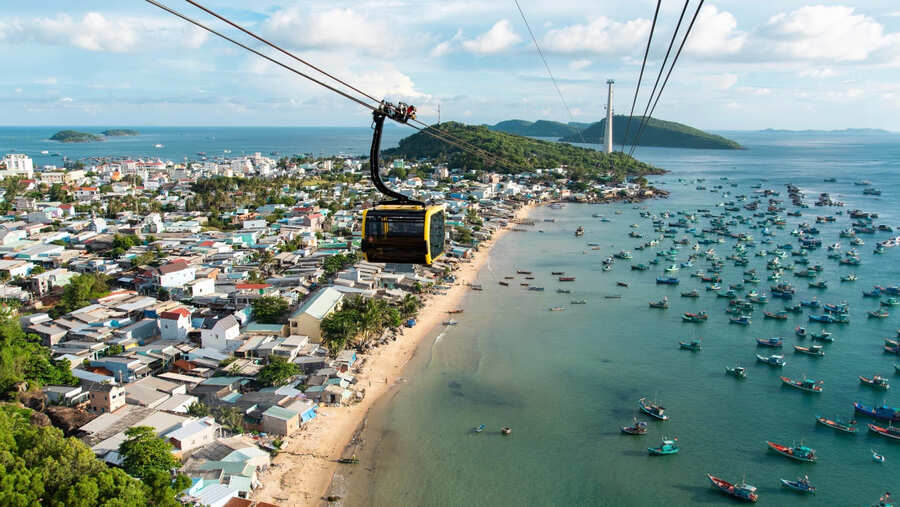
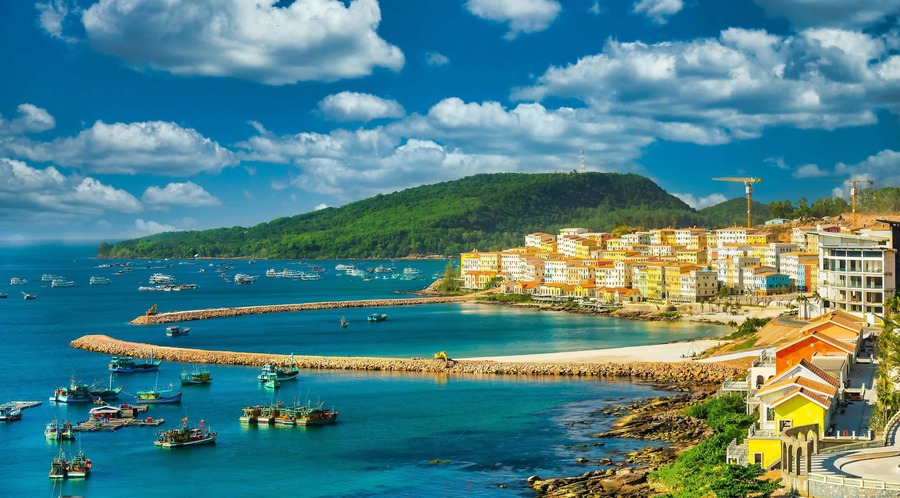
Phu Quoc beckons with Sao Beach’s powdery sands and turquoise seas, ideal for snorkeling amid coral reefs. National parks offer hikes to waterfalls, while pepper farms and fish sauce factories highlight local industries.
Direct flights ease access, with resorts providing luxury amid nature. Phu Quoc caps Vietnam journeys with idyllic repose.
In summary, these top places to visit in Vietnam weave a comprehensive narrative of the country’s allure, from northern highlands to southern shores. Planning around seasons, transportation, and personal interests maximizes enjoyment, ensuring first-time visitors depart with a profound appreciation for Vietnam’s multifaceted beauty. Whether chasing history, nature, or cuisine, this itinerary promises enrichment and inspiration.
0 Comment