
Planning a Southeast Asia trip requires answering a fundamental question: which country offers the best value for your travel budget? Vietnam, Thailand, and neighboring destinations each present distinct advantages depending on your priorities, timeline, and spending capacity. This guide compares these options across crucial factors-cost, experience quality, cultural depth, and sustainability-to help international travelers make informed decisions. Understanding these differences enables choosing destinations aligning with both budget constraints and meaningful experience goals, especially when working with Vietnam local tour specialists who understand regional economics intimately.
The Cost Reality: Breaking Down Daily Expenses
Southeast Asian travel’s primary appeal involves exceptional value-experiencing world-class destinations without depleting savings. However, costs vary significantly between countries and within regions.
Vietnam’s Affordability Advantage
Vietnam consistently ranks as Southeast Asia’s most budget-friendly destination. Daily expenses for budget travelers average $15-25 USD covering accommodation, food, and local transportation. This affordability reflects several factors: lower development level than Thailand, competitive accommodation market creating price pressure, food costs reflecting lower labor expenses, and tourism infrastructure scaled toward budget-conscious travelers.
Budget guesthouses cost $5-10 per night in most cities. Street food meals cost $1-3. Long-distance buses cost $10-20 for full-day journeys. Even mid-range travelers spending $40-60 daily eat well, stay comfortably, and undertake activities without financial stress.
Vietnam’s affordability creates accessibility-travelers with modest budgets can spend extended time, undertake more activities, and support local economies more substantially than limited budgets elsewhere allow. The low cost of guides, drivers, and customized experiences means professional services cost fraction of comparable services in expensive countries.
Thailand’s Mid-Range Positioning
Thailand costs roughly 30-50% more than Vietnam. Daily expenses for budget travelers average $25-35 USD. Mid-range travelers comfortable spending $60-100 daily experience significant comfort-quality hotels, excellent restaurants, and premium activities.
Thailand’s higher costs reflect several factors: greater development and infrastructure, stronger tourism economy creating higher prices, labor costs exceeding Vietnam’s, and Thailand’s positioning as Southeast Asia’s tourism hub. Competition between tourism operators is fierce, but prices reflect Thailand’s economic development level.
Despite higher costs, Thailand remains excellent value compared to western destinations. It simply costs more than Vietnam while offering comparable or superior infrastructure and accessibility.
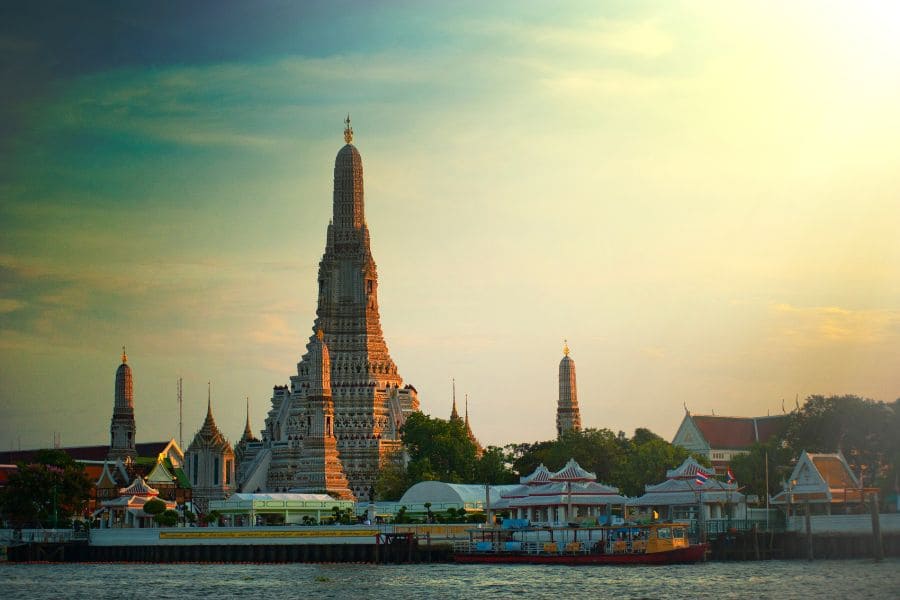
Laos and Cambodia’s Variable Economics
Laos and Cambodia offer costs comparable to Vietnam-often slightly lower due to lower development levels. However, tourism infrastructure is less developed, making budget travel potentially more challenging for first-time Southeast Asia travelers. Fewer English-speaking guides, less-developed transportation networks, and fewer accommodation options mean independent travel requires more planning and flexibility.
Regional Variations Within Countries
Country-level cost comparisons obscure significant within-country variations. Vietnam’s major cities (Hanoi, Ho Chi Minh City, Da Nang) cost more than smaller towns. Beach destinations command premium prices. Rural areas offer exceptional value. Understanding these variations enables budget optimization-spending more in priority destinations while traveling economically elsewhere.
Experience Quality Beyond Budget
Cost comparison, while important, shouldn’t overshadow experience quality-the actual reason for traveling.
Vietnam’s Cultural Authenticity
Vietnam’s lower development level creates paradoxical advantage: less commercialization of tourism means greater cultural authenticity. In many regions, tourism infrastructure remains minimal, enabling genuine interactions with communities less oriented toward visitor expectations. When evaluating affordable Southeast Asia tours comparison, Vietnam consistently offers superior cultural depth compared to more developed destinations. Street markets operate primarily for locals. Restaurants serve Vietnamese cuisine for Vietnamese clientele. Guesthouses are family operations rather than corporate entities.
This authenticity requires flexibility from travelers-fewer English speakers, basic facilities sometimes, unpredictable restaurant menus. However, the payoff is genuine cultural immersion unavailable in heavily touristed destinations. You’ll eat what locals eat, travel on vehicles carrying locals, and interact with people conducting normal daily activities rather than performing tourism roles.
Thailand’s Infrastructure Maturity
Thailand’s greater development creates tourism infrastructure superiority. Guides speak excellent English. Hotels maintain high standards. Restaurants accommodate diverse palates. Transportation functions smoothly. These conveniences enable comfortable travel requiring minimal stress or adaptation.
The tradeoff involves experiencing tourism that’s been optimized, packaged, and commercialized. Many tourist experiences feel choreographed. Cultural elements are sometimes presented as performances rather than authentic practice. Popular sites can feel crowded with fellow tourists rather than genuine cultural centers.
Thailand excellence at tourism infrastructure suits travelers prioritizing comfort, clarity, and convenience over cultural immersion. It’s ideal for families, travelers with mobility limitations, and those with limited time wanting maximum activity coverage.
Vietnam’s Adventure Potential
Vietnam’s infrastructure limitations translate into adventure potential. Travel involves genuine unpredictability-roads might be challenging, plans might shift, communication might be difficult. This unpredictability creates stories-moments where things don’t go as planned, you adapt creatively, and emerge with stronger memories and expanded capabilities.
Adventure travel appeals to independent-minded travelers comfortable with uncertainty, valuing growth through challenge, and seeking transformation rather than entertainment. Vietnam’s developing infrastructure provides this opportunity more readily than Thailand’s refined tourism sector.
Cultural Depth and Historical Context
Understanding regional history enriches travel experiences immeasurably.
Vietnam’s Complex History
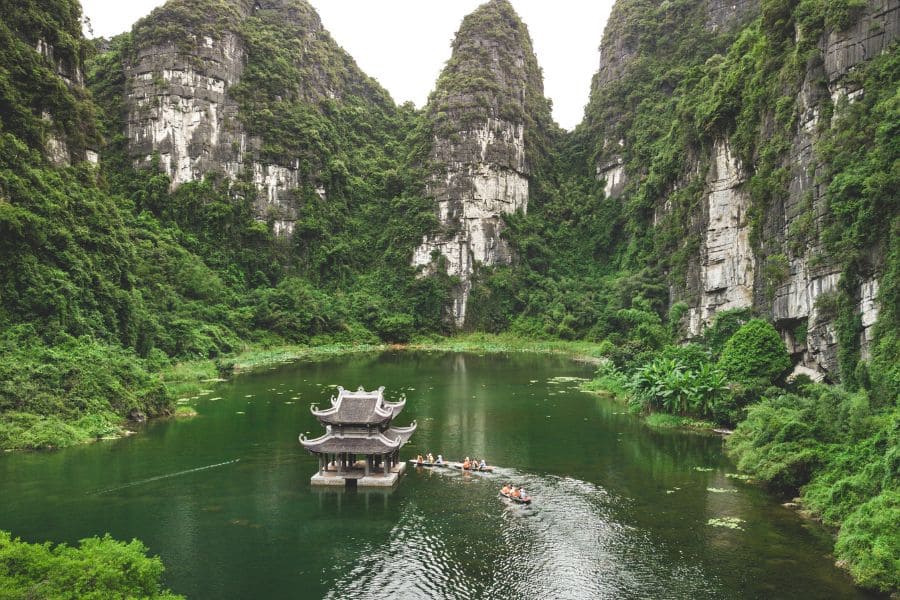
Vietnam’s history involves repeated foreign invasions, colonial occupation, devastating war, and remarkable reconstruction. Understanding these experiences provides context for contemporary Vietnam-explaining rapid development choices, government systems, and cultural characteristics.
Traveling through Vietnam with historical awareness transforms sightseeing into education. You’ll visit war remnants (Cu Chi Tunnels, DMZ), colonial architecture (Hanoi’s French Quarter), and temples reflecting spiritual traditions. You’ll encounter people who experienced war directly, shaping national character. Understanding this history enables deeper appreciation for Vietnamese resilience and contemporary society.
Thailand’s Unique Independence
Thailand alone among Southeast Asian nations avoided colonization-maintaining independence while neighbors experienced occupation. This distinction shaped Thai culture, government systems, and national identity distinctly. Thai Buddhism, Thai monarchy, and Thai governance reflect centuries of autonomous development.
However, Thailand’s avoided war experiences contrast sharply with Vietnam, Cambodia, and Laos’s twentieth-century conflicts. Understanding Thailand requires appreciating how non-colonial experience shaped development differently-creating distinct society compared to former colonies.
Cambodia’s Post-Genocide Landscape
Cambodia’s twentieth-century genocide created trauma reshaping society fundamentally. Visiting Cambodia requires confronting this history through museums, survivor accounts, and physical reminders. The Khmer Rouge killed roughly 1.7 million people-approximately 25% of Cambodia’s population. Contemporary Cambodia reflects this trauma in ways affecting entire society.
Understanding Cambodia requires emotional engagement with difficult history. This isn’t tourism entertainment-it’s historical reckoning. Visitors leaving Cambodia transformed by understanding should anticipate emotional weight alongside cultural appreciation.
Choosing Based on Travel Style and Interests
Different travelers have different priorities. Matching destinations to preferences creates satisfying experiences.
For Budget-Conscious, Independent Travelers
Vietnam excels. Low costs enable extended travel, minimal financial stress, and numerous budget options. Infrastructure challenges that might frustrate others enable adventure-seeking independent travelers to feel capable and resourceful. Cultural authenticity appeals to travelers seeking genuine experiences.
For Comfort-Prioritizing Families
Thailand’s developed tourism infrastructure suits families with children, elderly relatives, or travelers with mobility limitations. Superior guides, predictable services, good medical facilities, and extensive English-language support reduce stress. Thailand’s smaller size and relative safety appeal to family travelers.
For Cultural Immersion Seekers
Vietnam and Laos offer deeper cultural immersion than Thailand’s tourism-optimized experience. Fewer English speakers, less commercialization, and greater cultural authenticity appeal to travelers prioritizing cultural understanding over comfort. The challenge of communication and navigation becomes advantage rather than problem.
For History Enthusiasts
Vietnam and Cambodia offer rich historical sites, but context matters. Vietnam’s history involves multiple civilizations, colonial period, and modern reconstruction. Cambodia’s history centers on Khmer classical civilization and twentieth-century trauma. Historians and serious students should spend time in primary sources and museums, not merely sightseeing.
Sustainability Considerations Across Regions
Tourism impacts vary regionally. Informed choices enable minimizing harm while supporting communities.
Vietnam’s Development Pressures
Vietnam’s rapid development creates environmental and cultural challenges. Tourism development sometimes proceeds without adequate environmental protections. Communities experience rapid change pressuring traditional practices. However, Vietnam’s lower tourism intensity compared to Thailand means impacts remain more localized, and communities retain more autonomy over tourism engagement.
Responsible travelers in Vietnam can support sustainable practices by choosing locally-operated businesses, minimizing environmental impact, and respecting cultural boundaries.
Thailand’s Established Tourism Economy
Thailand’s mature tourism economy includes established sustainable practices and environmental protections, but also more commercialized cultural exploitation. Some communities have become entirely tourism-dependent, creating vulnerability and cultural commodification. Mass tourism at famous sites creates environmental stress-coral damage at popular islands, trail degradation at trekking areas.
Responsible travelers in Thailand can choose less-visited sites, support conservation efforts, and seek ethical tourism operators.
Cambodia and Laos’s Emerging Tourism
These nations face similar pressures Vietnam experienced earlier. Rapid tourism growth threatens to overwhelm limited infrastructure. Communities have limited experience managing tourism impacts. Supporting responsible operators becomes crucial for preventing negative trajectory.
Making Your Decision: A Practical Framework
An affordable Southeast Asia tours comparison requires understanding your priorities. Different destinations suit different travelers perfectly.
Choose Vietnam if you:
- Have limited budget and want to maximize affordable Southeast Asia tours value
- Value cultural authenticity
- Enjoy adventure and unpredictability
- Have interest in modern war history
- Want to support developing economy directly
- Prefer independent exploration
Choose Thailand if you:
- Prioritize comfort and convenience
- Travel with family or mobility limitations
- Have limited time wanting maximum activities
- Prefer predictable, reliable experiences
- Want excellent infrastructure and services
- Appreciate avoided-colonization history
Choose Cambodia if you:
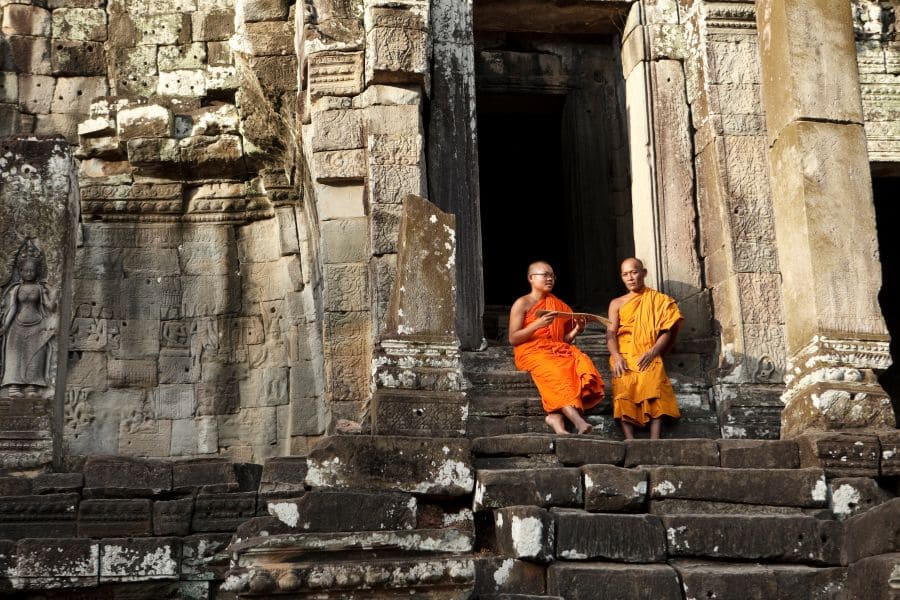
- Are interested in classical civilization (Angkor)
- Want to understand post-conflict recovery
- Are emotionally prepared for genocide history
- Value relatively undeveloped tourism
- Want unique regional experience
Choose Laos if you:
- Seek Buddhism-centered spiritual experience
- Want minimal tourist crowds
- Value extremely low costs
- Appreciate slower pace
- Are flexible with basic infrastructure
Conclusion: There’s No Single “Best” Choice
When conducting an affordable Southeast Asia tours comparison, the key insight is that no destination is universally “best”-only best for specific travelers with specific priorities. Vietnam offers unmatched budget value and cultural authenticity but requires flexibility with infrastructure. Thailand provides superior comfort and convenience but at higher cost and less cultural immersion.
Making an affordable Southeast Asia tours comparison that matches your priorities enables finding the perfect destination. Most travelers discover that Southeast Asia’s true value involves visiting multiple countries, experiencing regional diversity, and appreciating how geography, history, and development create distinct societies within interconnected region.
Professional guides familiar with all options can help match destinations to traveler preferences, optimize budgets through affordable Southeast Asia tours, and ensure experiences align with expectations. The region’s abundance enables finding exactly the experience you’re seeking-you simply need clarity about what you’re actually seeking.
Southeast Asia awaits. Whether you choose Vietnam’s authentic challenge, Thailand’s comfortable excellence, or regional combinations, you’ll discover why millions of international travelers return repeatedly. The real choice isn’t between countries-it’s whether you’ll undertake the journey at all.
0 Comment